• Check Engine Light is on
• Poor fuel economy
• Engine overheating
• Faulty Engine Coolant Temperature Sensor 5
• Wiring issues such as a short to voltage
• Faulty ECM
ECM: Engine Control Module
OBD-II: On-Board Diagnostics II
• P0117
• P0118
The car's computer thinks one of the sensors that checks how hot the engine is, is getting a signal that's too high. It's like a thermometer that's reading too hot.
The Engine Control Module (ECM) has detected a high voltage signal from the Engine Coolant Temperature Sensor 5.
The P2B2E code indicates that the ECM has received a signal from the Engine Coolant Temperature Sensor 5 that is higher than the expected range. This could mean the sensor is faulty or there is an issue with the circuit.
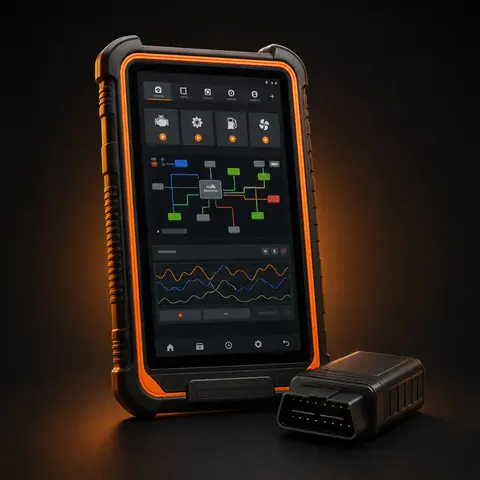
• Use an OBD-II scanner to confirm the code.
• Inspect the wiring and connectors for damage.
• Test the Engine Coolant Temperature Sensor 5 for proper operation.
• Replace the Engine Coolant Temperature Sensor 5 if faulty.
• Repair or replace damaged wiring or connectors.
• Reprogram or replace the ECM if necessary.
• OBD-II Scanner
• Multimeter
• Basic hand tools
$100 - $300
Moderate
• Vehicle 1
• Vehicle 2
• Vehicle 3
• Regular maintenance checks
• Ensure proper coolant levels
• Inspect wiring regularly
Sensor Issue
• Do not ignore the Check Engine Light.
• Regularly check coolant levels.
• Seek professional help if unsure.
Check with your vehicle manufacturer for warranty coverage on emission-related components.
This code is less common and often related to specific vehicle models with multiple temperature sensors.
Moderate – Addressing this issue can prevent engine overheating.
Driving with a faulty sensor can lead to engine damage and is not recommended.
• Engine at operating temperature
• Stable idle conditions
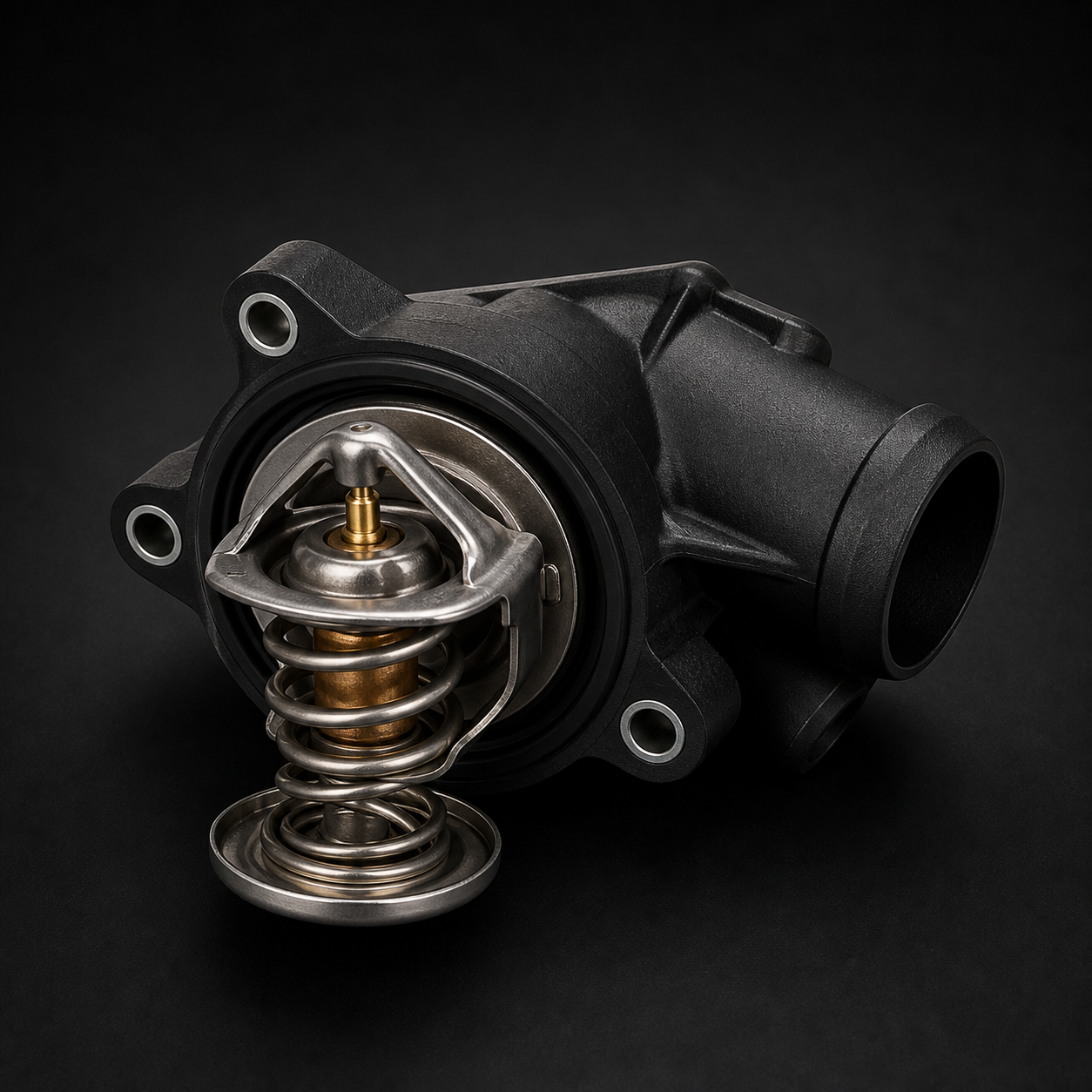
Typically located near the thermostat housing or on the engine block.
Q: Can I drive with a P2B2E code?
A: It's not recommended as it can lead to engine overheating.
Q: How do I reset the Check Engine Light?
A: Use an OBD-II scanner to clear the codes after repairs.