
Pro · Four-system diagnostics
FOXWELL Multi-System Scanner
A handheld scanner aimed at engine, transmission, ABS, and airbag diagnostic work.
Chassis and ABS faults usually need a scanner that can read brake-system data directly.
View on Amazon
Easy one-page printout for the garage or repair shop
This summary uses the existing diagnostic information shown in full below.
The car's vacuum tank, which helps with things like brakes and engine controls, doesn't have enough pressure. It's like a balloon that's not blown up enough.
The vacuum reservoir is a component that stores vacuum pressure for various systems in the vehicle. When the pressure is too low, it can affect the performance of these systems.
The P15C0 code indicates that the vacuum reservoir, which stores vacuum pressure for systems such as the brake booster or turbocharger wastegate, is not maintaining the required pressure level. This can be due to leaks, faulty valves, or a failing vacuum pump.
• Reduced braking efficiency
• Poor engine performance
• Check engine light on
• Vacuum leak in the reservoir or lines
• Faulty vacuum pump
• Defective check valve
Vacuum Reservoir: A component that stores vacuum pressure for various vehicle systems.
Check Valve: A valve that allows fluid or air to flow in one direction only.
• Inspect vacuum lines for leaks or damage
• Test the vacuum pump for proper operation
• Check the vacuum reservoir and valves for leaks
• Replace damaged vacuum lines
• Repair or replace the vacuum pump
• Replace faulty check valves
• Vacuum gauge
• Smoke machine for leak detection
• Basic hand tools
$100 - $500
Moderate
• Vehicle 1
• Vehicle 2
• Vehicle 3
• Regularly inspect vacuum lines for wear
• Maintain vacuum pump as per service schedule
• Ensure proper installation of vacuum components
Engine Performance
• Have your vehicle inspected by a professional if you notice braking issues.
• Do not ignore the check engine light; it could lead to more severe problems.
Check with your vehicle manufacturer for warranty coverage on emissions-related components.
This code has been more prevalent in vehicles with complex vacuum systems, especially those with turbocharged engines.
Moderate – Should be addressed soon to prevent further issues.
Ignoring this code could lead to reduced braking performance, which is a safety concern.
• Engine running
• Vehicle at operating temperature
The vacuum reservoir is typically located near the engine or firewall.
Q: Can I drive with a P15C0 code?
A: It's not recommended to drive for long periods with this code, as it can affect braking performance.
Q: How do I know if my vacuum reservoir is leaking?
A: You may hear a hissing sound, or you can use a smoke machine to detect leaks.
Pro · Four-system diagnostics
A handheld scanner aimed at engine, transmission, ABS, and airbag diagnostic work.
Chassis and ABS faults usually need a scanner that can read brake-system data directly.
View on Amazon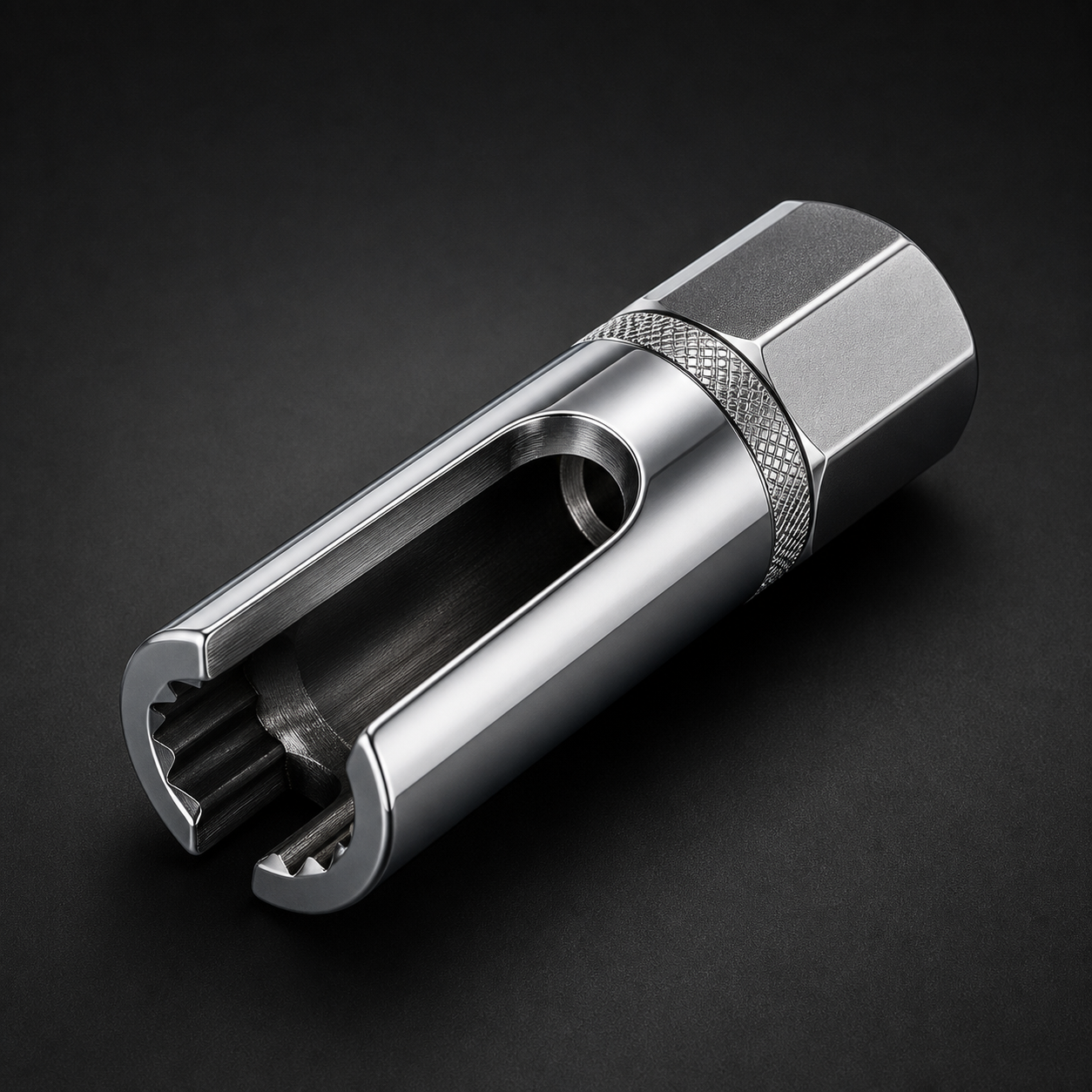
Universal · Torque wrench
Useful when reassembly torque matters for wheel, suspension, and under-hood fasteners.
Useful when wheel, hub, or suspension hardware needs correct reassembly torque.
View on Amazon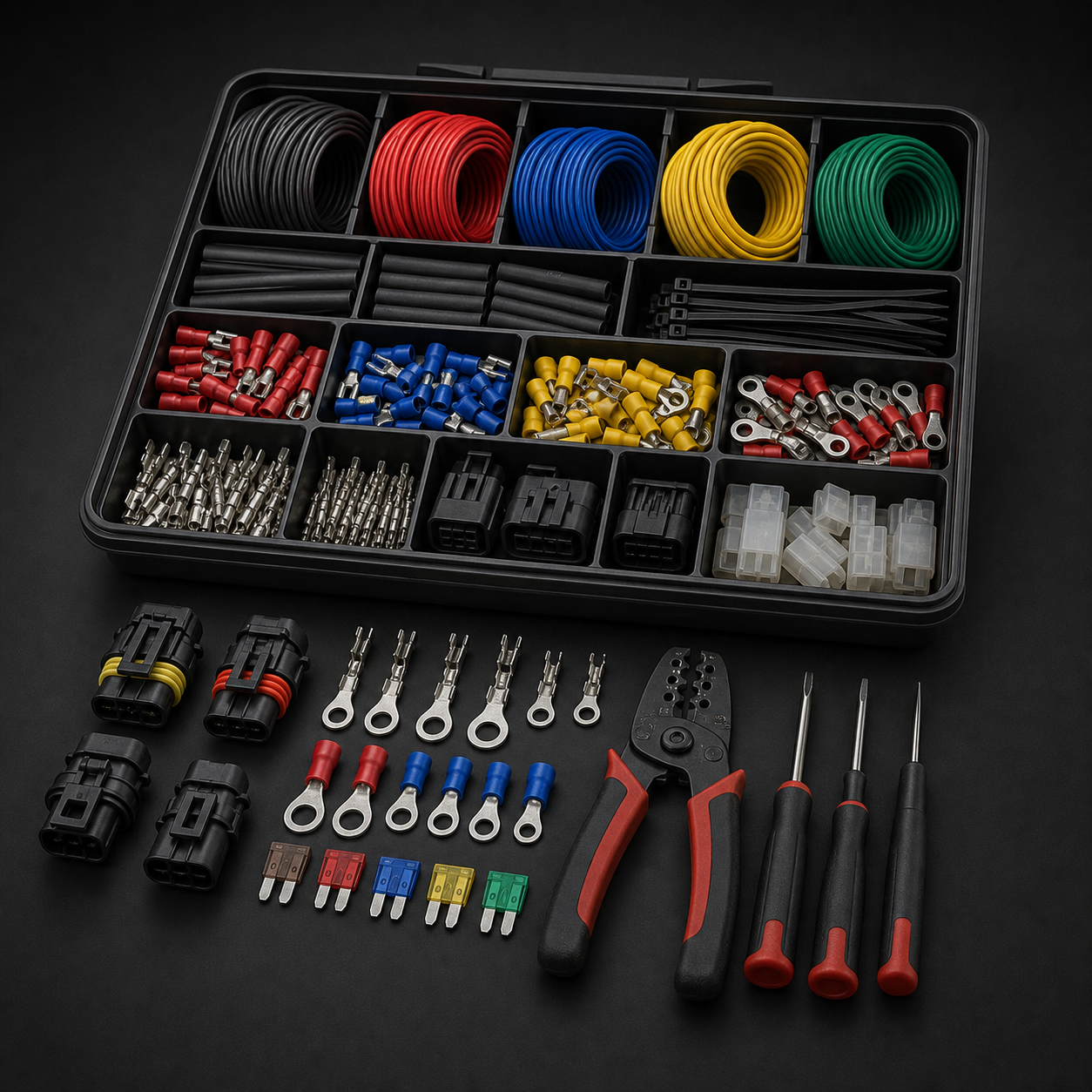
Universal · Drive-on ramps
Helpful for safer access underneath the vehicle during exhaust, EVAP, and underbody inspection work.
Helpful for safer access during underbody inspection work.
View on AmazonThese are optional diagnostic tools, not guaranteed fixes. As an Amazon Associate I earn from qualifying purchases.