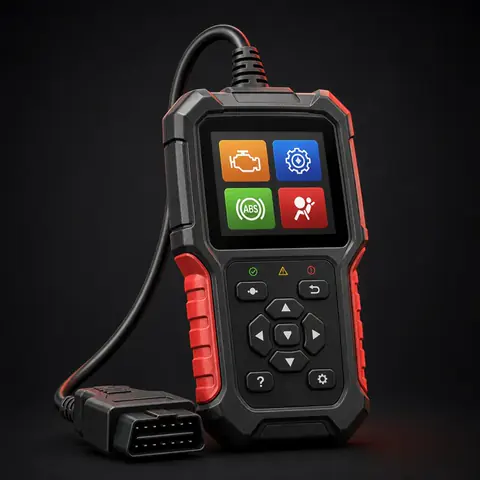
Pro · Four-system diagnostics
FOXWELL Multi-System Scanner
A handheld scanner aimed at engine, transmission, ABS, and airbag diagnostic work.
Chassis and ABS faults usually need a scanner that can read brake-system data directly.
View on Amazon
Easy one-page printout for the garage or repair shop
This summary uses the existing diagnostic information shown in full below.
This code means that the car's computer thinks there's a problem with the pressure in a special tank that helps control how the car runs. It's like if a balloon doesn't have enough air, and the computer is confused about why.
The P15C2 code indicates that the engine control module (ECM) has detected an implausible pressure reading from the vacuum reservoir, which is used to store vacuum for various systems in the vehicle.
The vacuum reservoir is a component that stores vacuum pressure for use by various systems such as the brake booster, HVAC controls, and turbocharger wastegate actuators. An implausible pressure reading means that the sensor or the system is reporting a pressure that doesn't make sense given the current operating conditions, possibly due to a leak, sensor fault, or control issue.
• Check Engine Light illuminated
• Poor engine performance
• Inconsistent brake performance
• Vacuum leak in the reservoir or associated hoses
• Faulty vacuum pressure sensor
• Wiring issues or poor electrical connections
Vacuum Reservoir: A component that stores vacuum pressure for use by various systems in the vehicle.
ECM: Engine Control Module, the computer that manages engine performance.
• Check for any vacuum leaks in the reservoir and hoses.
• Test the vacuum pressure sensor for proper operation.
• Inspect the wiring and connectors for damage or corrosion.
• Repair or replace any leaking vacuum hoses or reservoir.
• Replace the faulty vacuum pressure sensor.
• Repair or replace damaged wiring or connectors.
• Vacuum gauge
• Multimeter
• OBD-II scanner
$100 - $300
Moderate
• Volkswagen Jetta
• Audi A4
• Porsche Cayenne
• Regularly inspect vacuum hoses for wear and tear.
• Ensure all electrical connections are secure and corrosion-free.
• Perform routine maintenance checks as per the vehicle's manual.
Sensor Issue
• Do not ignore the Check Engine Light.
• Have a professional diagnose the issue to prevent further damage.
Check with your vehicle manufacturer for specific warranty coverage related to emissions and sensors.
This code has been more prevalent in vehicles with advanced vacuum systems used for turbocharging and emissions control.
Moderate – Addressing this issue promptly can prevent further engine performance problems.
Driving with a malfunctioning vacuum system can affect braking performance and emissions compliance.
• Engine running at idle
• Vehicle at operating temperature
The vacuum reservoir is typically located in the engine bay, near the intake manifold or brake booster.
Q: Can I drive with a P15C2 code?
A: It's not recommended to drive for extended periods with this code, as it can affect engine performance and braking.
Q: How can I reset the P15C2 code?
A: After fixing the issue, you can use an OBD-II scanner to clear the code. However, if the problem persists, the code will return.
Pro · Four-system diagnostics
A handheld scanner aimed at engine, transmission, ABS, and airbag diagnostic work.
Chassis and ABS faults usually need a scanner that can read brake-system data directly.
View on Amazon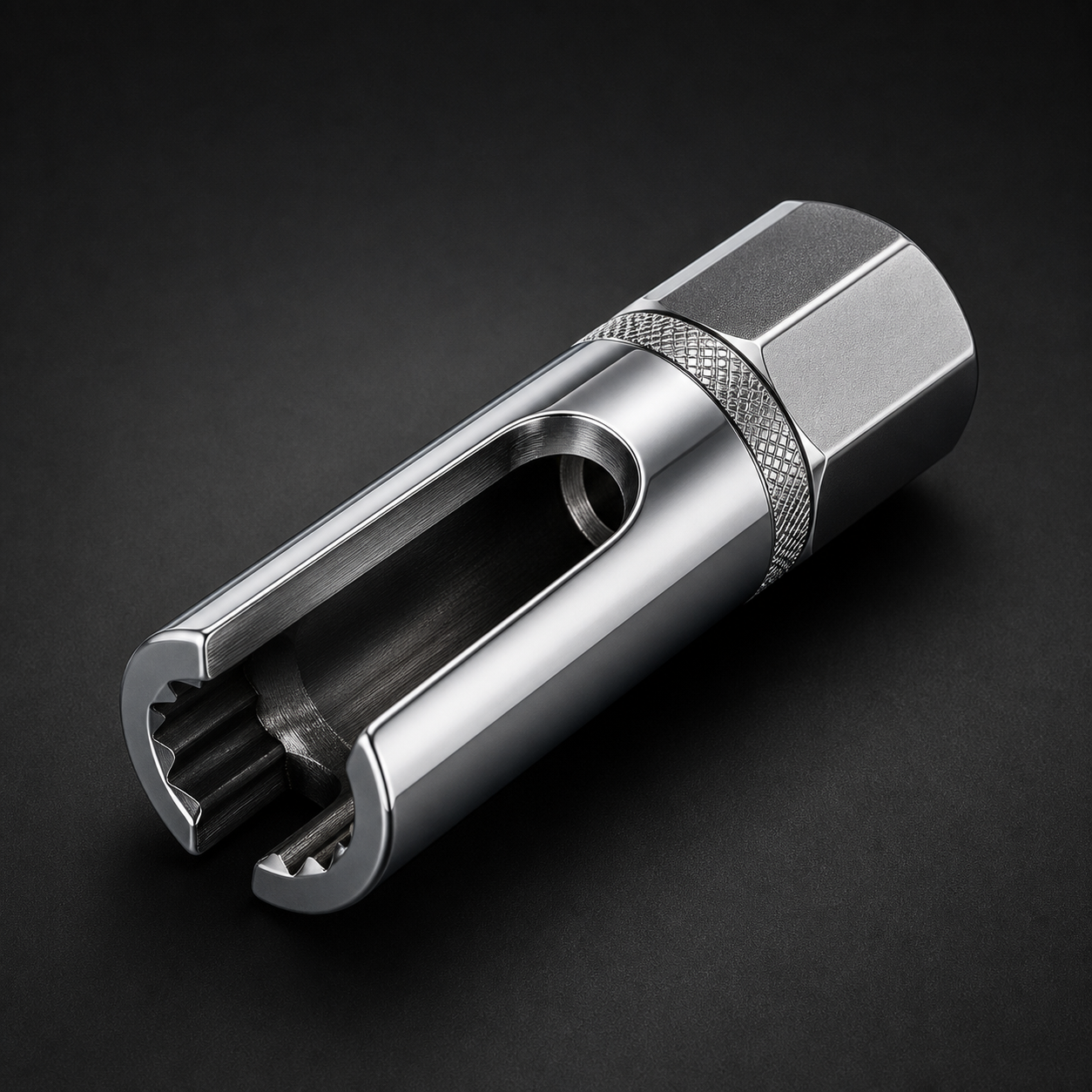
Universal · Torque wrench
Useful when reassembly torque matters for wheel, suspension, and under-hood fasteners.
Useful when wheel, hub, or suspension hardware needs correct reassembly torque.
View on Amazon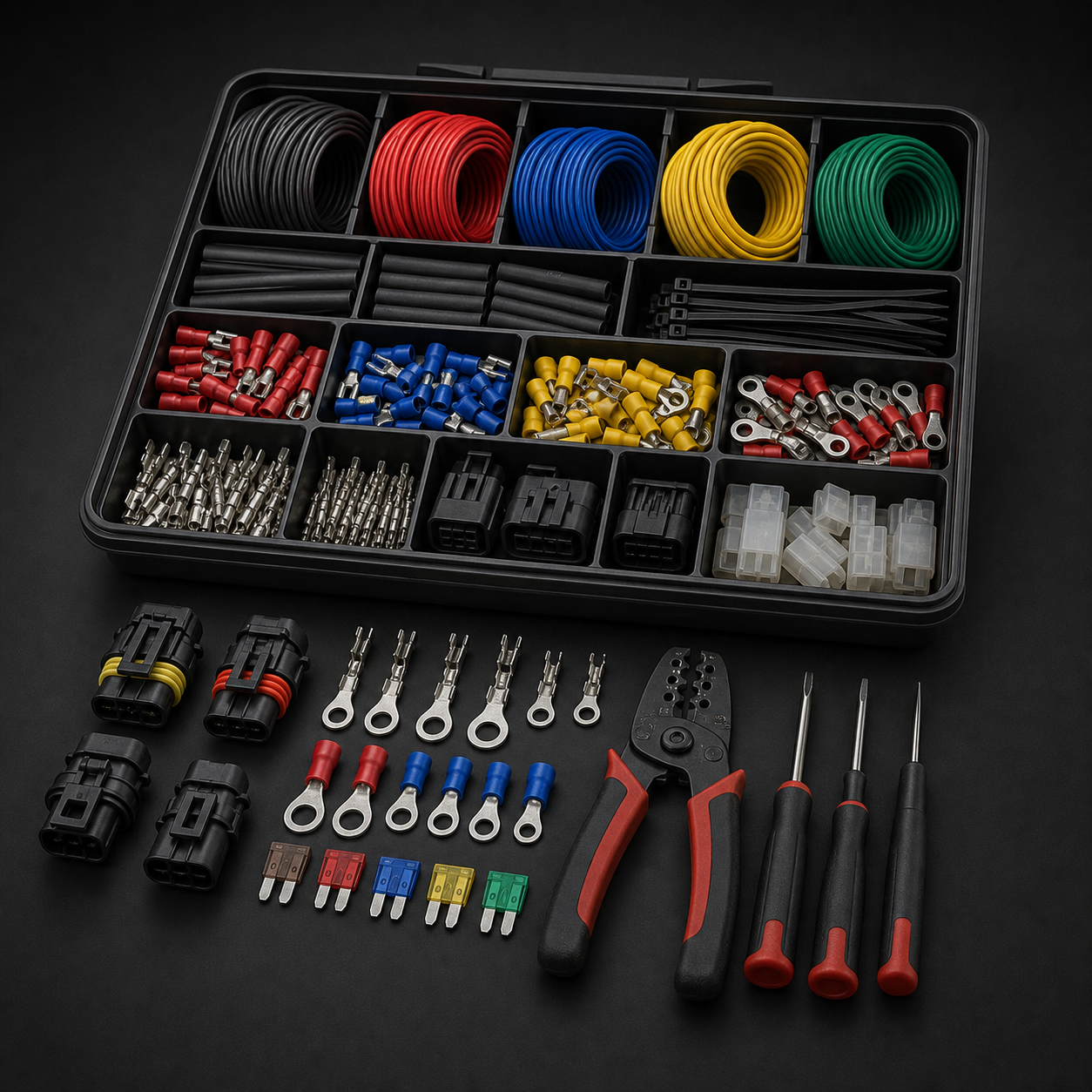
Universal · Drive-on ramps
Helpful for safer access underneath the vehicle during exhaust, EVAP, and underbody inspection work.
Helpful for safer access during underbody inspection work.
View on AmazonThese are optional diagnostic tools, not guaranteed fixes. As an Amazon Associate I earn from qualifying purchases.