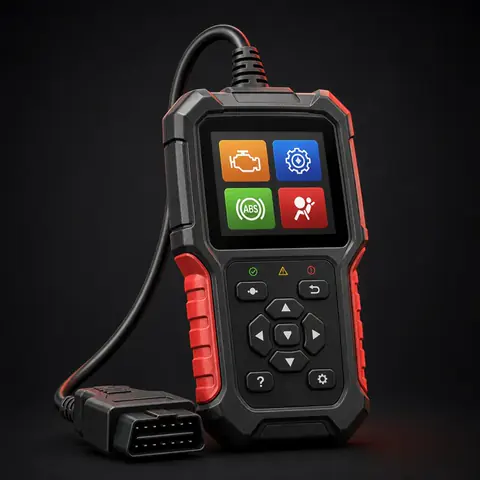
Pro · Four-system diagnostics
FOXWELL Multi-System Scanner
A handheld scanner aimed at engine, transmission, ABS, and airbag diagnostic work.
Chassis and ABS faults usually need a scanner that can read brake-system data directly.
View on Amazon
Easy one-page printout for the garage or repair shop
This summary uses the existing diagnostic information shown in full below.
This code means that the car's system that checks if the tires have enough air is not working right. It's like if your bicycle's tire pump gauge was broken and you couldn't tell if your tires were full or flat.
The C0083 code indicates a problem with the Tire Pressure Monitoring System (TPMS), which is responsible for monitoring the air pressure in the vehicle's tires.
The TPMS uses sensors located in each tire to monitor air pressure. If the system detects a malfunction in one or more of these sensors or in the communication between the sensors and the vehicle's computer, it triggers the C0083 code.
• TPMS warning light on the dashboard
• Inaccurate tire pressure readings
• No tire pressure data available
• Faulty TPMS sensor
• Damaged TPMS antenna
• Interference with TPMS signal
TPMS: Tire Pressure Monitoring System
OBD-II: On-Board Diagnostics II
• Check the tire pressure in all tires and ensure they are inflated to the recommended levels.
• Inspect the TPMS sensors for damage or corrosion.
• Use a diagnostic tool to read TPMS sensor data and check for communication errors.
• Replace faulty TPMS sensors.
• Repair or replace damaged TPMS antenna.
• Reprogram or reset the TPMS system.
• Tire pressure gauge
• OBD-II scanner
• TPMS reset tool
$75 - $300
Moderate
• Toyota Camry
• Honda Accord
• Ford F-150
• Regularly check tire pressure.
• Avoid driving with under-inflated tires.
• Inspect TPMS sensors during tire rotations.
Sensor Issue
• Check tire pressure regularly using a manual gauge.
• Visit a professional mechanic if the TPMS warning light stays on.
TPMS sensors may be covered under the vehicle's warranty if they fail within the warranty period.
The TPMS system has been mandated in many countries to improve vehicle safety by ensuring proper tire inflation.
Moderate – While not immediately dangerous, incorrect tire pressure can lead to poor handling and increased tire wear.
Driving with improperly inflated tires can be unsafe and may violate vehicle safety regulations.
• Vehicle parked on a flat surface
• Tires cooled down to ambient temperature
TPMS sensors are located inside each tire, usually attached to the valve stem.
Q: Can I drive with the TPMS light on?
A: It's best to check your tire pressure and address any issues as soon as possible. Driving with under-inflated tires can be unsafe.
Q: How often should I check my tire pressure?
A: It's recommended to check your tire pressure at least once a month and before long trips.
Pro · Four-system diagnostics
A handheld scanner aimed at engine, transmission, ABS, and airbag diagnostic work.
Chassis and ABS faults usually need a scanner that can read brake-system data directly.
View on Amazon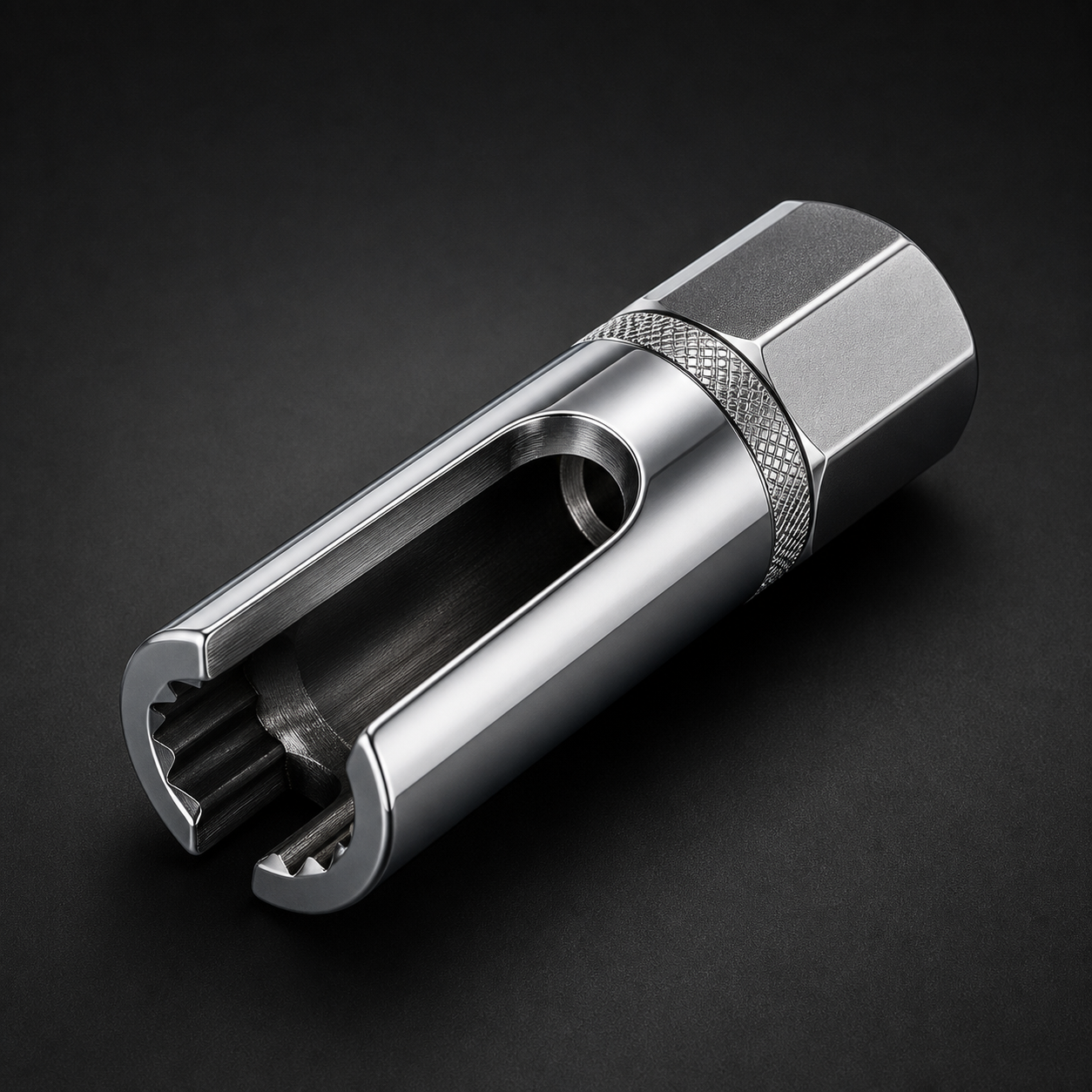
Universal · Torque wrench
Useful when reassembly torque matters for wheel, suspension, and under-hood fasteners.
Useful when wheel, hub, or suspension hardware needs correct reassembly torque.
View on Amazon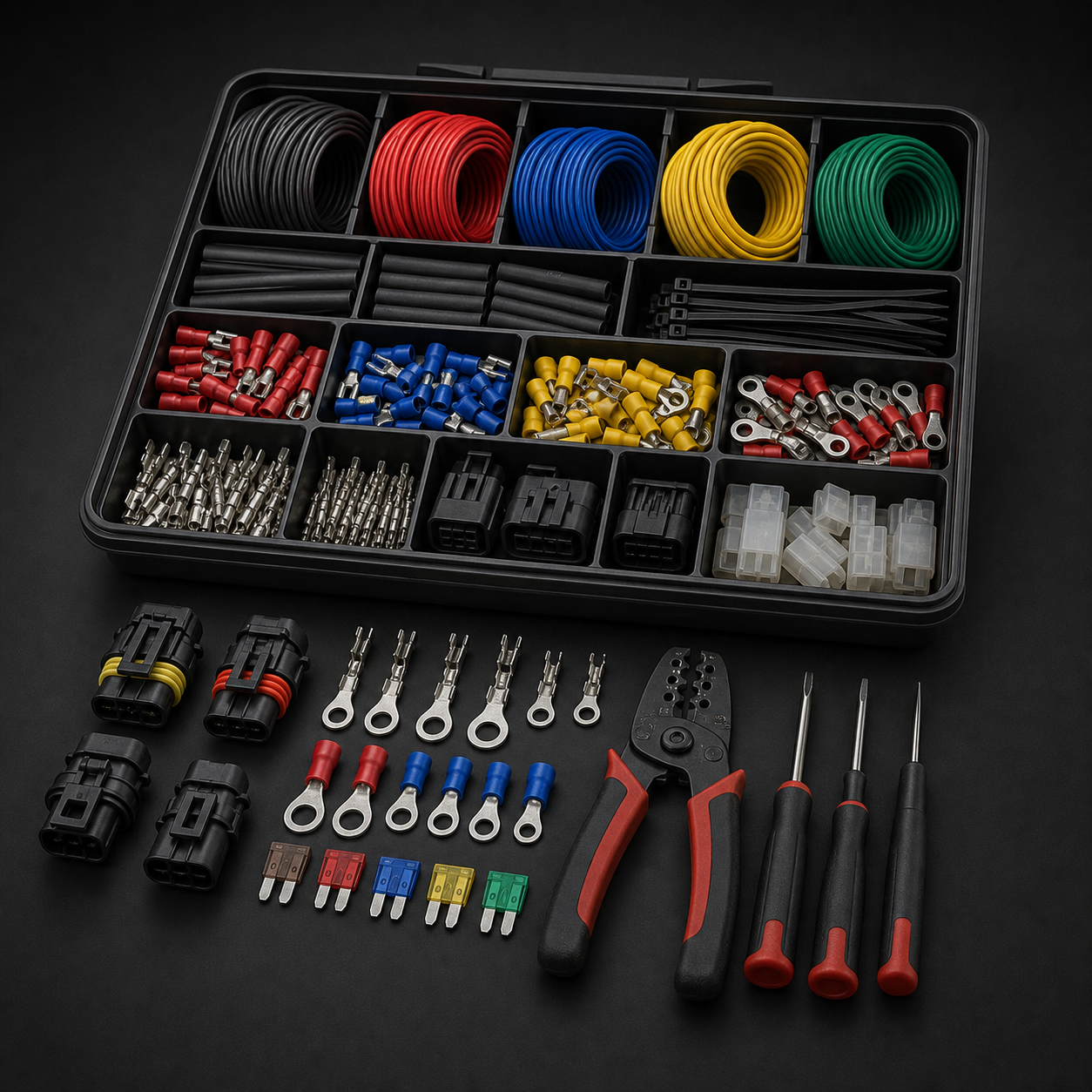
Universal · Drive-on ramps
Helpful for safer access underneath the vehicle during exhaust, EVAP, and underbody inspection work.
Helpful for safer access during underbody inspection work.
View on AmazonThese are optional diagnostic tools, not guaranteed fixes. As an Amazon Associate I earn from qualifying purchases.