Pro · Four-system diagnostics
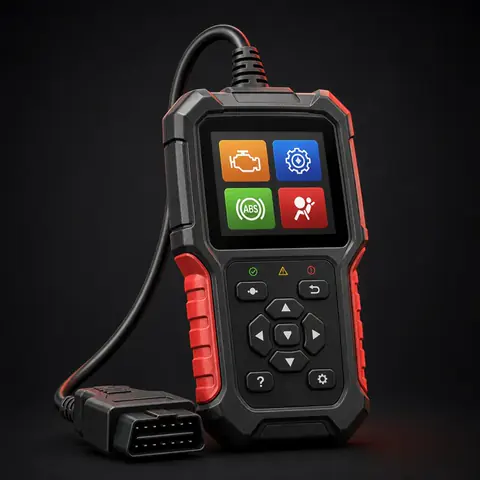
FOXWELL Multi-System Scanner
A handheld scanner aimed at engine, transmission, ABS, and airbag diagnostic work.
Chassis and ABS faults usually need a scanner that can read brake-system data directly.
View on Amazon
Easy one-page printout for the garage or repair shop
This summary uses the existing diagnostic information shown in full below.
One of your car's tires doesn't have enough air in it, which can make driving unsafe.
The vehicle's tire pressure monitoring system (TPMS) has detected that one or more tires have pressure below the recommended level.
The C0077 code is triggered when the Tire Pressure Monitoring System (TPMS) identifies that the air pressure in one or more tires is below the manufacturer's specified threshold. This could be due to a slow leak, a puncture, or simply not enough air being added to the tires.
• TPMS warning light on the dashboard
• Poor fuel economy
• Unstable vehicle handling
• Punctured tire
• Slow air leak
• Temperature changes causing pressure drop
TPMS: Tire Pressure Monitoring System
PSI: Pounds per Square Inch, a unit of pressure
• Check tire pressure on all tires
• Inspect tires for visible damage or punctures
• Use a TPMS tool to read sensor data
• Inflate tires to the recommended pressure
• Repair or replace damaged tires
• Reset the TPMS system
• Tire pressure gauge
• Air compressor
• TPMS reset tool
$10 - $50
Easy
• Toyota Camry
• Honda Accord
• Ford F-150
• Regularly check tire pressure
• Inspect tires for damage frequently
• Maintain proper tire inflation
Sensor Issue
• Check tire pressure monthly
• Be cautious of fluctuating temperatures affecting tire pressure
Tire-related issues may not be covered under standard vehicle warranty, but check with your manufacturer.
The introduction of TPMS became mandatory in many countries in the early 2000s to improve vehicle safety.
Moderate – Driving with low tire pressure can lead to tire damage and reduced safety.
Driving with low tire pressure can be dangerous and may violate vehicle safety regulations.
• Vehicle parked on a level surface
• Tires cool to the touch
The TPMS sensors are located inside each tire, typically attached to the valve stem.
Q: What should I do if my TPMS light comes on?
A: Check the tire pressure in all your tires and inflate them to the recommended level. If the light stays on, inspect for tire damage.
Q: Can I drive with the TPMS light on?
A: It's not recommended to drive long distances with the TPMS light on, as low tire pressure can be dangerous and cause tire damage.
Pro · Four-system diagnostics
A handheld scanner aimed at engine, transmission, ABS, and airbag diagnostic work.
Chassis and ABS faults usually need a scanner that can read brake-system data directly.
View on Amazon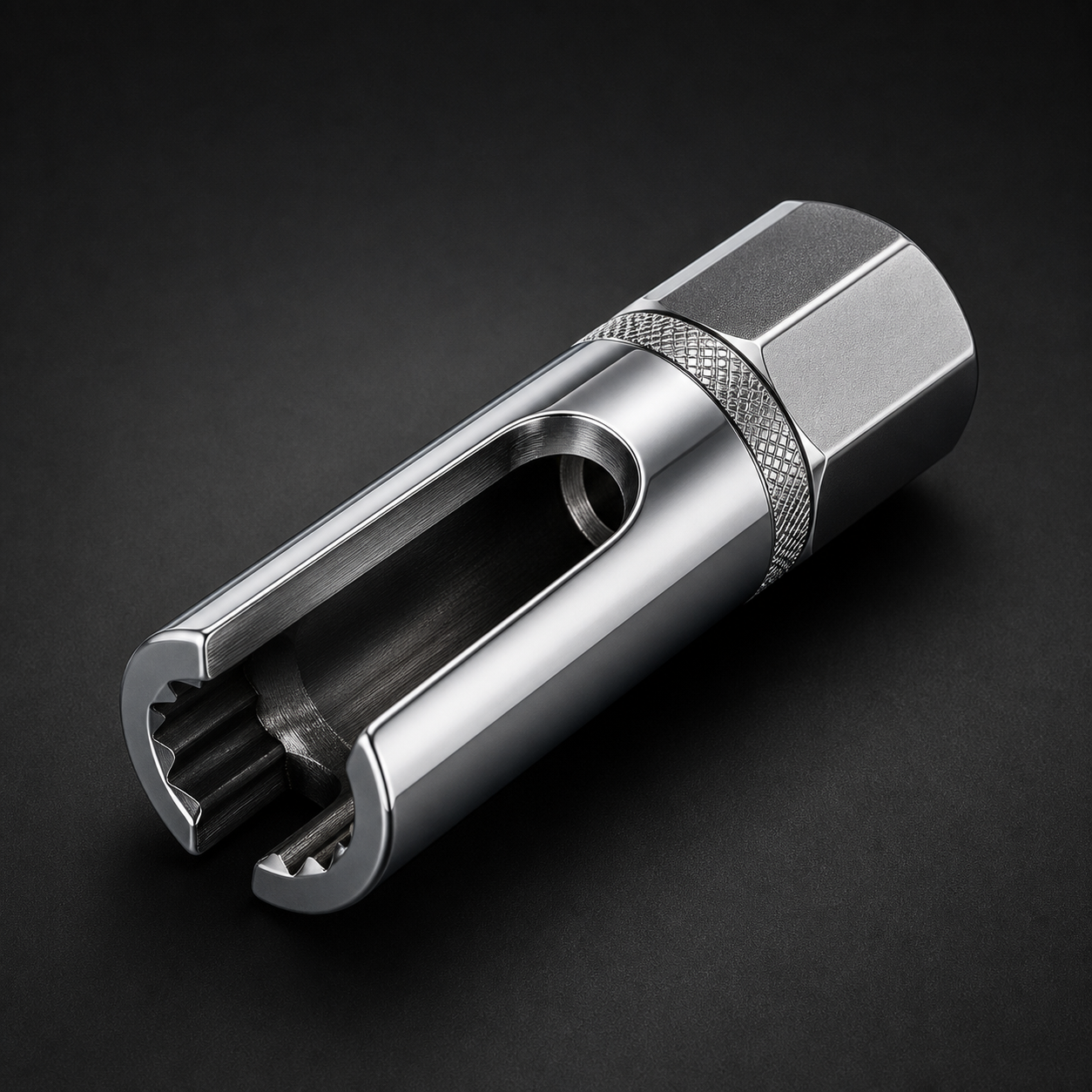
Universal · Torque wrench
Useful when reassembly torque matters for wheel, suspension, and under-hood fasteners.
Useful when wheel, hub, or suspension hardware needs correct reassembly torque.
View on Amazon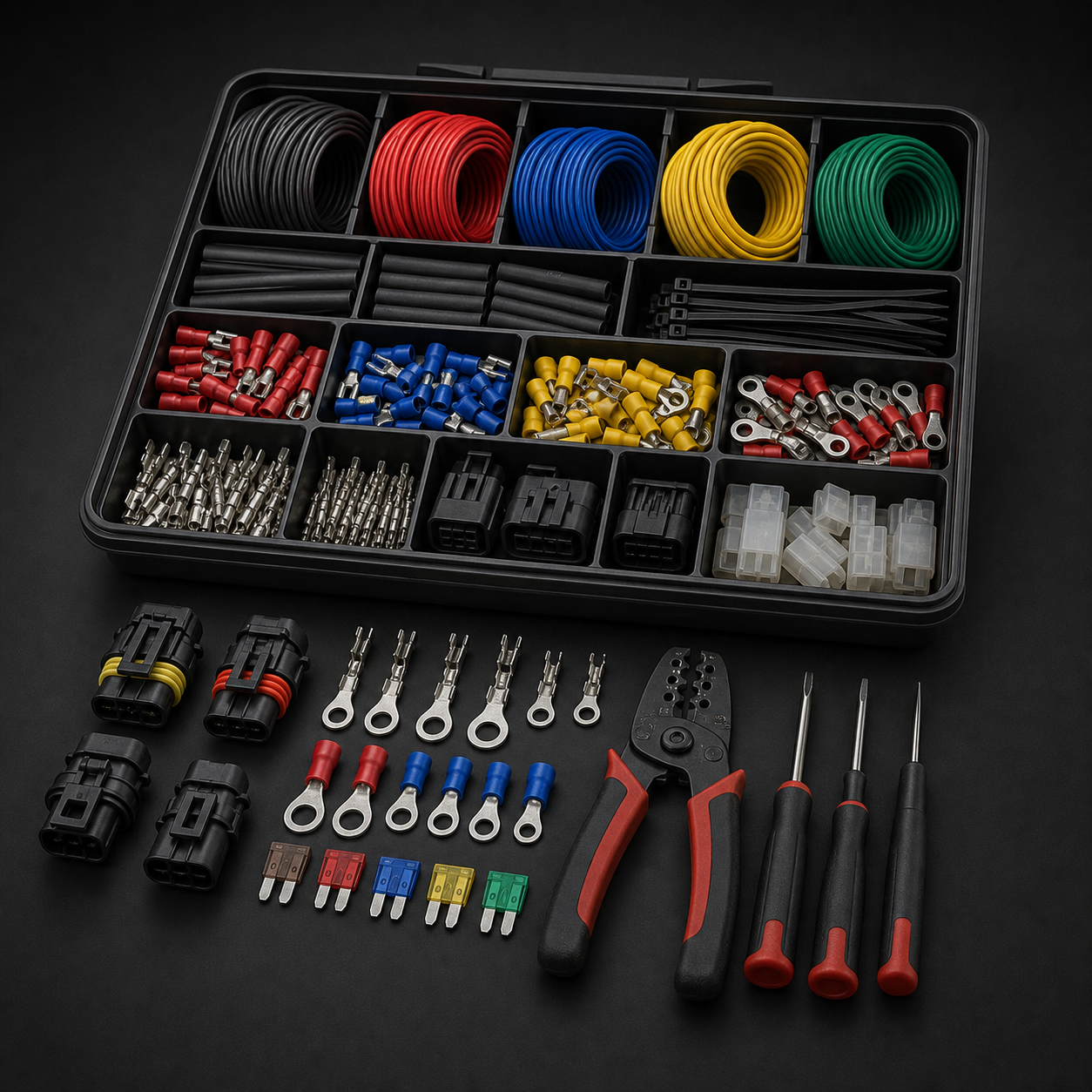
Universal · Drive-on ramps
Helpful for safer access underneath the vehicle during exhaust, EVAP, and underbody inspection work.
Helpful for safer access during underbody inspection work.
View on AmazonThese are optional diagnostic tools, not guaranteed fixes. As an Amazon Associate I earn from qualifying purchases.