• Engine overheating
• Coolant leaks
• Warning light on dashboard
• Blocked or clogged radiator
• Faulty thermostat
• Failing water pump
ECM: Engine Control Module, the computer that controls engine functions.
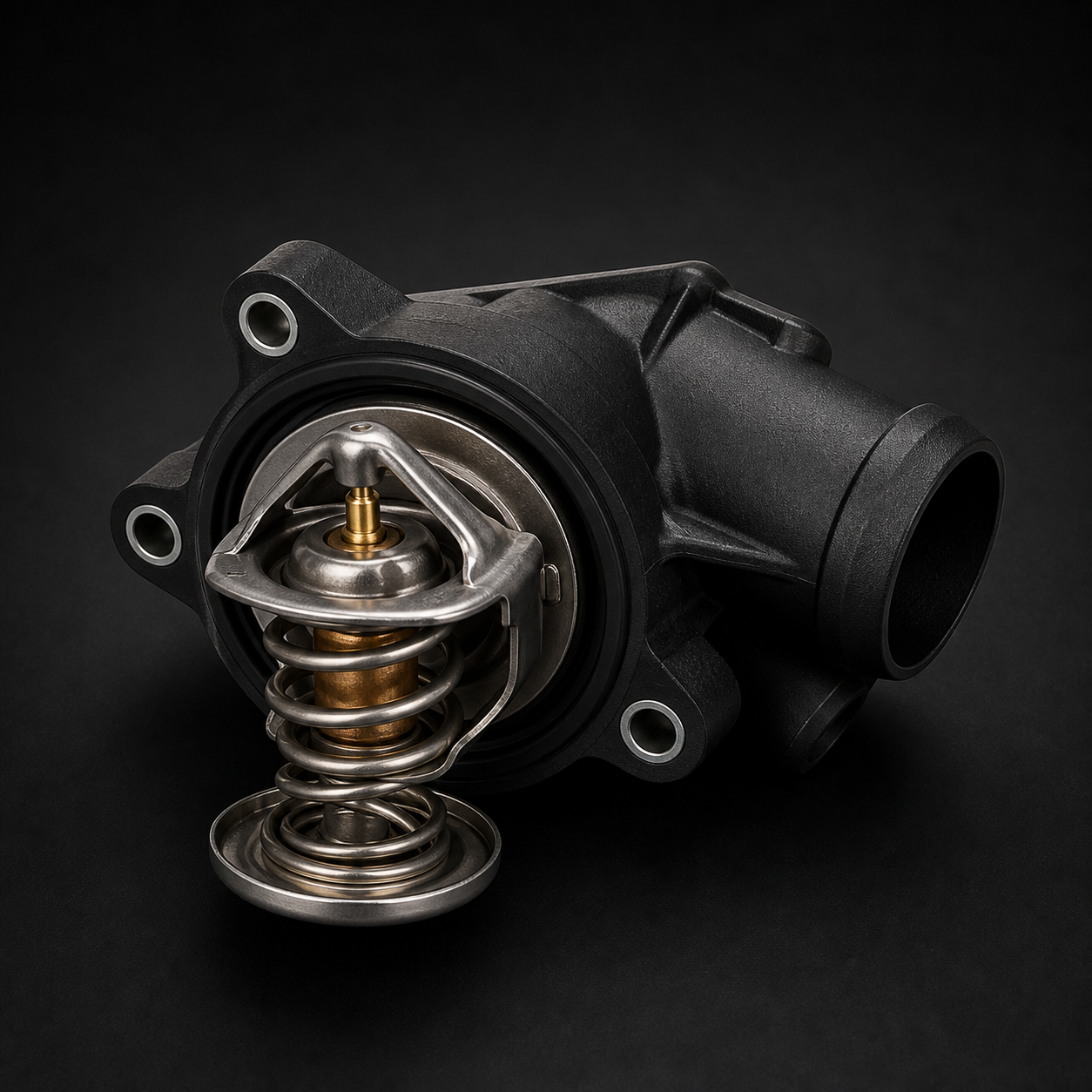
Thermostat: A component that regulates the engine's temperature by controlling coolant flow.
• P0128
• P2181
Radiator Coolant Temperature Gradient Too High
This code means that the car's computer has detected that the temperature difference between different parts of the radiator is too large. It's like when one side of a swimming pool is warm and the other side is cold, which isn't normal.
The vehicle's engine control module (ECM) monitors the temperature gradient across the radiator. If the difference in temperature between the inlet and outlet of the radiator exceeds a predefined threshold, this code is triggered.
P3197 indicates that the ECM has detected an abnormal temperature gradient across the radiator. This could be due to issues like a blocked radiator, a failing water pump, or a malfunctioning thermostat, which prevent the coolant from circulating properly and maintaining a consistent temperature.
• Check coolant levels and top up if necessary
• Inspect the radiator for blockages
• Test the thermostat for proper operation
• Flush and clean the radiator
• Replace the thermostat
• Repair or replace the water pump
• Radiator pressure tester
• Thermometer or infrared temperature gun
• Wrench set
$150 - $500
Moderate
• Toyota Camry
• Honda Accord
• Ford Focus
• Regularly check and maintain coolant levels
• Perform routine radiator flushes
• Inspect cooling system components periodically
Engine Performance
• Do not drive the vehicle if it is overheating
• Seek professional diagnosis promptly
Cooling system components may be covered under a powertrain or emissions warranty. Check with the manufacturer.
This code is less common but can occur in vehicles with neglected cooling system maintenance.
High – An overheating engine can cause severe damage if not addressed promptly.
Driving with an overheating engine can lead to engine failure and is unsafe. Address cooling system issues immediately.
• Engine at operating temperature
• Vehicle stationary with engine idling
The radiator is located at the front of the vehicle, behind the grille.
Q: Can I drive with a P3197 code?
A: It's not recommended to drive with this code active, as it may indicate an overheating engine.
Q: How often should I flush my radiator?
A: Typically, a radiator should be flushed every 30,000 to 60,000 miles, but check your vehicle's manual for specific recommendations.