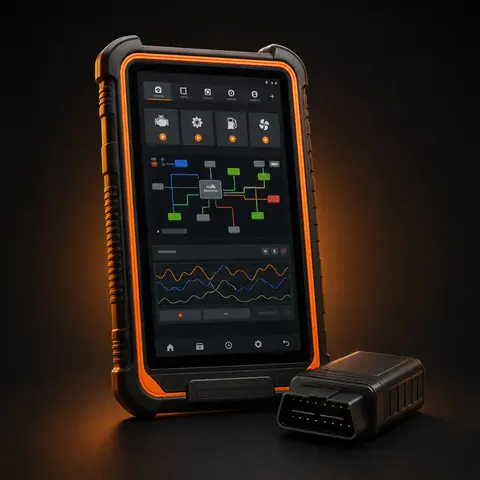
ezOBD2 - Free OBD2 Code Lookup and Check Engine Light Diagnostic Tool

Diagnose Your Check Engine Light

Enter OBDII code below:

Code P3026

Symptoms

• Check Engine Light is on

• Poor fuel economy

• Increased emissions

Common Causes

• Faulty oxygen sensor

• Wiring issues or poor electrical connections

• Exhaust leaks near the sensor

Glossary

ECM: Engine Control Module

OBD-II: On-Board Diagnostics, Second Generation

Related Codes

• P0130

• P0133

Laymans terms

The car's computer is saying that a part of the car that checks how clean the air coming out of the engine is, isn't getting hot enough to work properly.

Explanation

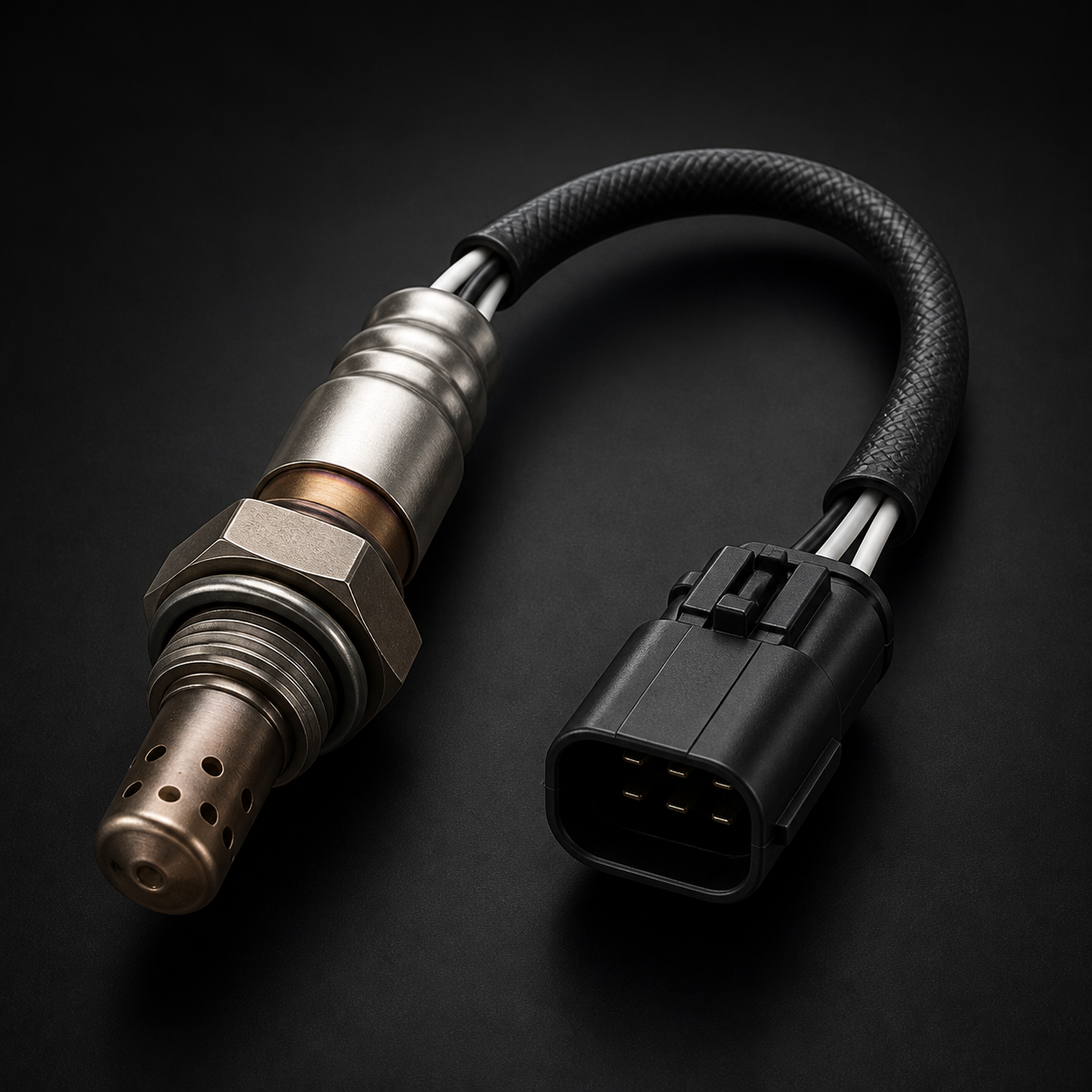
The oxygen sensor in the exhaust system needs to reach a certain temperature to function correctly and provide accurate readings to the engine control module (ECM). Code P3026 indicates that this sensor hasn't reached the required operating temperature.

Technical description

The P3026 code is triggered when the ECM detects that the oxygen sensor located in Bank 1, Sensor 1, has not reached its necessary operating temperature within a specified timeframe. This sensor is responsible for measuring the oxygen levels in the exhaust gases before the catalytic converter, and its performance is temperature-dependent.

Diagnosis steps

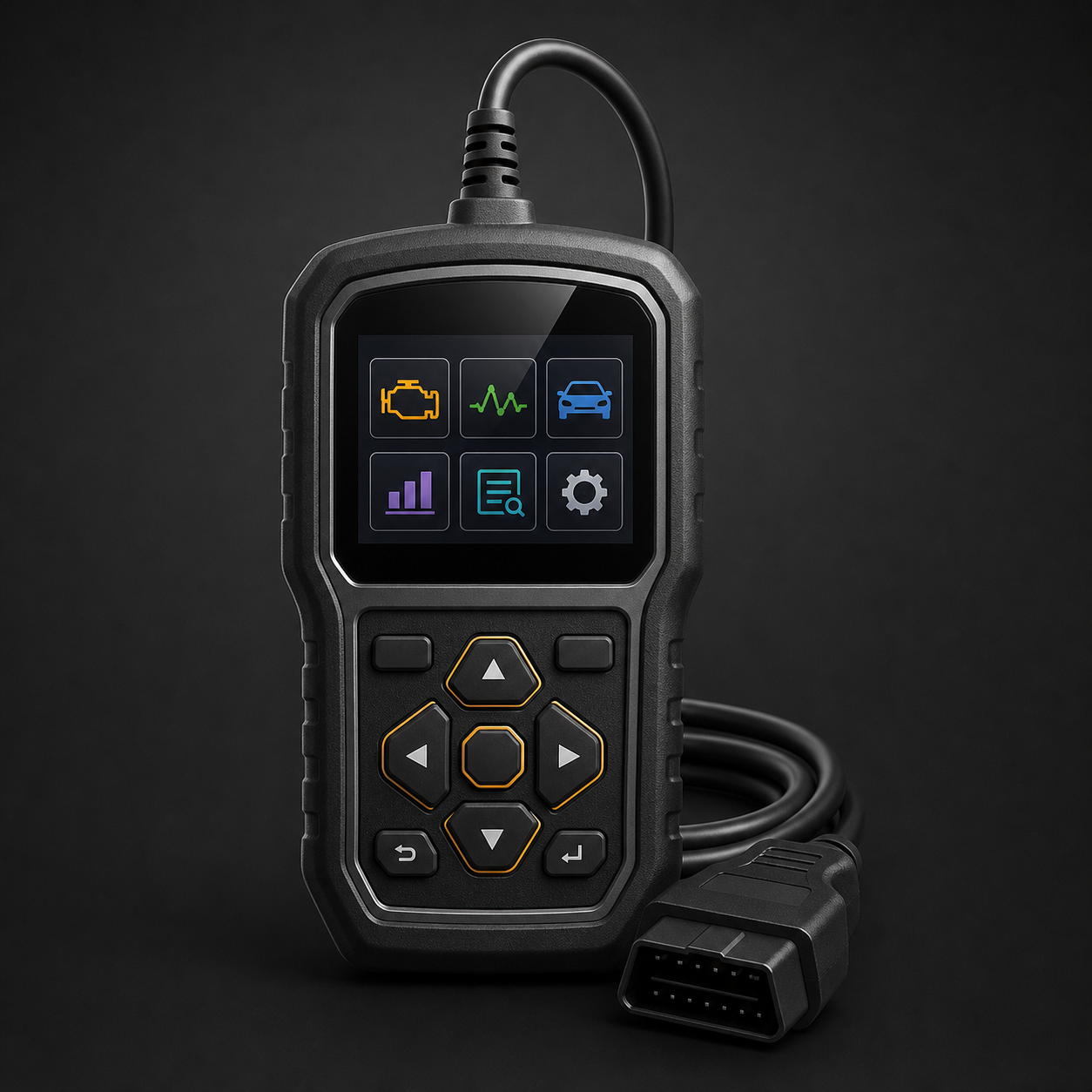
• Use an OBD-II scanner to confirm the code.

• Inspect the oxygen sensor and its wiring for damage.

• Check for exhaust leaks near the sensor.

Repair procedures

• Replace the faulty oxygen sensor.

• Repair or replace damaged wiring or connectors.

• Fix any exhaust leaks.

Tools required

• OBD-II scanner

• Multimeter

• Wrench set

Estimated repair cost

$150 - $300

Difficulty level

Moderate

Commonly affected vehicles

• Toyota Camry

• Honda Accord

• Ford F-150

Preventive measures

• Regular maintenance checks

• Ensure proper sensor installation

• Check for exhaust system integrity

Error code type

Sensor Issue

User experience recommendations

• Get the vehicle inspected by a professional.

• Avoid ignoring the Check Engine Light.

Warranty information

Check vehicle warranty for coverage on emissions-related components.

Historical data

This code is commonly associated with aging oxygen sensors or exhaust system issues.

Urgency level

Moderate – While the vehicle may still be drivable, addressing the issue promptly can prevent further damage.

Legal and safety notice

Driving with a malfunctioning oxygen sensor can lead to increased emissions, which may not meet legal standards.

Testing conditions

• Engine at operating temperature

• Use of OBD-II scanner

Component location

The oxygen sensor is located in the exhaust manifold of the engine, before the catalytic converter.

FAQs

Q: What happens if I ignore this code?
A: Ignoring this code can lead to poor fuel efficiency and increased emissions.

Q: Can I drive my car with this code?
A: You can drive, but it's best to fix the issue soon to avoid further problems.

Last updated: Jun 9, 2026 • Source: internal database
🌙