• Check Engine Light is on
• Poor fuel economy
• Rough idling or engine misfires
• Faulty O2 sensor
• Exhaust leak near the sensor
• Wiring issues or poor electrical connections
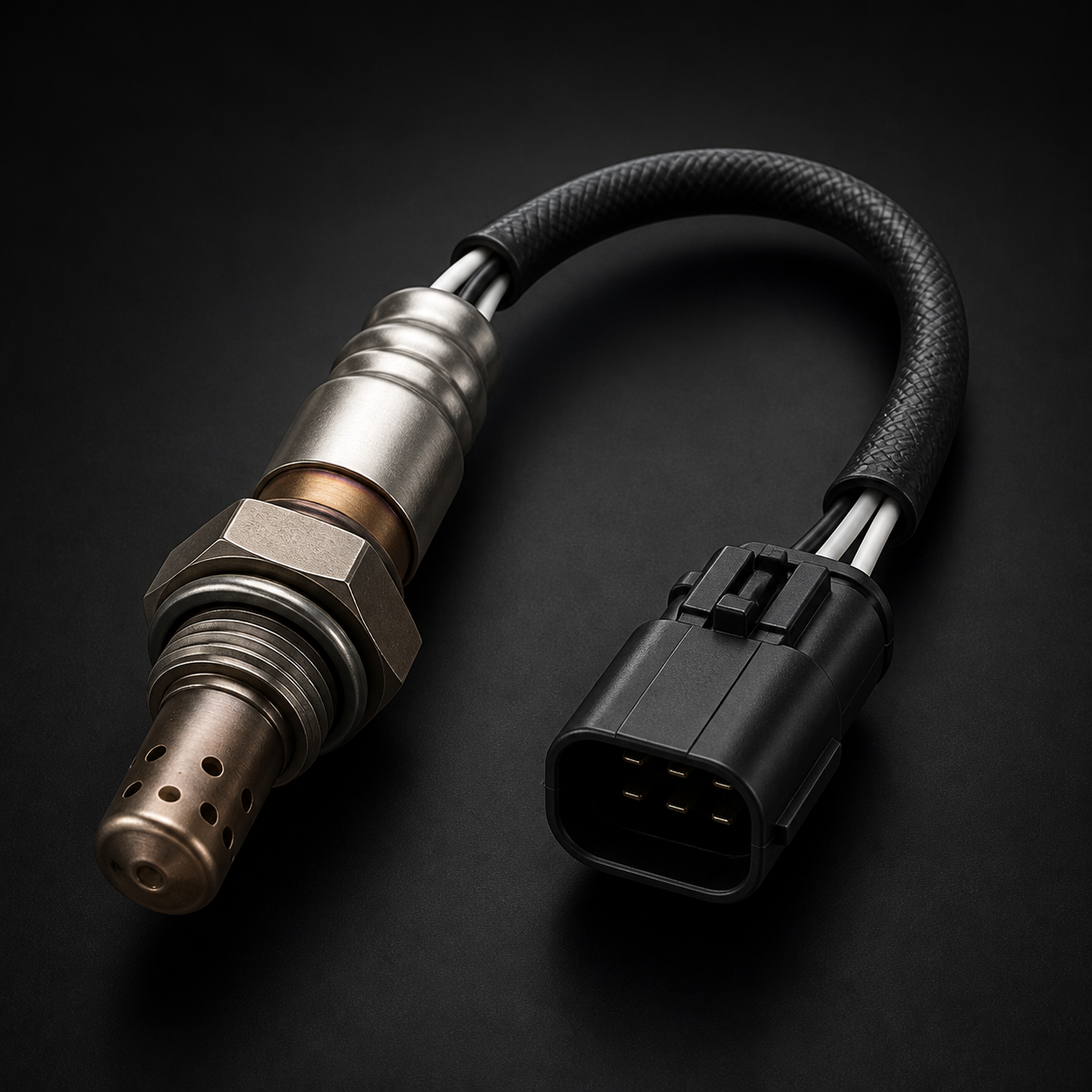
O2 Sensor: A device that measures the amount of oxygen in the exhaust gases.
ECM: Engine Control Module, the computer that controls the engine.
• P0130
• P0131
O2 Sensor Signal Circuit Adaptation Value Too High (Bank 1 Sensor 1)
The car's computer thinks the front oxygen sensor on one side of the engine is reading too high, which might mean the engine isn't running right.
The O2 sensor in the exhaust system measures the amount of oxygen in the exhaust gases. If the sensor's signal is too high, it means the sensor is detecting too much oxygen, indicating a potential issue with the engine's air-fuel mixture.
The P3012 code is triggered when the Engine Control Module (ECM) detects that the oxygen sensor's signal circuit adaptation value is higher than expected. This can affect the engine's performance and emissions.
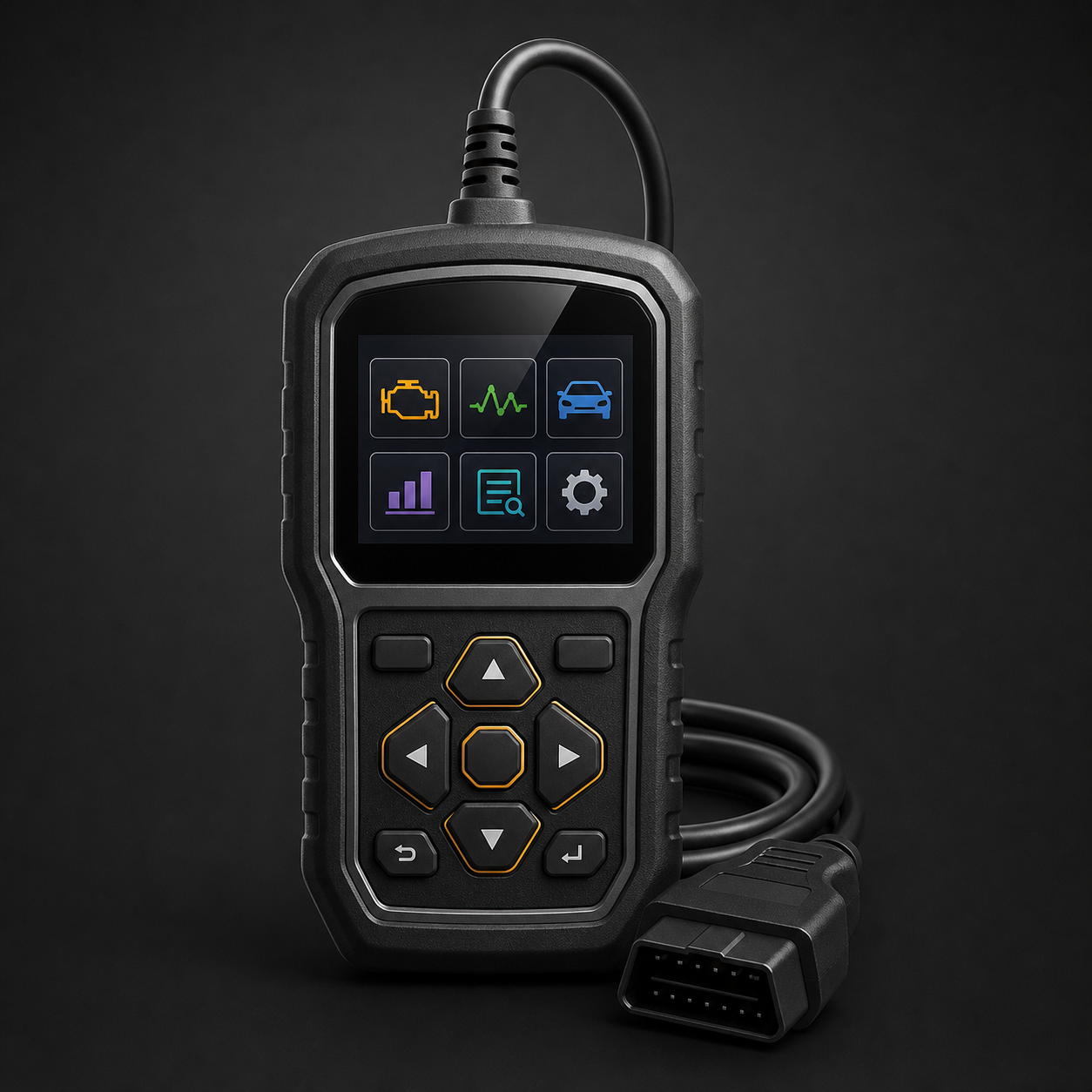
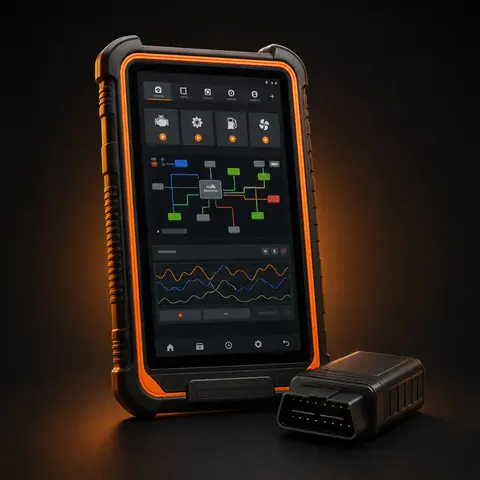
• Use an OBD-II scanner to confirm the code.
• Inspect the O2 sensor wiring and connections.
• Check for exhaust leaks near the sensor.
• Replace the faulty O2 sensor.
• Repair any exhaust leaks.
• Fix any wiring or connection issues.
• OBD-II scanner
• Wrench set
• Multimeter
$150 - $300
Moderate
• Toyota Camry
• Honda Accord
• Ford F-150
• Regularly inspect and maintain the exhaust system.
• Ensure proper engine tune-ups.
• Use high-quality fuel.
Sensor Issue
• Address the issue promptly to avoid further engine problems.
• Consult with a professional mechanic if unsure about repairs.
O2 sensors may be covered under emissions warranty for up to 8 years or 80,000 miles.
O2 sensor issues have been common due to their critical role in emissions control and engine performance.
Moderate – Should be addressed soon to prevent potential engine damage.
Driving with a faulty O2 sensor can lead to increased emissions and may fail emissions testing.
• Engine at operating temperature
• Vehicle in closed-loop mode
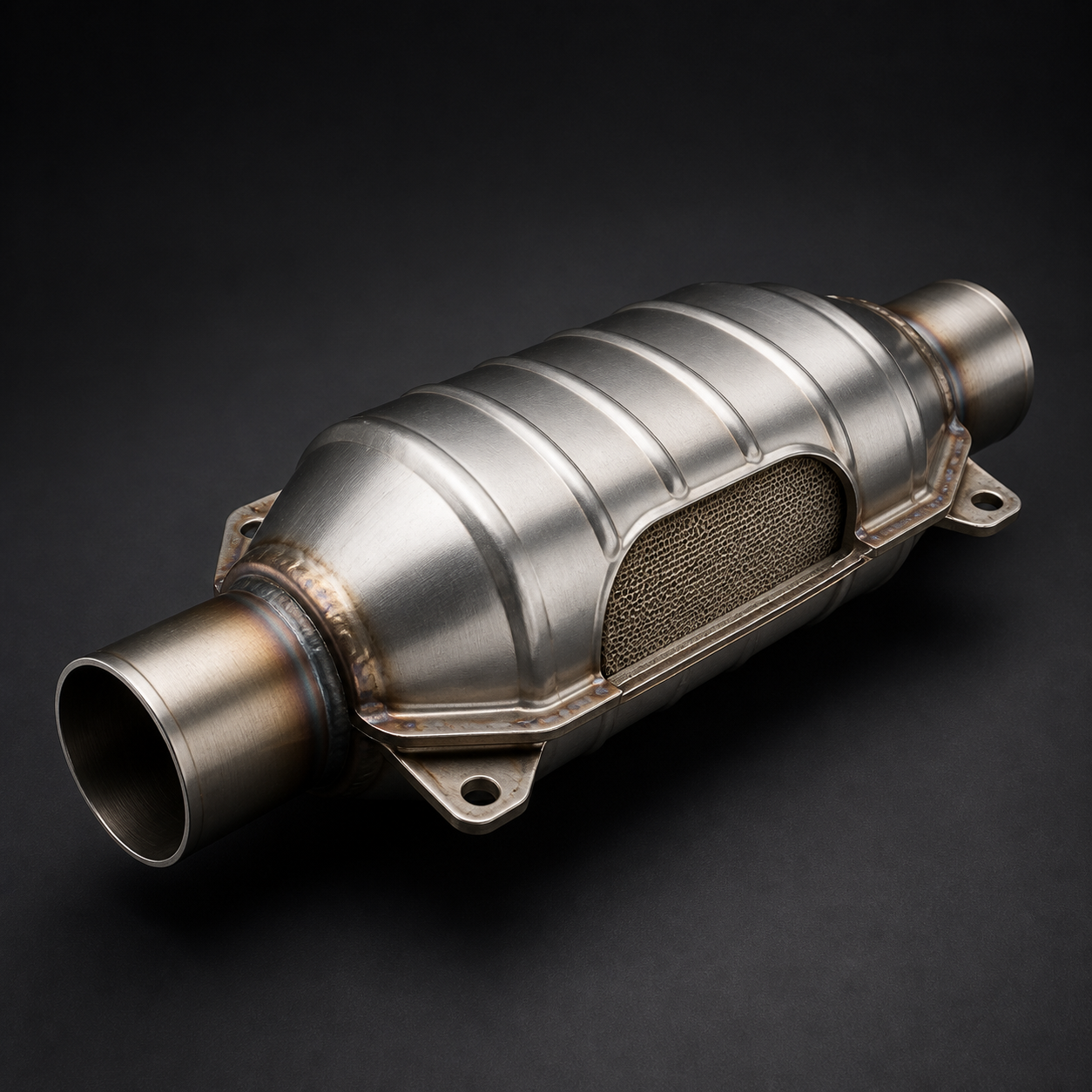
The O2 sensor is located in the exhaust manifold or exhaust pipe before the catalytic converter on the engine's bank 1.
Q: What happens if I ignore this code?
A: Ignoring this code can lead to poor engine performance and increased emissions.
Q: Can I drive my car with this code?
A: It's possible, but not recommended as it can lead to further damage and higher repair costs.