• Poor fuel economy
• Rough idle
• Check Engine Light is on
• Faulty oxygen sensor
• Leaking fuel injector
• Fuel pressure regulator malfunction
ECM: Engine Control Module
Oxygen Sensor: A device that measures the oxygen level in the exhaust gases
• P0172
• P0175
The car's computer thinks there's too much fuel in one side of the engine, which can make the car run poorly.
The engine control module (ECM) has detected that the air-fuel mixture is too rich on bank 1, meaning there is too much fuel compared to air.
The P2BED code indicates that the fuel control system is delivering too much fuel to the engine's bank 1, causing a rich condition. This can be due to a variety of factors such as a malfunctioning fuel injector, a faulty oxygen sensor, or problems with the fuel pressure regulator.
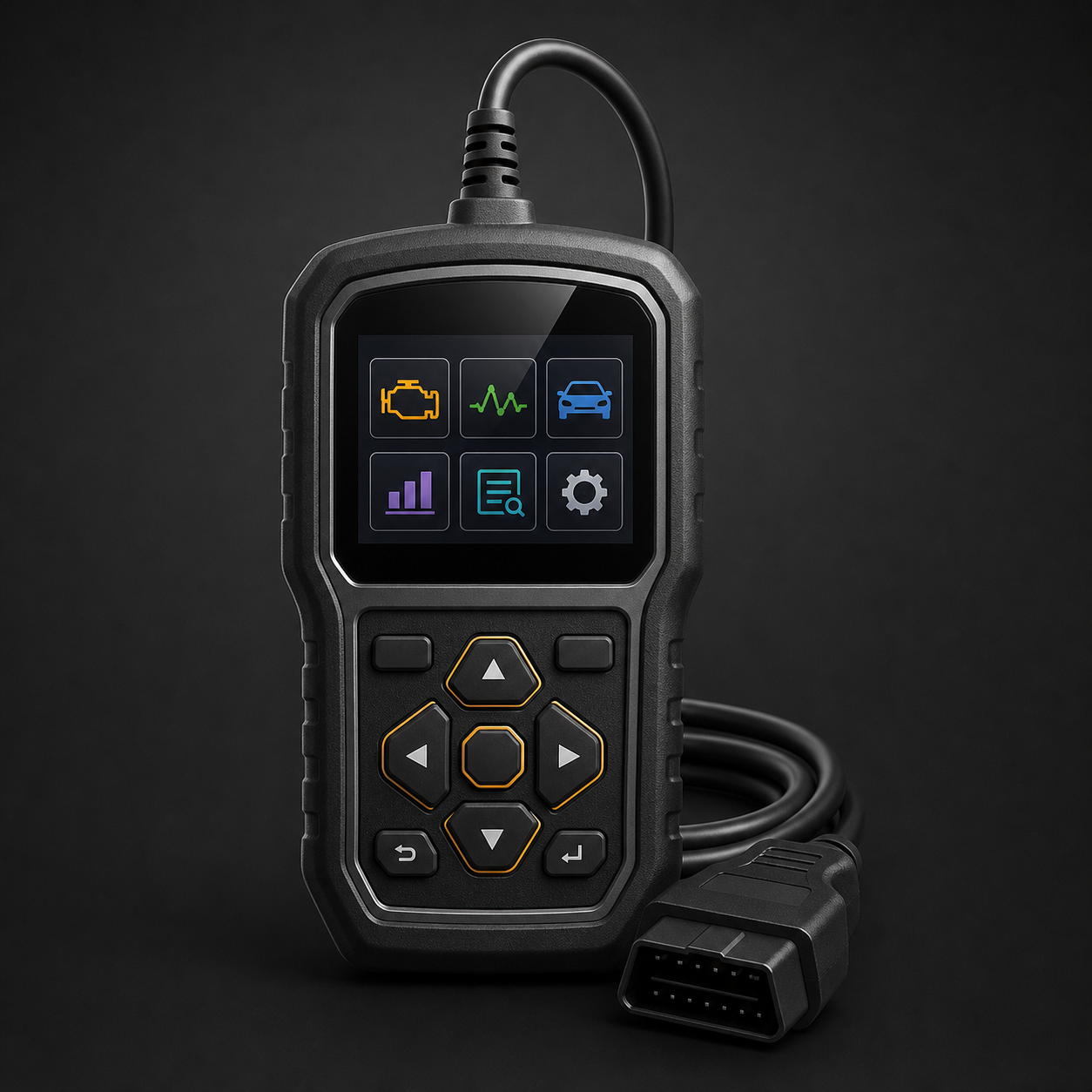
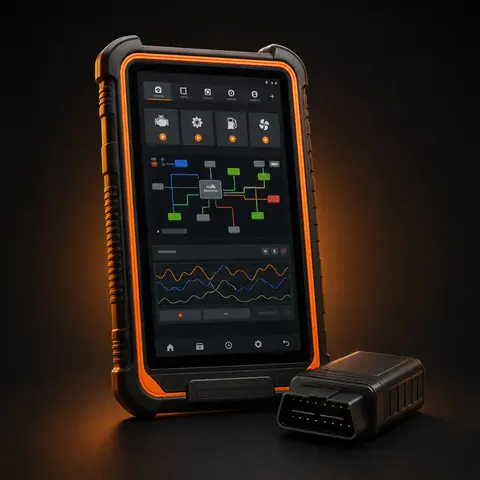
• Use an OBD-II scanner to confirm the code.
• Inspect oxygen sensors and wiring for damage.
• Check fuel injectors for leaks.
• Replace faulty oxygen sensor.
• Repair or replace leaking fuel injector.
• Inspect and replace fuel pressure regulator if necessary.
• OBD-II scanner
• Multimeter
• Fuel pressure gauge
$150 - $500
Moderate
• Toyota Camry
• Ford F-150
• Honda Accord
• Regularly maintain the fuel system.
• Replace oxygen sensors as recommended.
• Use quality fuel to prevent injector clogging.
Engine Performance
• Have the vehicle inspected by a professional.
• Avoid driving aggressively to prevent further issues.
Check with your vehicle manufacturer for specific warranty coverage related to emissions components.
This code is less common and typically associated with specific fuel system issues.
Moderate – Address the issue soon to avoid potential engine damage.
Driving with a rich fuel mixture can lead to increased emissions and potential engine damage.
• Engine at operating temperature
• Vehicle at idle and under load
Bank 1 refers to the side of the engine with cylinder 1, typically on the driver's side in V-type engines.
Q: Can I drive with a P2BED code?
A: It's possible to drive short distances, but it's best to fix the issue soon to prevent further damage.
Q: What happens if I ignore this code?
A: Ignoring the code can lead to poor fuel economy, increased emissions, and potential engine damage.