ezOBD2 - Free OBD2 Code Lookup and Check Engine Light Diagnostic Tool

Diagnose Your Check Engine Light

Enter OBDII code below:

Code P2A06

Symptoms

• Check Engine Light is on

• Poor fuel economy

• Rough engine idle

Common Causes

• Faulty oxygen sensor

• Wiring issues such as shorts or open circuits

• ECM malfunction

Glossary

ECM: Engine Control Module, the computer that controls engine functions.

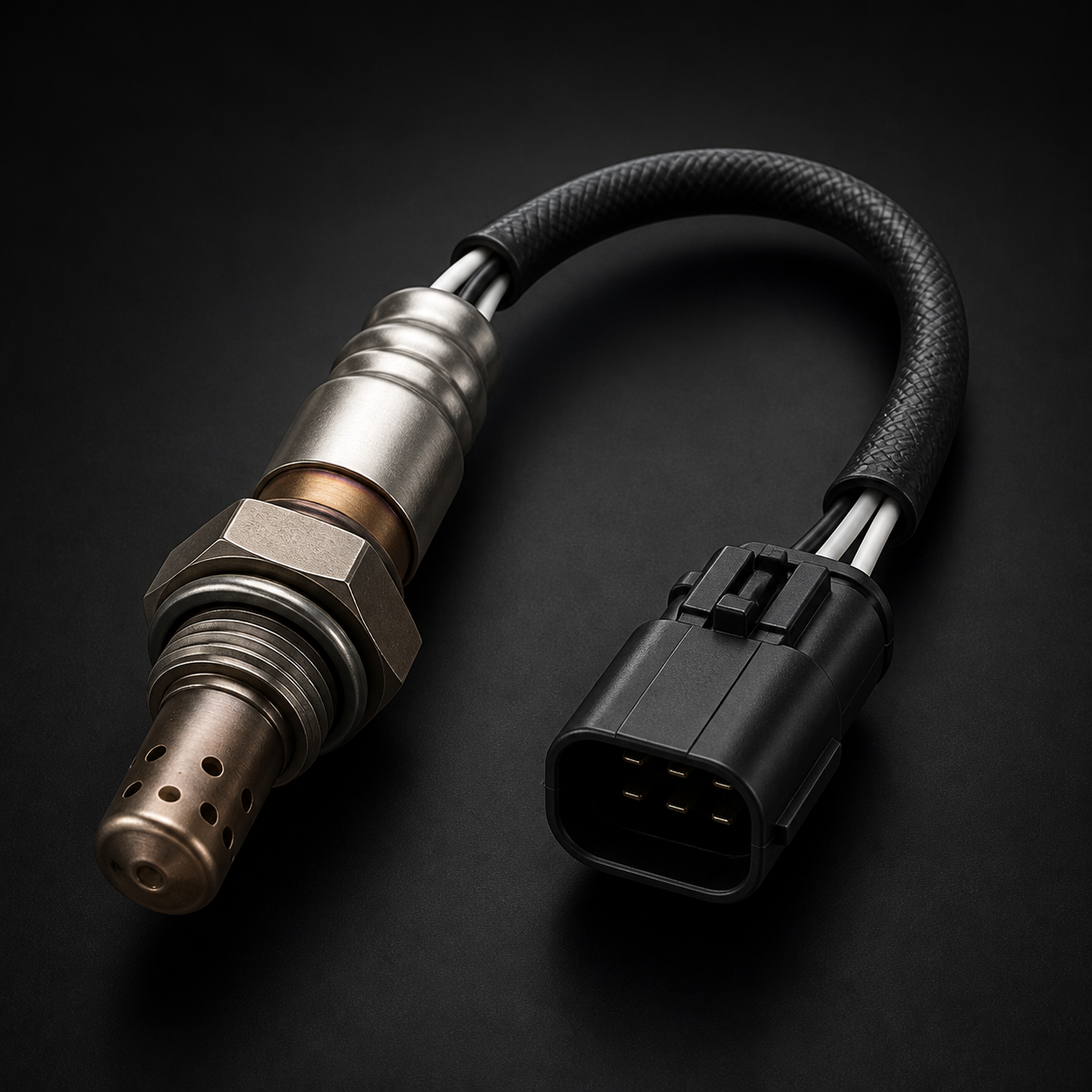
O2 Sensor: Oxygen sensor, a device that measures the oxygen level in the exhaust gases.

Related Codes

• P0130

• P0131

Laymans terms

This code means that a sensor in your car's engine is not working right. It's like a little nose that sniffs the air to make sure the engine is running well, and it's not sniffing correctly.

Explanation

The O2 sensor measures the amount of oxygen in the exhaust gases. This code indicates that the sensor is reporting a negative voltage, which is not normal.

Technical description

P2A06 is triggered when the Engine Control Module (ECM) detects a negative voltage from the oxygen sensor located at Bank 1 Sensor 1. This sensor is responsible for monitoring the air-fuel ratio of the engine's exhaust gases before the catalytic converter.

Diagnosis steps

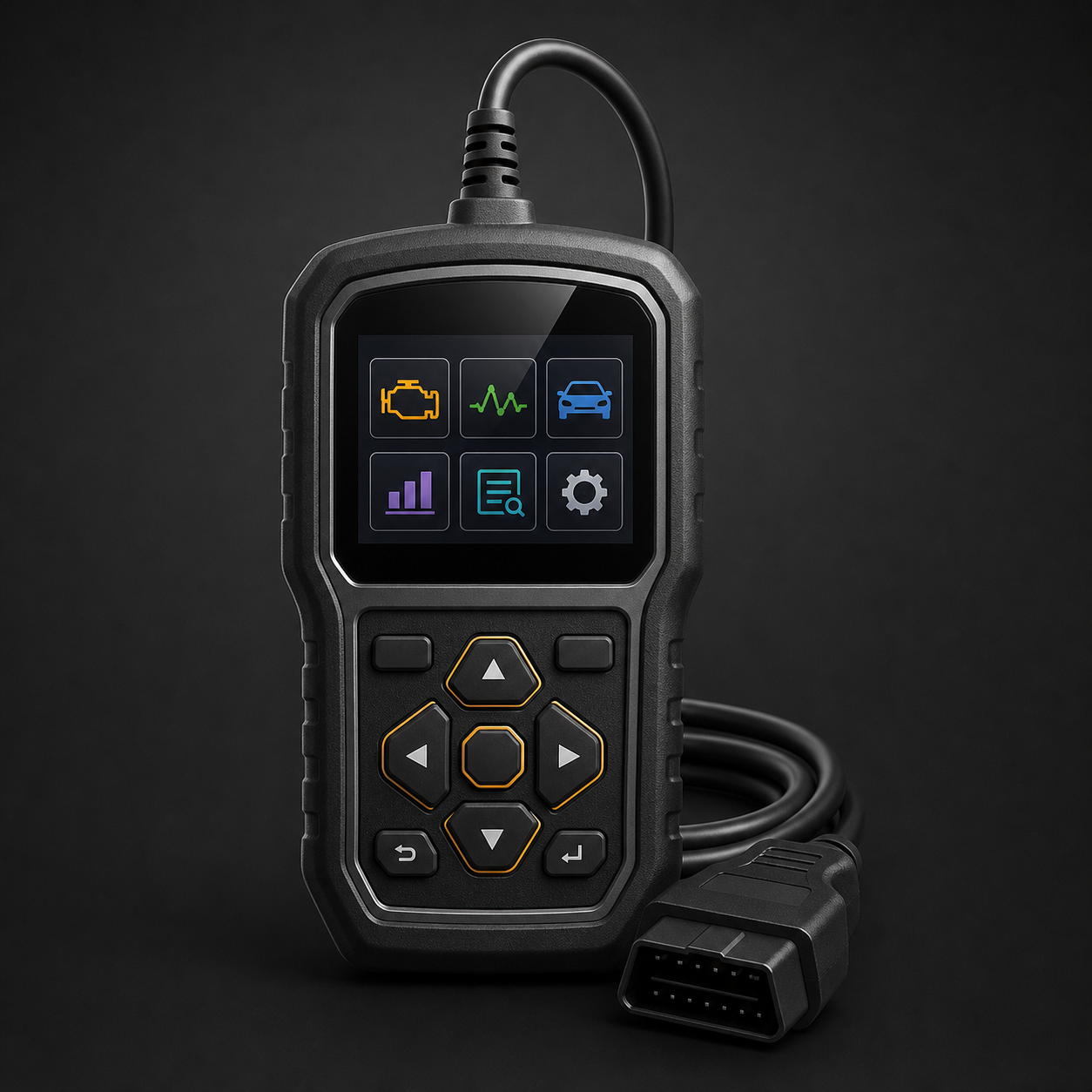
• Use an OBD-II scanner to confirm the code.

• Inspect the wiring and connectors for damage.

• Test the oxygen sensor with a multimeter.

Repair procedures

• Replace the faulty oxygen sensor.

• Repair or replace damaged wiring.

• Reprogram or replace the ECM if necessary.

Tools required

• OBD-II scanner

• Multimeter

• Wrench set

Estimated repair cost

$150 - $400

Difficulty level

Moderate

Commonly affected vehicles

• Toyota Camry

• Honda Accord

• Ford F-150

Preventive measures

• Regular maintenance checks

• Timely replacement of sensors

• Ensuring wiring is intact and free from corrosion

Error code type

Sensor Issue

User experience recommendations

• Do not ignore the Check Engine Light.

• Have the vehicle inspected by a professional if unsure.

• Consider regular diagnostic checks to catch issues early.

Warranty information

Check with your vehicle manufacturer for warranty coverage on emissions-related components.

Historical data

This code has been associated with sensor failures and wiring issues in various vehicle models over the years.

Urgency level

Moderate – It is advisable to address this issue soon to avoid potential engine performance problems.

Legal and safety notice

Driving with a malfunctioning oxygen sensor can lead to increased emissions and may not comply with environmental regulations.

Testing conditions

• Engine at operating temperature

• Vehicle running at idle

Component location

The oxygen sensor is located in the exhaust manifold, upstream of the catalytic converter on Bank 1.

FAQs

Q: Can I drive my car with this code?
A: While the car may still run, it is not recommended to drive for extended periods as it can lead to poor fuel economy and increased emissions.

Q: How often should the oxygen sensor be replaced?
A: Oxygen sensors typically last between 60,000 to 90,000 miles, but it can vary based on driving conditions and vehicle maintenance.

Last updated: Jun 9, 2026 • Source: internal database
🌙