• Unusual engine noise
• Check Engine Light illuminated
• Reduced engine performance
• Inability to change engine sound settings
• Faulty engine sound control module
• Open or shorted wiring in the engine sound control circuit
• Poor electrical connection
• Blown fuse related to the engine sound control system
ECM: Engine Control Module
Circuit: A complete path that allows electrical current to flow
• P26DA
• P26DC
This code means there's a problem with the system that controls the sound of the engine. It's like the car can't 'talk' properly because a wire might be loose or broken.
The P26DB code is triggered when the Engine Control Module (ECM) detects an open or malfunction in the circuit responsible for controlling the engine sound.
The Engine Sound Control system is designed to enhance or modify the sound produced by the engine. An 'A Circuit/Open' fault indicates that there is an interruption in the electrical circuit, which could be due to a disconnection, a broken wire, or a faulty component within the circuit.
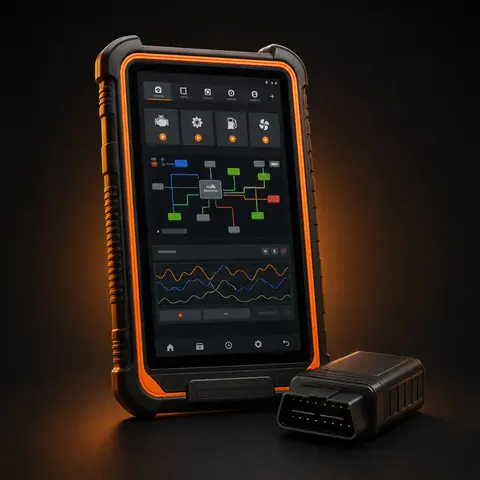
• Use an OBD-II scanner to confirm the code.
• Inspect the wiring and connectors in the engine sound control circuit.
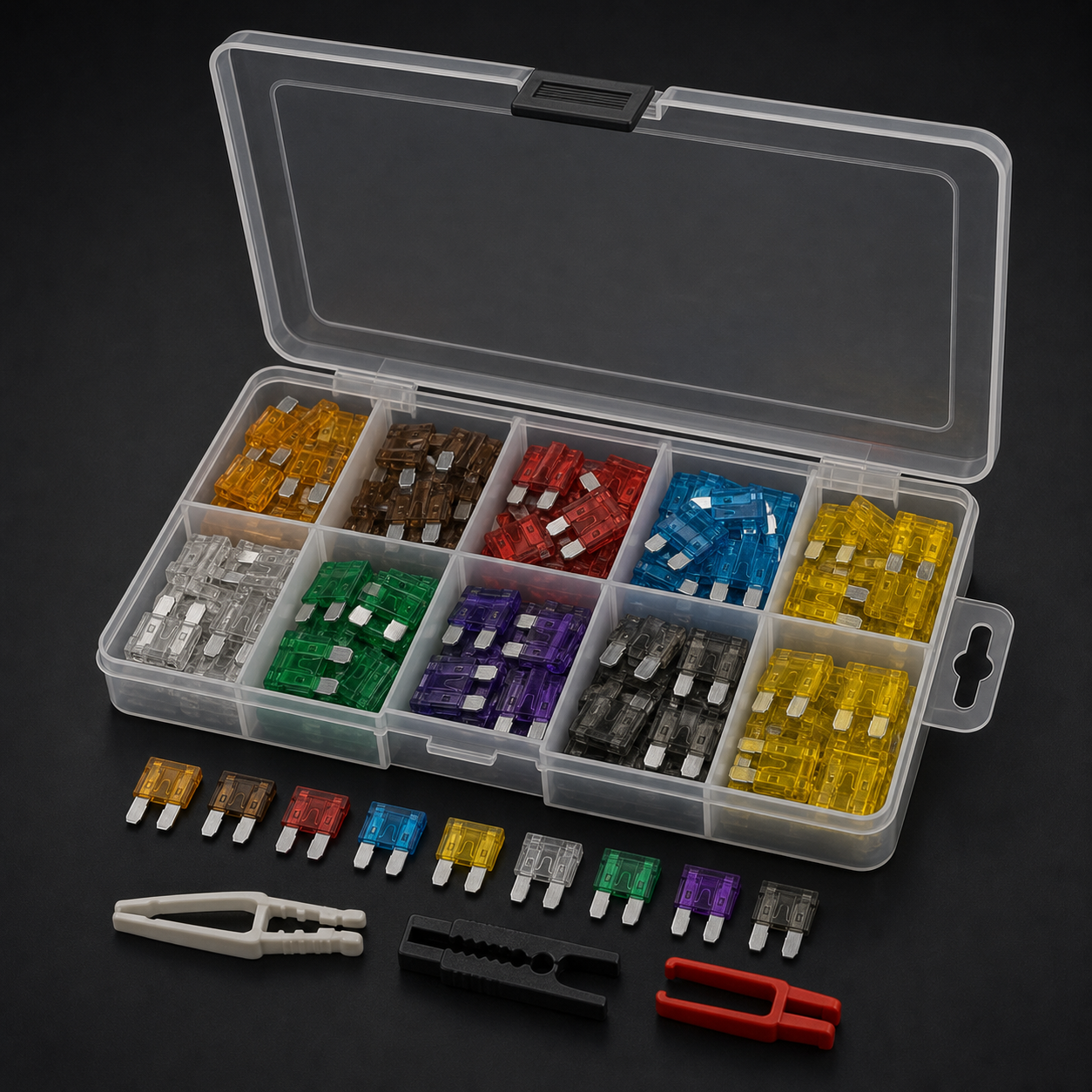
• Check the fuses related to the engine sound control system.
• Test the engine sound control module for proper operation.
• Repair or replace damaged wiring or connectors.
• Replace any blown fuses.
• Replace the engine sound control module if faulty.
• Clear the code and test drive the vehicle to ensure the issue is resolved.
• OBD-II scanner
• Multimeter
• Wire repair tools
$150 - $500
Moderate
• Ford F-150
• Chevrolet Silverado
• Dodge Ram
• Regularly inspect and maintain electrical connections.
• Avoid modifications to the engine sound system.
• Ensure all vehicle software updates are applied.
Sensor Issue
• Avoid driving aggressively until the issue is resolved.
• Consult with a professional mechanic if unsure about the repairs.
Check with your vehicle manufacturer for warranty coverage on electronic components.
This code has been more commonly reported in newer vehicles with advanced sound control systems.
Moderate – While the vehicle may still be drivable, it is recommended to address the issue to prevent further complications.
Ignoring this code could lead to increased noise pollution and may affect vehicle emissions compliance.
• Vehicle must be in a safe, stationary position.
• Engine should be running to test the sound control system.
The engine sound control module is typically located in the engine bay, near the firewall or integrated with the ECM.
Q: Can I drive with the P26DB code?
A: Yes, but it's best to get it checked soon to avoid potential noise issues.
Q: Will this code affect my car's performance?
A: It might not affect performance directly, but it can lead to unusual engine noises.