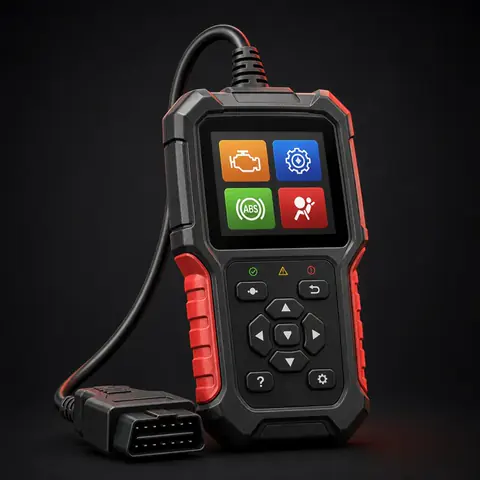
Pro · Four-system diagnostics
FOXWELL Multi-System Scanner
A handheld scanner aimed at engine, transmission, ABS, and airbag diagnostic work.
Chassis and ABS faults usually need a scanner that can read brake-system data directly.
View on Amazon
Easy one-page printout for the garage or repair shop
This summary uses the existing diagnostic information shown in full below.
This code means that the car's computer has detected a problem with the sensor that checks the temperature of the brake booster. It's like when a thermometer isn't working right and can't tell you the temperature.
The brake booster temperature sensor monitors the temperature of the brake booster to ensure it operates within safe limits. If the sensor or its circuit malfunctions, it triggers the P25C4 code.
The P25C4 code is set when the Engine Control Module (ECM) detects an issue with the Brake Booster Temperature Sensor A circuit. This could be due to an open or shorted circuit, a faulty sensor, or issues with the wiring or connectors.
• Check Engine Light is on
• Reduced braking performance
• Unusual brake pedal feel
• Possible ABS warning light
• Faulty brake booster temperature sensor
• Open or shorted wiring in the sensor circuit
• Poor electrical connection at the sensor
• ECM malfunction
Brake Booster: A device that uses vacuum pressure to help the driver apply more force to the brakes.
ECM: Engine Control Module, the computer that controls the engine and monitors various sensors.
• Use an OBD-II scanner to confirm the code.
• Inspect the brake booster temperature sensor and its wiring for damage.
• Test the sensor's electrical resistance with a multimeter.
• Check the ECM for any other related codes.
• Replace the faulty brake booster temperature sensor.
• Repair or replace damaged wiring or connectors.
• Clear the code and test drive to ensure the issue is resolved.
• OBD-II scanner
• Multimeter
• Basic hand tools
$100 - $300
Moderate
• Vehicle 1
• Vehicle 2
• Vehicle 3
• Regularly inspect brake system components.
• Ensure proper maintenance of electrical systems.
• Address any brake-related warning lights promptly.
Sensor Issue
• Do not ignore the Check Engine Light.
• Get the vehicle inspected by a professional if unsure.
• Avoid driving aggressively until the issue is resolved.
Check with the vehicle manufacturer for specific warranty coverage on brake system components.
This code has been more prevalent in vehicles with advanced braking systems that include temperature monitoring for safety.
Moderate – While the vehicle can still be driven, it is important to address this issue to ensure optimal braking performance.
Driving with a malfunctioning brake system can be dangerous. Ensure repairs are completed promptly to maintain vehicle safety.
• Vehicle must be at operating temperature.
• Ensure no other brake system codes are present.
The brake booster temperature sensor is typically located near the brake booster assembly, often on the firewall in the engine bay.
Q: Can I drive with a P25C4 code?
A: It's not recommended to drive with this code active as it may affect braking performance. Get it checked as soon as possible.
Q: How do I clear the P25C4 code?
A: After repairs, use an OBD-II scanner to clear the code, but ensure the issue is fixed to prevent it from returning.
Pro · Four-system diagnostics
A handheld scanner aimed at engine, transmission, ABS, and airbag diagnostic work.
Chassis and ABS faults usually need a scanner that can read brake-system data directly.
View on Amazon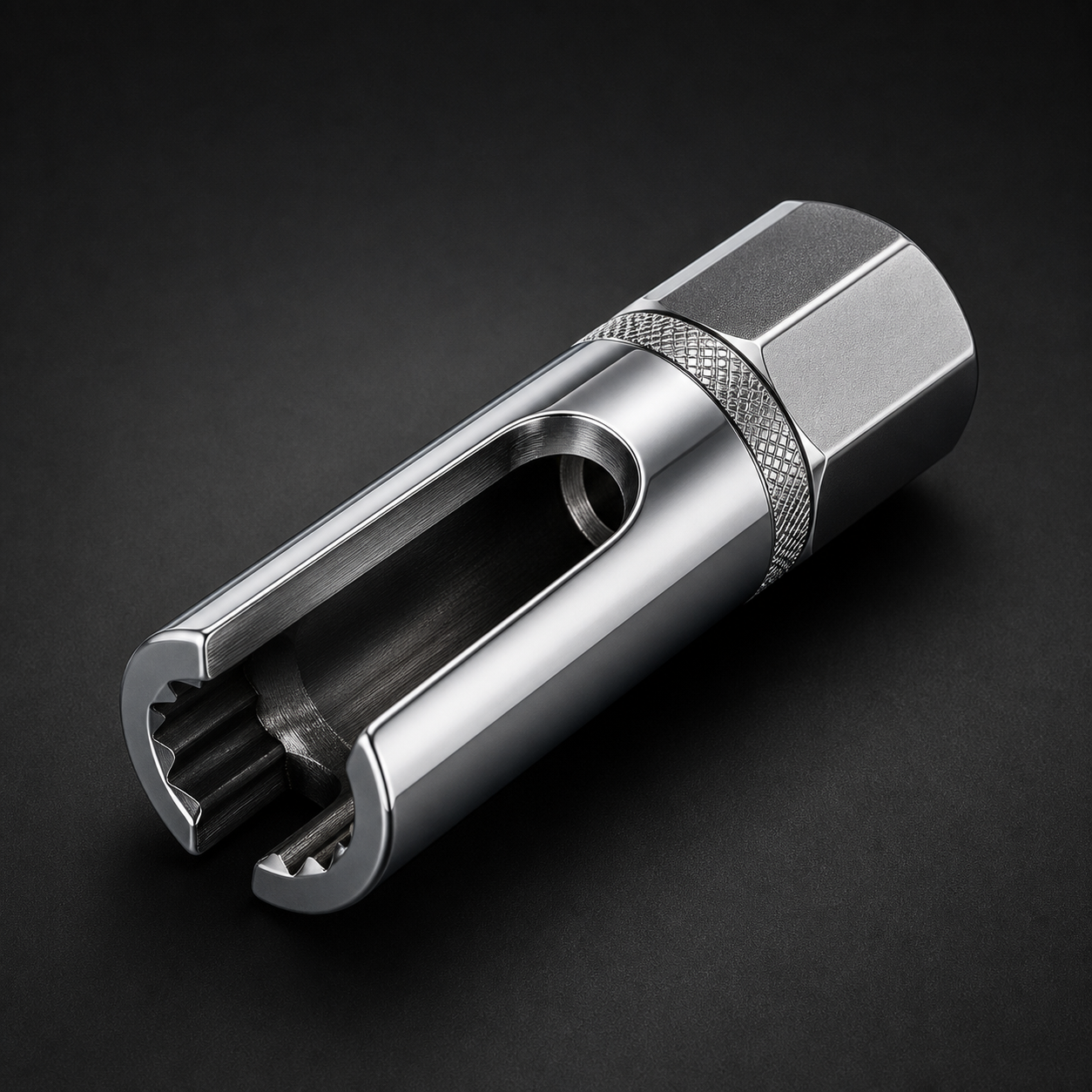
Universal · Torque wrench
Useful when reassembly torque matters for wheel, suspension, and under-hood fasteners.
Useful when wheel, hub, or suspension hardware needs correct reassembly torque.
View on Amazon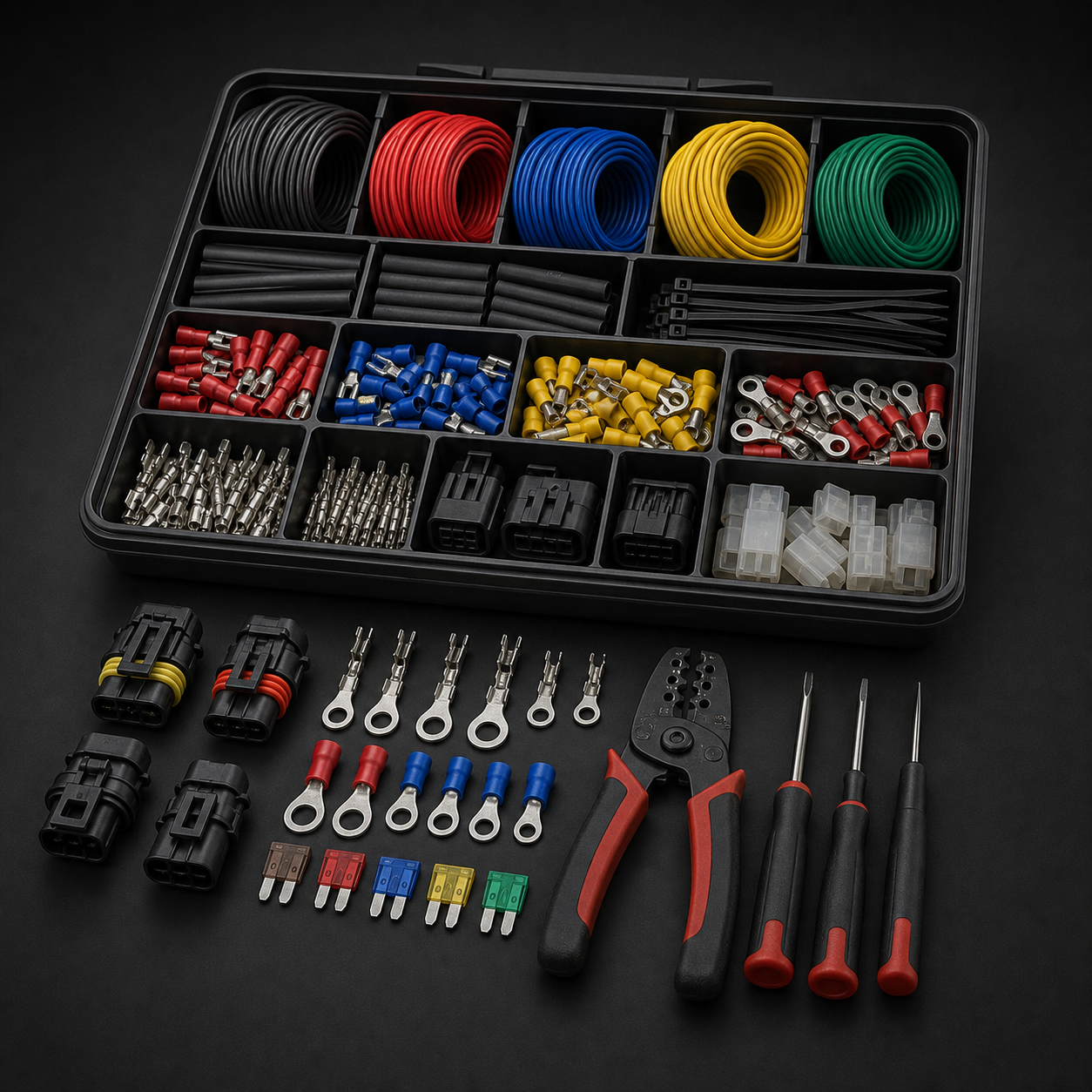
Universal · Drive-on ramps
Helpful for safer access underneath the vehicle during exhaust, EVAP, and underbody inspection work.
Helpful for safer access during underbody inspection work.
View on AmazonThese are optional diagnostic tools, not guaranteed fixes. As an Amazon Associate I earn from qualifying purchases.