• Check Engine Light is on
• Poor engine performance
• Increased fuel consumption
• Faulty fuel heater
• Damaged wiring or connectors
• Failed ECM
ECM: Engine Control Module
OBD-II: On-Board Diagnostics II
• P23D4
• P23D5
This code means that the computer in your car has detected a problem with the heater that warms up the fuel going to the first cylinder. It's not getting enough power.
The P23D3 code indicates that the power supply to the fuel heater for cylinder 1 is lower than expected, which can affect the heater's operation.
The P23D3 code is triggered when the Engine Control Module (ECM) detects a low voltage condition in the control circuit of the fuel heater for cylinder 1. This can result in inadequate heating of the fuel, potentially affecting combustion efficiency.
• Perform a visual inspection of the wiring and connectors for damage.
• Check the voltage supply to the fuel heater.
• Test the fuel heater's resistance to ensure it's within specifications.
• Repair or replace damaged wiring or connectors.
• Replace the faulty fuel heater.
• Reprogram or replace the ECM if necessary.
• Multimeter
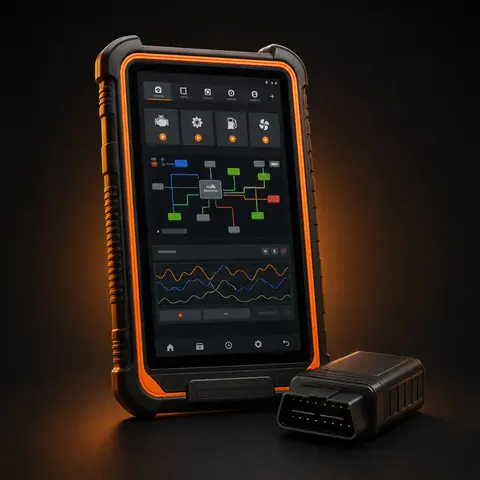
• OBD-II scanner
• Wiring diagram
$100 - $500
Moderate
• Vehicle 1
• Vehicle 2
• Vehicle 3
• Regular maintenance checks
• Ensure proper electrical connections
• Use quality fuel
Sensor Issue
• Do not ignore the Check Engine Light.
• Seek professional diagnosis if unsure.
• Avoid driving long distances until fixed.
Check with your vehicle manufacturer for warranty coverage on emission-related components.
This code has been associated with vehicles that have fuel heating systems for cold climates.
Moderate – Addressing this issue can prevent further engine performance problems.
Driving with a malfunctioning fuel heater can lead to increased emissions and potential engine damage.
• Engine at operating temperature
• Battery fully charged
The fuel heater for cylinder 1 is typically located near the fuel injector or fuel rail of the first cylinder.
Q: Can I drive with a P23D3 code?
A: It's not recommended as it can lead to poor engine performance and increased emissions.
Q: How can I prevent this code from appearing?
A: Regular maintenance and ensuring good electrical connections can help prevent this issue.