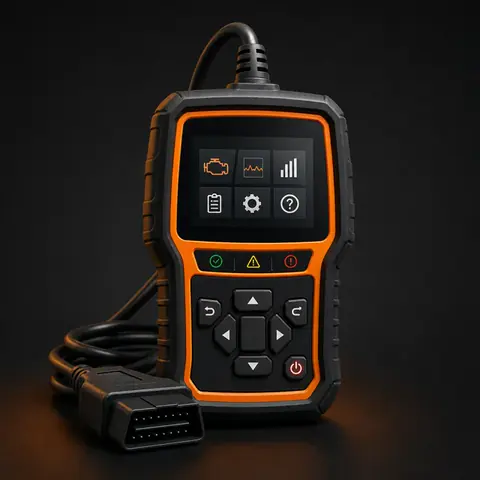
• Check Engine Light on
• Poor fuel economy
• Rough engine idle
• Faulty oxygen sensor
• Exhaust leaks
• Fuel injector issues
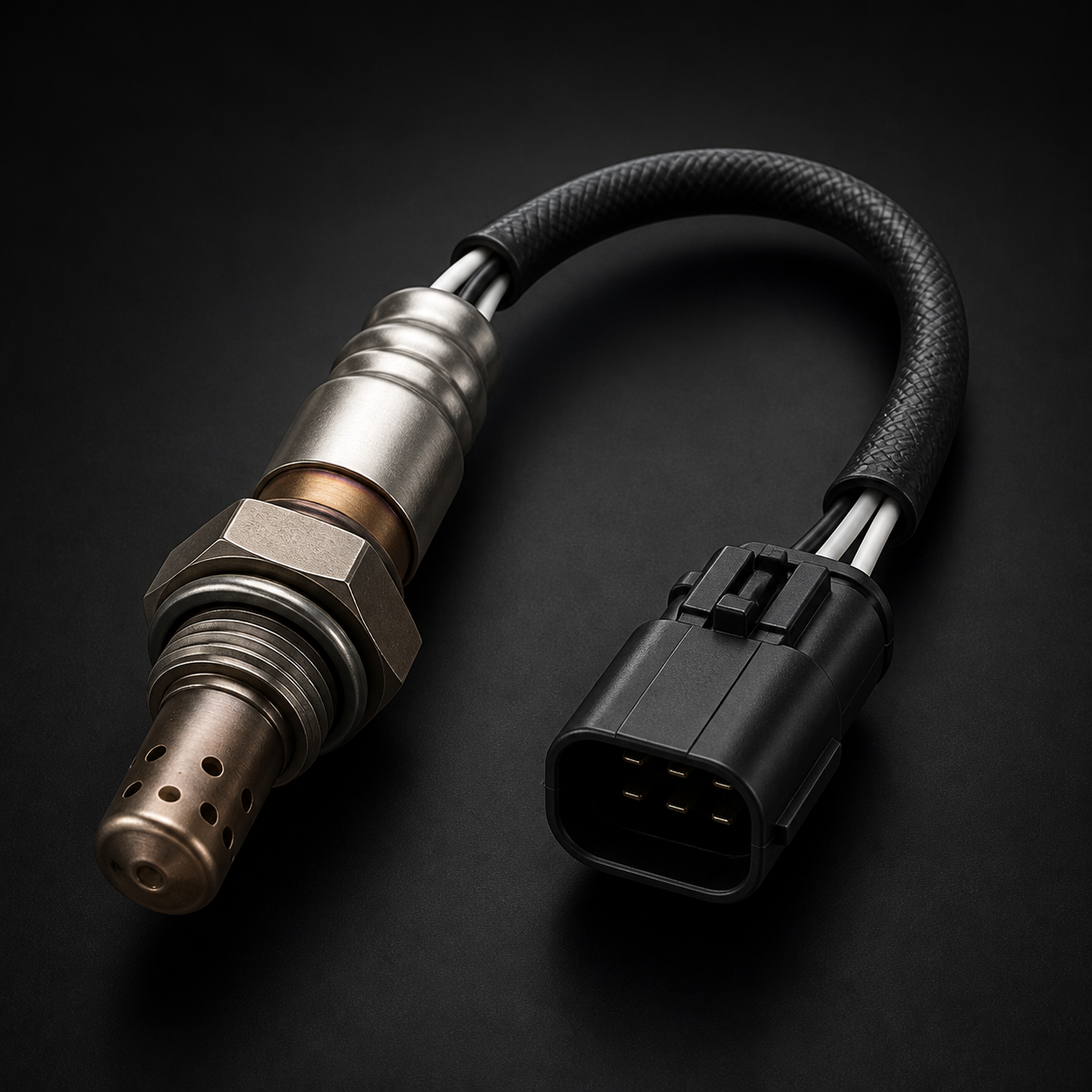
Oxygen Sensor: A device that measures the amount of oxygen in the exhaust gases.
Rich Condition: When there is more fuel than air in the engine's exhaust.
• P0172
• P0175
O2 Sensor Signal Biased/Stuck Rich Bank 1 Sensor 2
This code means the car's computer thinks that the oxygen sensor in the exhaust pipe behind the engine is reading too much fuel and not enough air. It's like the car is breathing in too much and not blowing out enough.
The P2271 code indicates that the signal from the downstream oxygen sensor (Bank 1, Sensor 2) is stuck in a rich condition, meaning it consistently detects more fuel than air in the exhaust gases.
The oxygen sensor (O2 sensor) measures the amount of oxygen in the exhaust gases. A 'rich' condition means there's more fuel than ideal in the exhaust. Bank 1 refers to the side of the engine with cylinder 1, and Sensor 2 is the sensor located after the catalytic converter. If the sensor signal is stuck rich, it suggests a potential problem with the sensor itself, the wiring, or an actual rich-running condition in the engine.
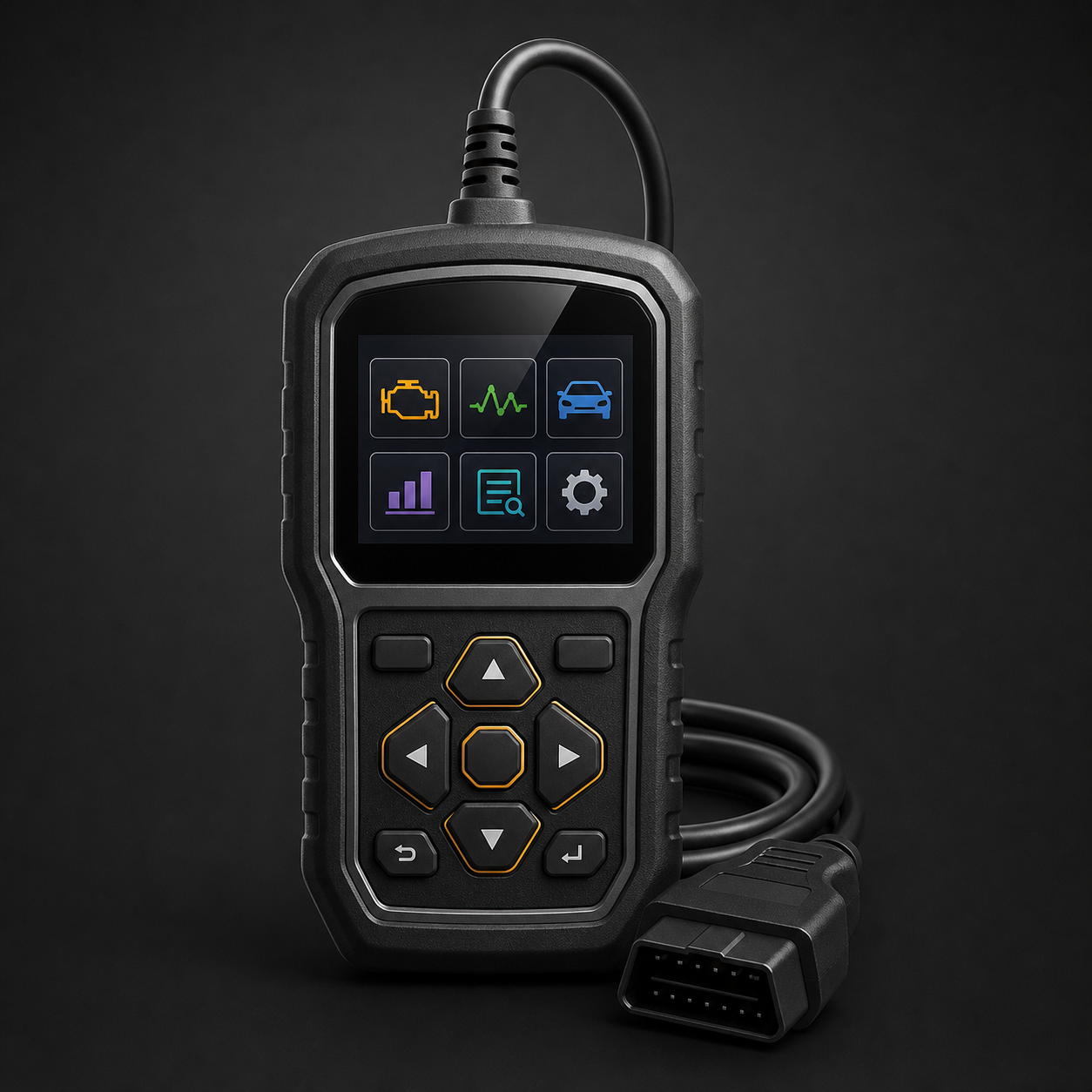
• Use an OBD-II scanner to confirm the code.
• Inspect the oxygen sensor and wiring for damage.
• Check for exhaust leaks near the sensor.
• Replace the faulty oxygen sensor.
• Repair any exhaust leaks.
• Clean or replace fuel injectors if needed.
• OBD-II scanner
• Wrench set
• Multimeter
$150 - $300
Moderate
• Toyota Camry
• Honda Accord
• Ford F-150
• Regular maintenance checks
• Use quality fuel
• Timely replacement of oxygen sensors
Sensor Issue
• Do not ignore the Check Engine Light.
• Get the vehicle inspected by a professional.
• Avoid driving with a known sensor issue to prevent further damage.
Check if the vehicle's emissions warranty covers oxygen sensor replacement.
Oxygen sensor codes like P2271 have been common as vehicles have become more reliant on electronic sensors for emissions control.
Moderate – While the vehicle may still be drivable, it could lead to increased fuel consumption and emissions.
Driving with a faulty oxygen sensor can lead to increased emissions, which may not comply with local environmental regulations.
• Engine at operating temperature
• Vehicle driven at various speeds
The oxygen sensor is located in the exhaust system, after the catalytic converter on the side of the engine with cylinder 1.
Q: Can I drive with a P2271 code?
A: While you can drive, it's not advisable as it can lead to poor fuel economy and increased emissions.
Q: How do I know if my oxygen sensor is bad?
A: Symptoms include a Check Engine Light, poor fuel economy, and rough idle.