• Check Engine Light is on
• Engine runs rough or stalls
• Poor fuel economy
• Faulty oxygen sensor
• Wiring issues or poor connections
• Malfunctioning ECM
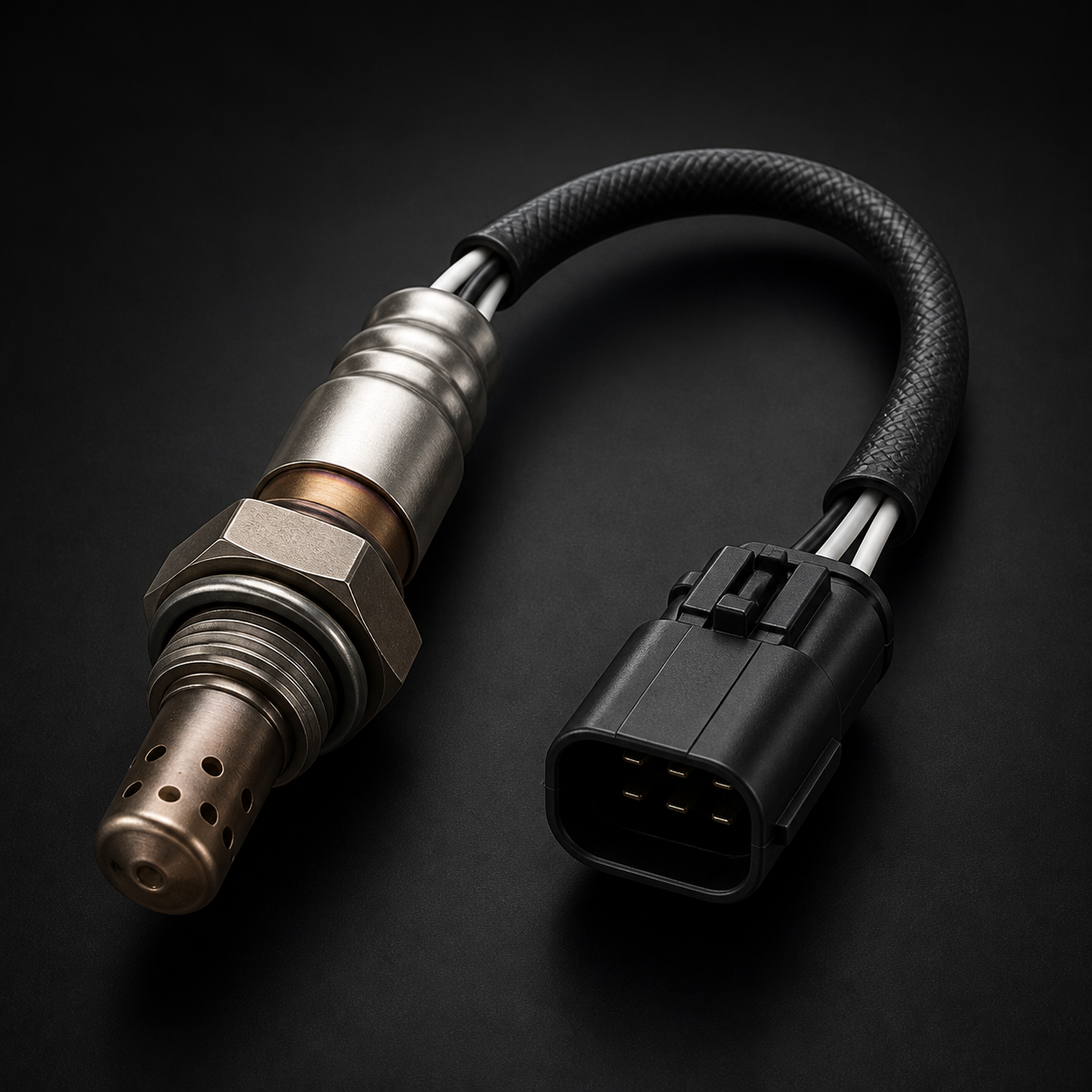
O2 Sensor: A device that measures the oxygen level in the exhaust gases.
ECM: Engine Control Module, the computer that manages the engine's operations.
• P2251
• P2254
O2 Sensor Negative Current Control Circuit Low Bank 2 Sensor 1
This code means that the car's computer is having trouble with one of the oxygen sensors. It's like when a thermometer isn't working right and gives the wrong temperature. This sensor helps the car know how much fuel to use.
The P2255 code indicates a problem with the oxygen sensor's current control circuit, specifically for Bank 2 Sensor 1. The sensor is reporting a lower than expected current.
The O2 sensor is responsible for monitoring the oxygen levels in the exhaust gases. The 'negative current control circuit low' means that the sensor is not providing the expected current signal to the engine control module (ECM), which could affect the air-fuel mixture.
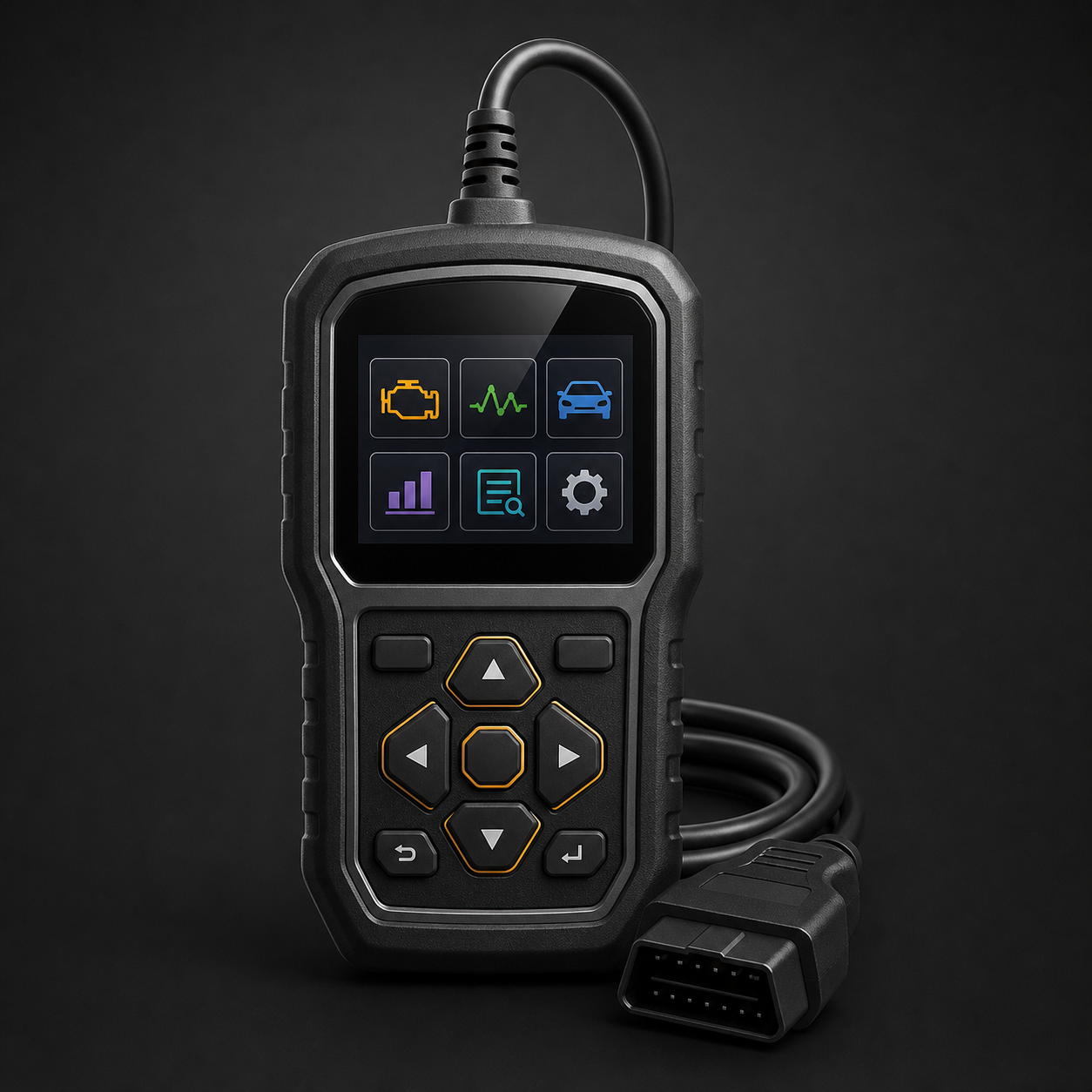
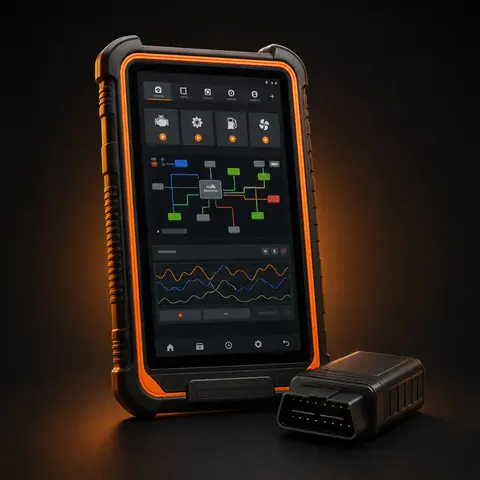
• Use an OBD-II scanner to confirm the code.
• Inspect the wiring and connections to the oxygen sensor.
• Test the oxygen sensor's current output with a multimeter.
• Replace the faulty oxygen sensor.
• Repair or replace damaged wiring or connectors.
• Update or reprogram the ECM if necessary.
• OBD-II scanner
• Multimeter
• Wrench set
$150 - $400
Moderate
• Toyota Camry
• Ford F-150
• Chevrolet Silverado
• Regularly inspect and maintain oxygen sensors.
• Ensure wiring and connections are secure.
• Follow scheduled maintenance for the vehicle.
Sensor Issue
• Do not ignore the Check Engine Light.
• Have the vehicle inspected by a professional if unsure.
• Consider regular maintenance to prevent sensor issues.
Check with the vehicle manufacturer; oxygen sensors may be covered under emissions warranty.
Oxygen sensor issues have been common since the introduction of OBD-II systems, as they play a crucial role in emissions control.
Moderate – It should be addressed soon to prevent further engine performance issues.
Driving with a faulty oxygen sensor can lead to increased emissions and may not pass emissions testing.
• Engine at operating temperature
• Vehicle in closed-loop mode
The oxygen sensor is located in the exhaust manifold or exhaust pipe of Bank 2, upstream of the catalytic converter.
Q: Can I drive my car with a P2255 code?
A: While you can drive the car, it's not recommended for long periods as it may lead to increased emissions and reduced fuel efficiency.
Q: How often should oxygen sensors be replaced?
A: Oxygen sensors typically last between 60,000 to 90,000 miles, but it's best to follow the manufacturer's recommendations.