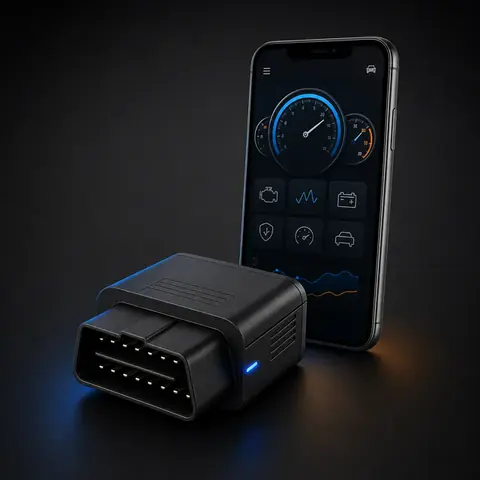
Budget · Bluetooth scanner
BlueDriver Pro Next
An app-based scanner with repair reports and enhanced system diagnostics on supported vehicles.
Helpful when live data and repair-report guidance can narrow down a drivability issue.
View on Amazon
Easy one-page printout for the garage or repair shop
This summary uses the existing diagnostic information shown in full below.
This code means there's a problem with a sensor that checks how hot the gases coming out of your car's engine are. It's like a thermometer for your car's exhaust, and it's not working right.
The P2086 code indicates that the exhaust gas temperature sensor on bank 2, sensor 2, is not reading within the expected range. This sensor helps monitor the temperature of the exhaust gases to ensure the engine is running efficiently and to protect components like the catalytic converter.
The exhaust gas temperature sensor is responsible for measuring the temperature of the exhaust gases leaving the engine. Bank 2 refers to the side of the engine opposite to bank 1, and sensor 2 is usually located after the catalytic converter. A range/performance issue suggests that the sensor is sending readings that are outside the normal range, indicating a potential fault in the sensor itself, the wiring, or the exhaust system.
• Check Engine Light illuminated
• Poor fuel economy
• Possible engine performance issues
• Faulty exhaust gas temperature sensor
• Wiring issues or poor electrical connections
• Exhaust leaks or restrictions
OBD-II: On-Board Diagnostics, a standardized system for self-diagnosing vehicle issues.
Exhaust Gas Temperature Sensor: A sensor that measures the temperature of exhaust gases to help manage engine performance.
• Use an OBD-II scanner to confirm the code.
• Inspect the exhaust gas temperature sensor and its wiring.
• Check for exhaust leaks or damage near the sensor.
• Replace the faulty exhaust gas temperature sensor.
• Repair or replace damaged wiring or connectors.
• Fix any exhaust leaks or restrictions.
• OBD-II scanner
• Multimeter
• Socket set
$100 - $300
Moderate
• Ford F-150
• Chevrolet Silverado
• Toyota Tacoma
• Regularly inspect exhaust system components.
• Ensure all sensors are functioning properly.
• Perform routine vehicle maintenance.
Sensor Issue
• Have the vehicle inspected by a professional if the Check Engine Light is on.
• Avoid driving for long periods if performance issues are noticed.
• Keep up with regular maintenance to prevent future issues.
Check with your vehicle manufacturer for warranty coverage on emissions-related components.
This code has been more common in vehicles with higher mileage or those that frequently operate under heavy loads.
Moderate – It's important to address this issue to avoid potential damage to the catalytic converter and ensure optimal engine performance.
Driving with a malfunctioning exhaust sensor can lead to increased emissions, which may not comply with environmental regulations.
• Engine at operating temperature
• Vehicle running under normal conditions
The sensor is located on the exhaust system, typically after the catalytic converter on the side of the engine labeled as bank 2.
Q: Can I drive with a P2086 code?
A: It's possible to drive for a short time, but it's best to have it checked soon to avoid potential damage.
Q: How do I reset the Check Engine Light after fixing the issue?
A: You can use an OBD-II scanner to clear the code, or it may reset itself after a few drive cycles if the issue is resolved.
Budget · Bluetooth scanner
An app-based scanner with repair reports and enhanced system diagnostics on supported vehicles.
Helpful when live data and repair-report guidance can narrow down a drivability issue.
View on Amazon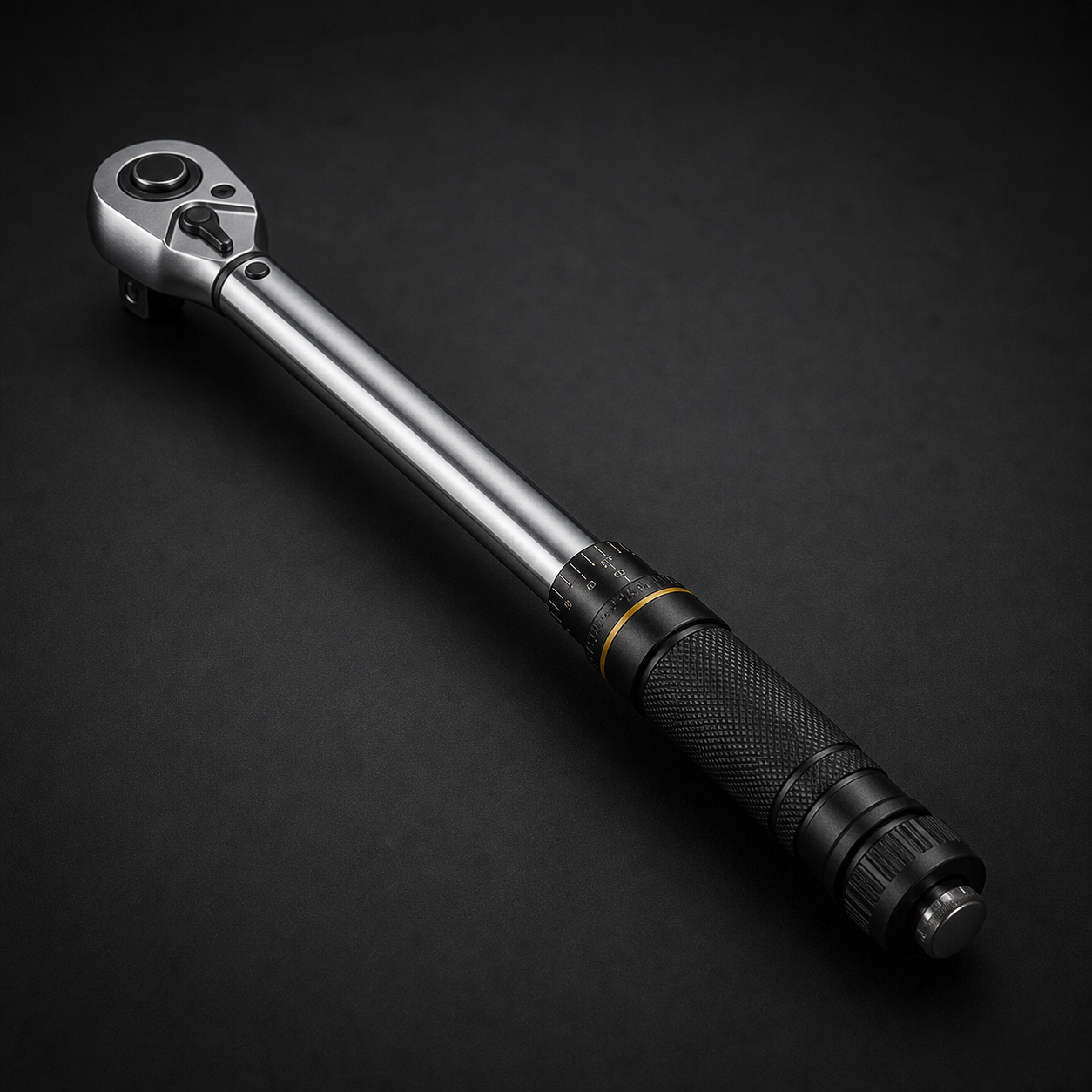
Specialty · Fuel pressure tester
Helpful for no-start, lean, rich, injector, and fuel-delivery diagnosis.
Useful for checking whether fuel delivery is contributing to the fault.
View on Amazon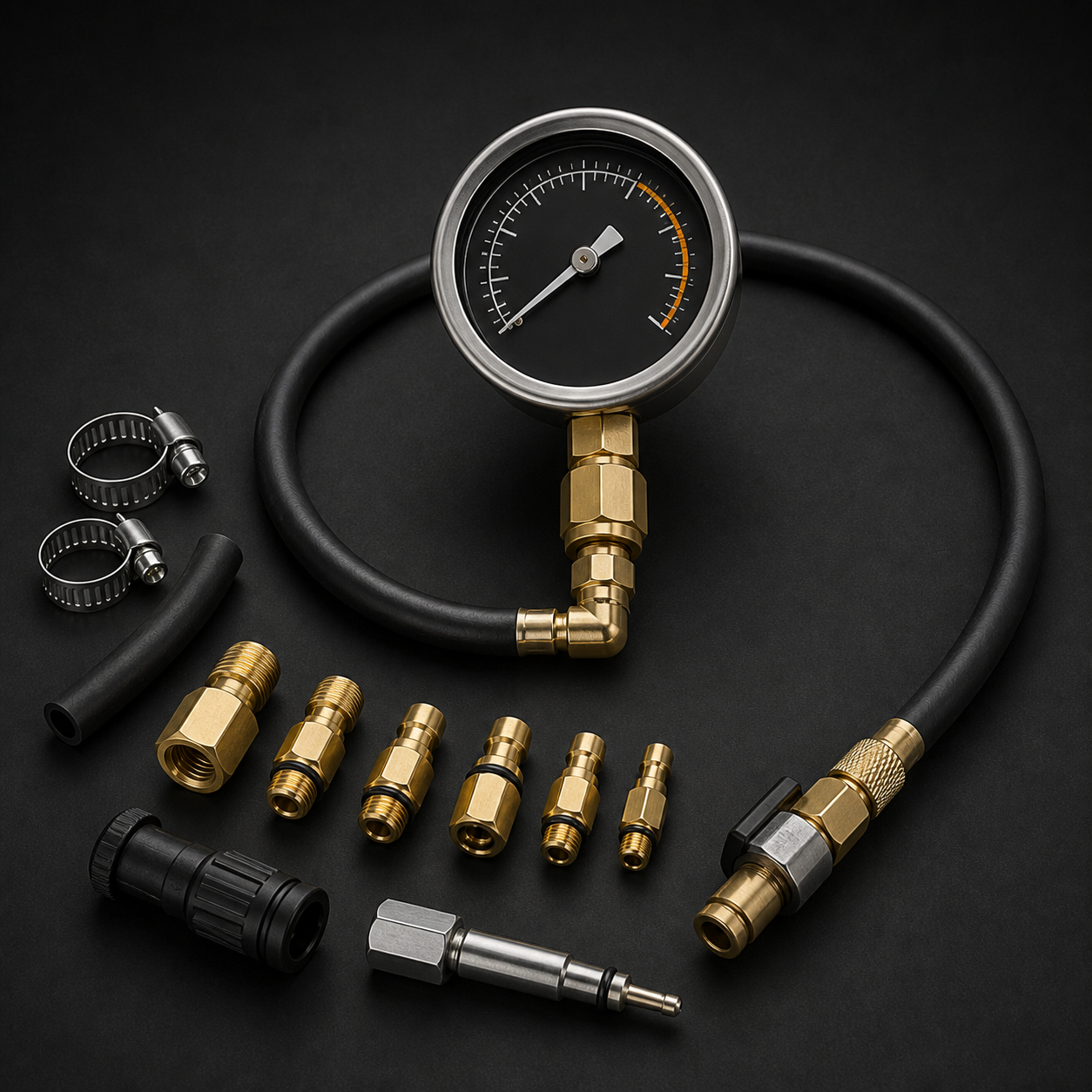
Specialty · Compression tester
Useful when misfire, mechanical condition, or low-cylinder-pressure problems are suspected.
Helpful when you need to rule out low compression or mechanical engine problems.
View on AmazonThese are optional diagnostic tools, not guaranteed fixes. As an Amazon Associate I earn from qualifying purchases.
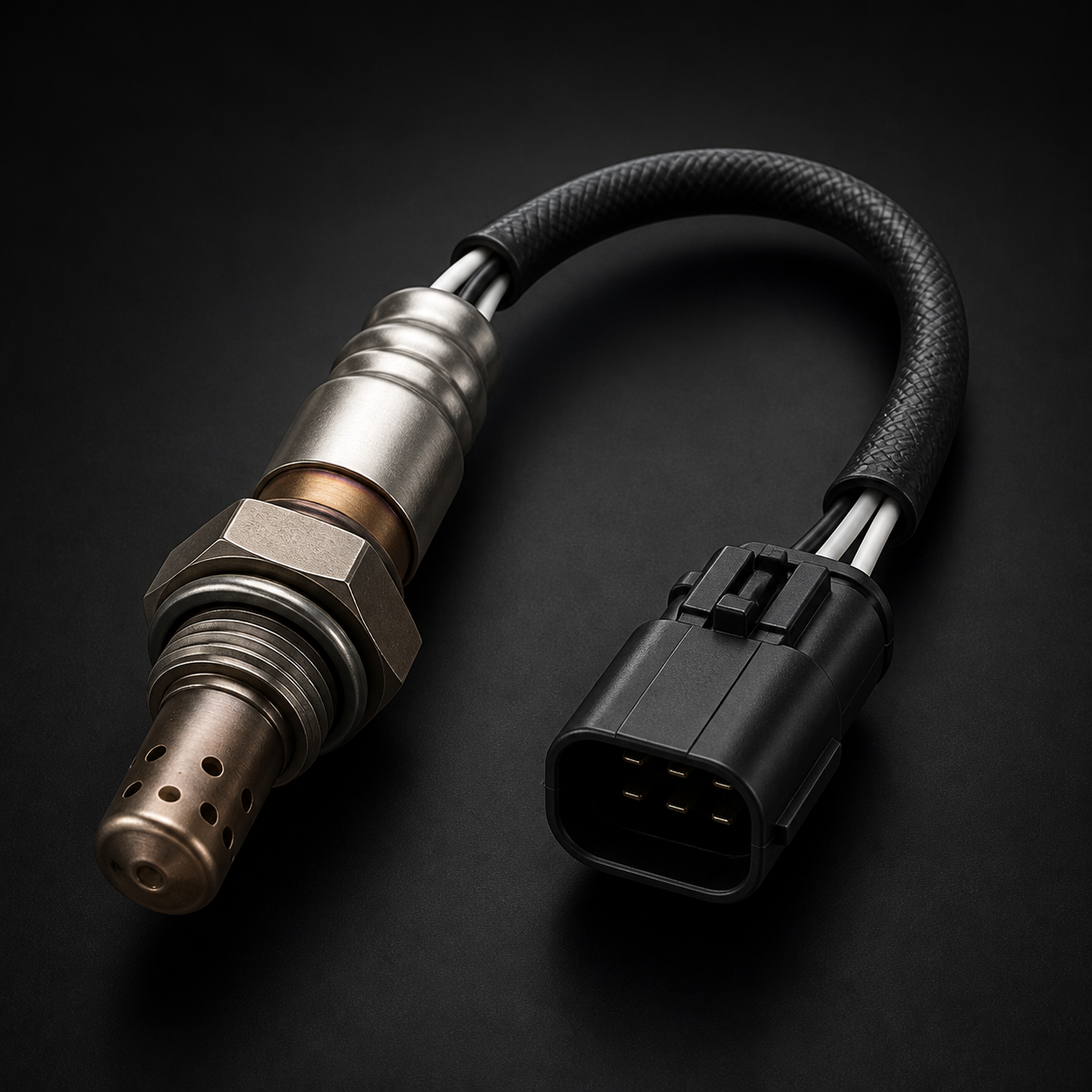
Fitment Required · Vehicle-fitment part
Relevant when catalyst-efficiency or emissions faults persist after proper diagnosis.
Catalyst-efficiency faults sometimes point toward converter problems after proper testing.
Catalytic converters are highly vehicle-specific and should not be purchased by code alone.
View options on AmazonThese parts may be related to this fault category, but a code by itself does not confirm exact fitment or guarantee that replacing a part will solve the problem.