• Check Engine Light is on
• Possible fuel odor
• Decreased fuel efficiency
• Faulty EVAP Fuel Vapor Temperature Sensor
• Wiring issues or poor electrical connections
• Malfunctioning ECM
EVAP: Evaporative Emission Control System, which prevents fuel vapors from escaping into the atmosphere.
ECM: Engine Control Module, the computer that manages engine functions.
• P2025
• P0455
EVAP Fuel Vapor Temperature Sensor Circuit
Your car has a system that helps control the gas fumes from the fuel tank. This code means there's a problem with the sensor that checks the temperature of those fumes.
The P2024 code indicates an issue with the circuit of the sensor that measures the temperature of fuel vapors in the EVAP system.
The EVAP (Evaporative Emission Control System) Fuel Vapor Temperature Sensor is responsible for monitoring the temperature of fuel vapors in the system. This data is used by the engine control module (ECM) to optimize fuel vapor management. A P2024 code is triggered when the ECM detects a malfunction in the sensor's circuit, which could be due to electrical issues or sensor failure.
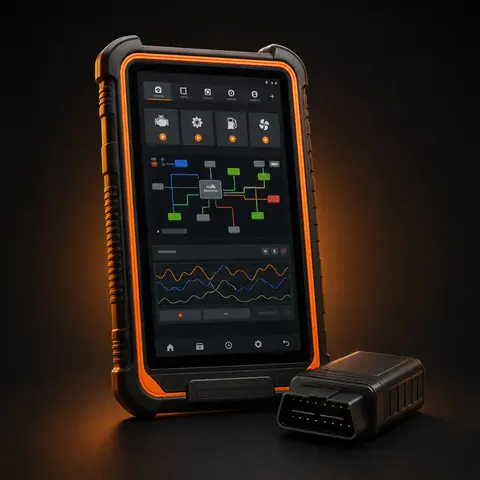
• Use an OBD-II scanner to confirm the code.
• Inspect the EVAP Fuel Vapor Temperature Sensor and its wiring.
• Test the sensor for proper operation using a multimeter.
• Replace the EVAP Fuel Vapor Temperature Sensor if faulty.
• Repair or replace damaged wiring or connectors.
• Reprogram or replace the ECM if necessary.
• OBD-II Scanner
• Multimeter
• Basic hand tools
$100 - $300
Moderate
• Toyota Camry
• Honda Accord
• Ford F-150
• Regularly inspect EVAP system components.
• Ensure proper maintenance of electrical connections.
• Use quality fuel to minimize vapor issues.
Sensor Issue
• Have the issue diagnosed and repaired promptly to avoid further problems.
• Regularly check for any fuel odors or leaks.
Check with your vehicle manufacturer for specific warranty coverage on emissions-related components.
The P2024 code has been associated with vehicles that have aging EVAP systems, particularly in regions with extreme temperature variations.
Moderate – Should be addressed soon to maintain vehicle efficiency and emissions compliance.
Driving with a malfunctioning EVAP system may lead to increased emissions, which could be illegal in some areas.
• Vehicle at operating temperature
• Adequate fuel level in the tank
The EVAP Fuel Vapor Temperature Sensor is typically located near the fuel tank or along the EVAP system lines.
Q: Can I drive with a P2024 code?
A: While you can drive with this code, it's best to address it soon to avoid emissions issues and potential fuel efficiency loss.
Q: How can I prevent a P2024 code?
A: Regular maintenance and inspection of the EVAP system can help prevent this code.