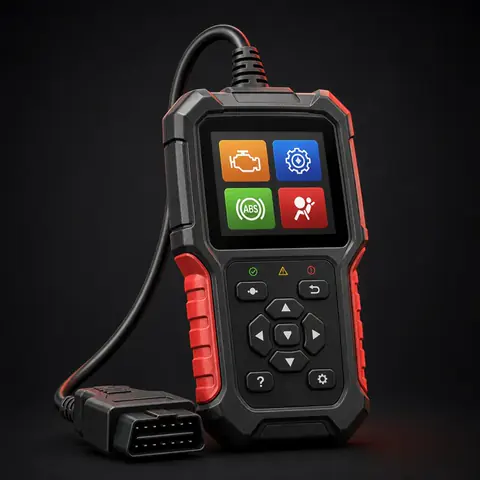
Pro · Four-system diagnostics
FOXWELL Multi-System Scanner
A handheld scanner aimed at engine, transmission, ABS, and airbag diagnostic work.
Chassis and ABS faults usually need a scanner that can read brake-system data directly.
View on Amazon
Easy one-page printout for the garage or repair shop
This summary uses the existing diagnostic information shown in full below.
This code means that the car's computer thinks the air conditioning system doesn't have enough pressure. It's like trying to blow up a balloon, but there's a hole, so it can't get full.
The A/C refrigerant pressure sensor 'A' is reporting a pressure that is too low, indicating a potential issue with the refrigerant level or sensor.
The P1D33 code is triggered when the Powertrain Control Module (PCM) detects that the A/C refrigerant pressure sensor 'A' is reading a pressure value that is below the expected range. This could indicate a refrigerant leak, a faulty sensor, or an electrical issue in the sensor circuit.
• A/C not cooling properly
• A/C system may not turn on
• Check Engine Light illuminated
• Low refrigerant level
• Faulty A/C refrigerant pressure sensor
• Electrical issues in the sensor circuit
PCM: Powertrain Control Module
Refrigerant: A fluid used in A/C systems to absorb and release heat
• Check the refrigerant level in the A/C system.
• Inspect the A/C refrigerant pressure sensor and its wiring.
• Test the sensor for proper operation using a multimeter.
• Recharge the A/C system with the correct amount of refrigerant.
• Replace the A/C refrigerant pressure sensor if faulty.
• Repair any damaged wiring or connectors in the sensor circuit.
• Refrigerant gauge
• Multimeter
• A/C manifold gauge set
$150 - $400
Moderate
• Honda Accord
• Toyota Camry
• Ford Focus
• Regularly check A/C system for leaks.
• Ensure proper refrigerant levels during maintenance.
• Inspect A/C system components periodically.
Sensor Issue
• Get your A/C system checked by a professional if you notice it isn't cooling properly.
• Regular maintenance can prevent this issue.
Check with your vehicle manufacturer for warranty coverage on A/C components.
This code has been commonly associated with vehicles that have aging A/C systems or those that have not been serviced regularly.
Moderate – The A/C system may not function properly, affecting comfort, but it's not an immediate safety concern.
Driving with a malfunctioning A/C system is not a safety hazard but may be uncomfortable in hot weather.
• Vehicle engine running
• A/C system activated
The A/C refrigerant pressure sensor is typically located near the A/C compressor or on the high-pressure line of the A/C system.
Q: Can I drive with a P1D33 code?
A: Yes, but your A/C may not work properly, which can be uncomfortable in hot weather.
Q: Will fixing this code improve my car's performance?
A: Fixing this code will not improve engine performance, but it will restore A/C functionality.
Pro · Four-system diagnostics
A handheld scanner aimed at engine, transmission, ABS, and airbag diagnostic work.
Chassis and ABS faults usually need a scanner that can read brake-system data directly.
View on Amazon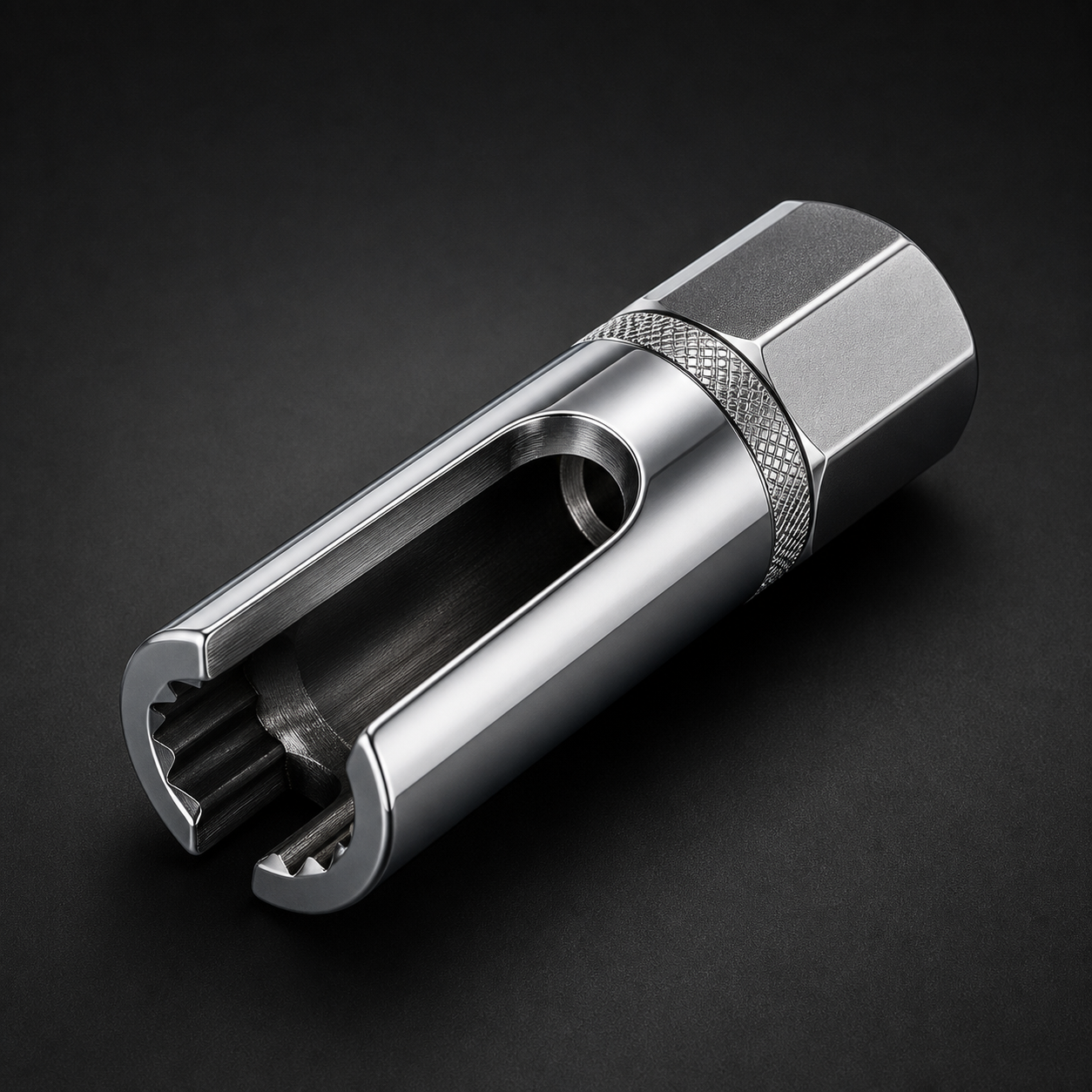
Universal · Torque wrench
Useful when reassembly torque matters for wheel, suspension, and under-hood fasteners.
Useful when wheel, hub, or suspension hardware needs correct reassembly torque.
View on Amazon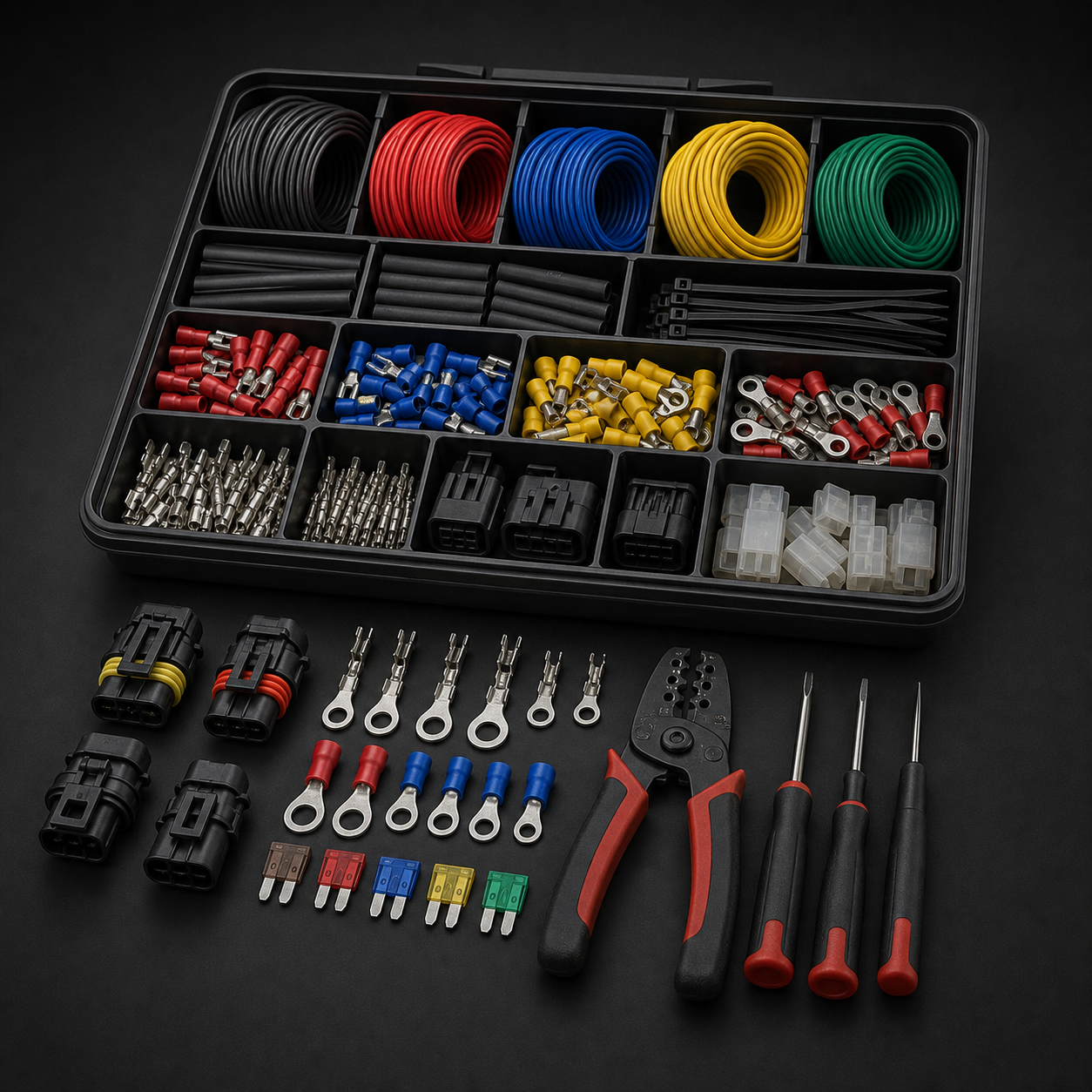
Universal · Drive-on ramps
Helpful for safer access underneath the vehicle during exhaust, EVAP, and underbody inspection work.
Helpful for safer access during underbody inspection work.
View on AmazonThese are optional diagnostic tools, not guaranteed fixes. As an Amazon Associate I earn from qualifying purchases.