• A/C system not cooling properly
• Warning light on the dashboard
• Possible overheating of the A/C compressor
• Faulty internal temperature sensor 'B'
• Overheating of the A/C compressor
• Electrical issues within the control module
A/C: Air Conditioning
Compressor: A component that compresses and circulates refrigerant in the A/C system
• P1D21
• P1D22
The car's air conditioning system has a sensor that checks how hot it is inside the part that cools the air. This sensor is saying it's too hot.
The internal temperature sensor 'B' within the electric A/C compressor control module is detecting a temperature that is higher than the expected range.
The P1D20 code indicates that the Electric A/C Compressor Control Module has detected an internal temperature sensor 'B' reading that is higher than the normal operating range. This could be due to a malfunctioning sensor, an overheating issue, or a fault within the control module itself.
• Check for any stored codes and freeze frame data.
• Inspect the A/C compressor for signs of overheating.
• Test the internal temperature sensor 'B' for proper operation.
• Replace the faulty internal temperature sensor 'B'.
• Repair or replace the A/C compressor if overheating is detected.
• Inspect and repair any electrical issues in the control module.
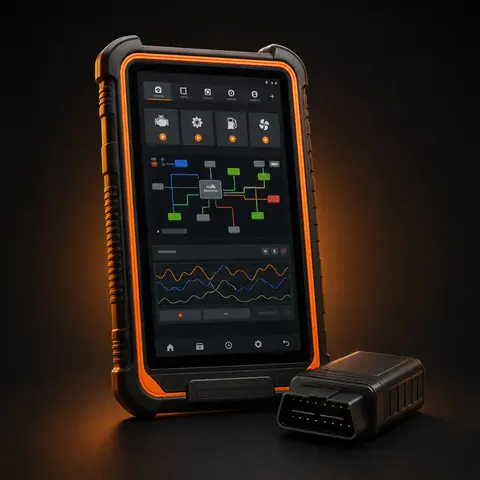
• OBD-II scanner
• Multimeter
• Thermal camera or infrared thermometer
$200 - $800
Moderate
• Honda Accord
• Honda Civic
• Acura MDX
• Regularly service the A/C system.
• Ensure proper airflow to the A/C compressor.
• Check for any leaks or blockages in the system.
Sensor Issue
• Do not ignore the warning light; get it checked soon.
• Avoid using the A/C until the issue is resolved to prevent further damage.
Check if the vehicle's warranty covers A/C system components.
This code has been reported in vehicles with electric A/C compressors, particularly in models with advanced climate control systems.
Moderate – Addressing this issue soon can prevent further damage to the A/C system.
Driving with a malfunctioning A/C system can lead to discomfort and potential overheating issues.
• Vehicle must be running with the A/C system on.
• Ambient temperature should be within normal operating range.
The electric A/C compressor is typically located in the engine bay, connected to the engine via belts and hoses.
Q: What does the P1D20 code mean?
A: It means the internal temperature sensor 'B' in the A/C compressor is reading too high.
Q: Can I drive with the P1D20 code?
A: It's best to get it checked soon to avoid further damage to the A/C system.