• Check engine light illuminated
• Erratic battery charging behavior
• Battery overheating or undercharging
• Faulty battery temperature sensor
• Damaged or corroded wiring/connectors
• Malfunctioning control module
OBD-II: On-Board Diagnostics, a system for monitoring vehicle performance.
Control Module: A computer in the vehicle that manages various functions.
• P0562
• P0563
This code means there's a problem with the sensor that checks the battery's temperature. It's like a thermometer for the battery, and it might be broken or not working right.
The P150D code is triggered when the vehicle's control module detects an issue with the battery temperature sensor, which is responsible for monitoring the battery's temperature to ensure it operates within safe limits.
The battery temperature sensor provides critical data to the vehicle's control module to adjust charging rates and prevent battery overheating. A P150D code indicates that the sensor is reporting values outside the expected range, which could be due to a faulty sensor, wiring issues, or a malfunction in the control module.
• Scan the vehicle for additional trouble codes.
• Inspect the battery temperature sensor and wiring for damage.
• Test the sensor's resistance and compare it to specifications.
• Replace the faulty battery temperature sensor.
• Repair or replace damaged wiring/connectors.
• Reprogram or replace the control module if necessary.
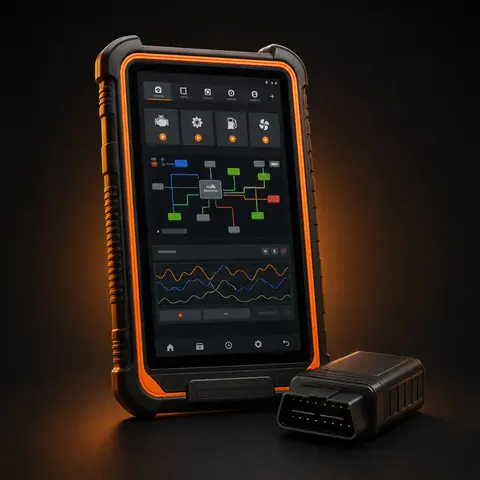
• OBD-II scanner
• Multimeter
• Wiring repair kit
$100 - $300
Moderate
• Toyota Prius
• Honda Accord Hybrid
• Chevrolet Volt
• Regularly inspect battery connections and wiring.
• Ensure the battery is properly maintained.
• Avoid exposing the battery to extreme temperatures.
Sensor Issue
• Have your vehicle inspected by a professional.
• Avoid driving long distances until the issue is resolved.
Check with your vehicle manufacturer; sensor issues may be covered under warranty.
The P150D code has been associated with hybrid and electric vehicles where battery management is critical.
Moderate – While not immediately dangerous, ignoring this issue can lead to battery damage.
Driving with a faulty battery sensor can lead to battery failure, which may cause the vehicle to stall unexpectedly.
• Vehicle at operating temperature
• Battery fully charged
The battery temperature sensor is typically located near or on the battery itself.
Q: Can I drive with a P150D code?
A: It's not recommended, as it may lead to battery issues or failure.
Q: How do I reset the P150D code?
A: Fix the underlying issue, then use an OBD-II scanner to clear the code.