• Check Engine Light illuminated
• Reduced engine performance
• Unusual engine noises
• Faulty DISA actuator
• Broken or stuck actuator flap
• Wiring issues or poor electrical connection
DISA: Differentiated Intake System Actuator
RPM: Revolutions Per Minute
• P14C3
• P14C4
This code means that a part in your car's engine that helps control air flow isn't working right. It's like a door that opens and closes to let air in, but it's stuck or broken.
The DISA actuator is responsible for adjusting the intake manifold to optimize air flow into the engine. A mechanical or hardware defect means it can't perform its function properly.
The DISA actuator is a component within the intake manifold system that adjusts the length of the intake runners to improve engine performance at different RPMs. A mechanical or hardware defect indicates that the actuator is either stuck, broken, or unable to move as intended, which can affect engine efficiency and performance.
• Perform a visual inspection of the DISA actuator and its connections.
• Use a diagnostic scanner to check for related trouble codes.
• Test the actuator's mechanical movement and electrical signals.
• Replace the faulty DISA actuator.
• Repair or replace damaged wiring or connectors.
• Ensure the actuator flap moves freely.
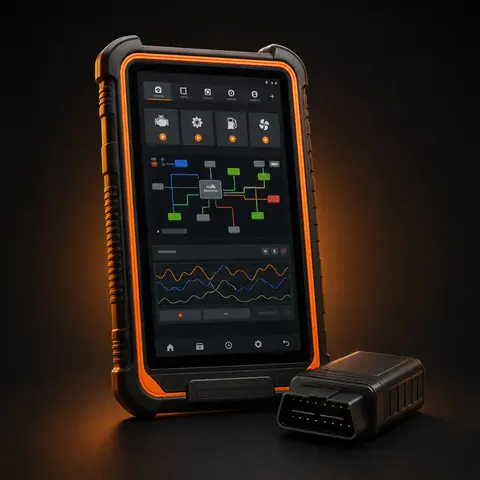
• OBD-II scanner
• Multimeter
• Basic hand tools (screwdrivers, wrenches)
$200 - $500
Moderate
• BMW 3 Series
• BMW 5 Series
• Mini Cooper
• Regular maintenance checks of the intake system
• Ensure clean air filters
• Avoid harsh driving conditions
Engine Performance
• Have the issue diagnosed and repaired promptly to avoid further engine damage.
• Consider regular engine inspections to catch similar issues early.
Check with your vehicle manufacturer or dealer for warranty coverage related to engine components.
This code is commonly associated with vehicles that have variable intake manifold systems, particularly in European models.
Moderate – While the vehicle may still be drivable, reduced performance and efficiency can lead to further issues if not addressed.
Driving with a malfunctioning intake system can lead to increased emissions and reduced fuel efficiency.
• Engine at operating temperature
• Vehicle at idle and varying RPMs
The DISA actuator is typically located on the intake manifold, which is on the top of the engine.
Q: Can I drive my car with a P14C2 code?
A: While you can drive with this code, it's not recommended as it can lead to reduced engine performance and efficiency.
Q: How can I prevent DISA actuator issues?
A: Regular maintenance and inspections of the intake system can help prevent issues with the DISA actuator.