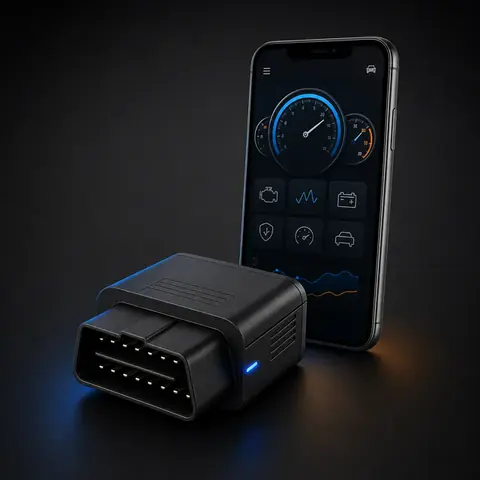
Budget · Bluetooth scanner
BlueDriver Pro Next
An app-based scanner with repair reports and enhanced system diagnostics on supported vehicles.
Helpful when live data and repair-report guidance can narrow down a drivability issue.
View on Amazon
Easy one-page printout for the garage or repair shop
This summary uses the existing diagnostic information shown in full below.
Your car has a sensor that listens for knocking noises in the engine. This code means that one of those sensors is getting too much power or sending too strong a signal.
The knock sensor detects vibrations caused by engine knocking and sends a signal to the engine control unit (ECU). A 'high' circuit code indicates that the signal voltage is higher than expected.
P13D7 is triggered when the ECU detects a high voltage signal from Knock Sensor 4 Circuit 'B' on Bank 2. This could be due to a short circuit, a faulty sensor, or wiring issues.
• Check Engine Light (CEL) is on
• Engine knocking noise
• Reduced engine performance
• Poor fuel economy
• Faulty knock sensor
• Short circuit in the wiring
• Poor electrical connection
• ECU malfunction
Knock Sensor: A device that detects engine knocking or pinging.
ECU: Engine Control Unit, the computer that manages engine functions.
• Use an OBD-II scanner to confirm the code.
• Inspect the wiring and connections to the knock sensor.
• Test the knock sensor for proper operation.
• Check the ECU for any faults.
• Replace the faulty knock sensor.
• Repair or replace damaged wiring or connectors.
• Clear the code and test drive the vehicle.
• Update or reprogram the ECU if necessary.
• OBD-II scanner
• Multimeter
• Wrench set
• Screwdriver set
$150 - $400
Moderate
• Toyota Camry
• Honda Accord
• Ford F-150
• Regularly inspect and maintain engine components.
• Ensure proper engine tuning.
• Use high-quality fuel.
Sensor Issue
• Avoid hard acceleration until the issue is resolved.
• Have the vehicle inspected by a professional mechanic.
Check with the vehicle manufacturer for warranty coverage on engine sensors.
Knock sensor issues have been common in vehicles with advanced engine management systems, particularly in models from the early 2000s.
Moderate – Addressing this issue promptly can prevent engine damage.
Ignoring this code may lead to increased emissions and potential engine damage.
• Engine at operating temperature
• Vehicle in a quiet environment
The knock sensor is typically located on the engine block, cylinder head, or intake manifold.
Q: Can I drive with a P13D7 code?
A: While the car may still drive, it's best to address the issue to avoid potential engine damage.
Q: What happens if I ignore this code?
A: Ignoring the code can lead to engine knocking, reduced performance, and increased fuel consumption.
Budget · Bluetooth scanner
An app-based scanner with repair reports and enhanced system diagnostics on supported vehicles.
Helpful when live data and repair-report guidance can narrow down a drivability issue.
View on Amazon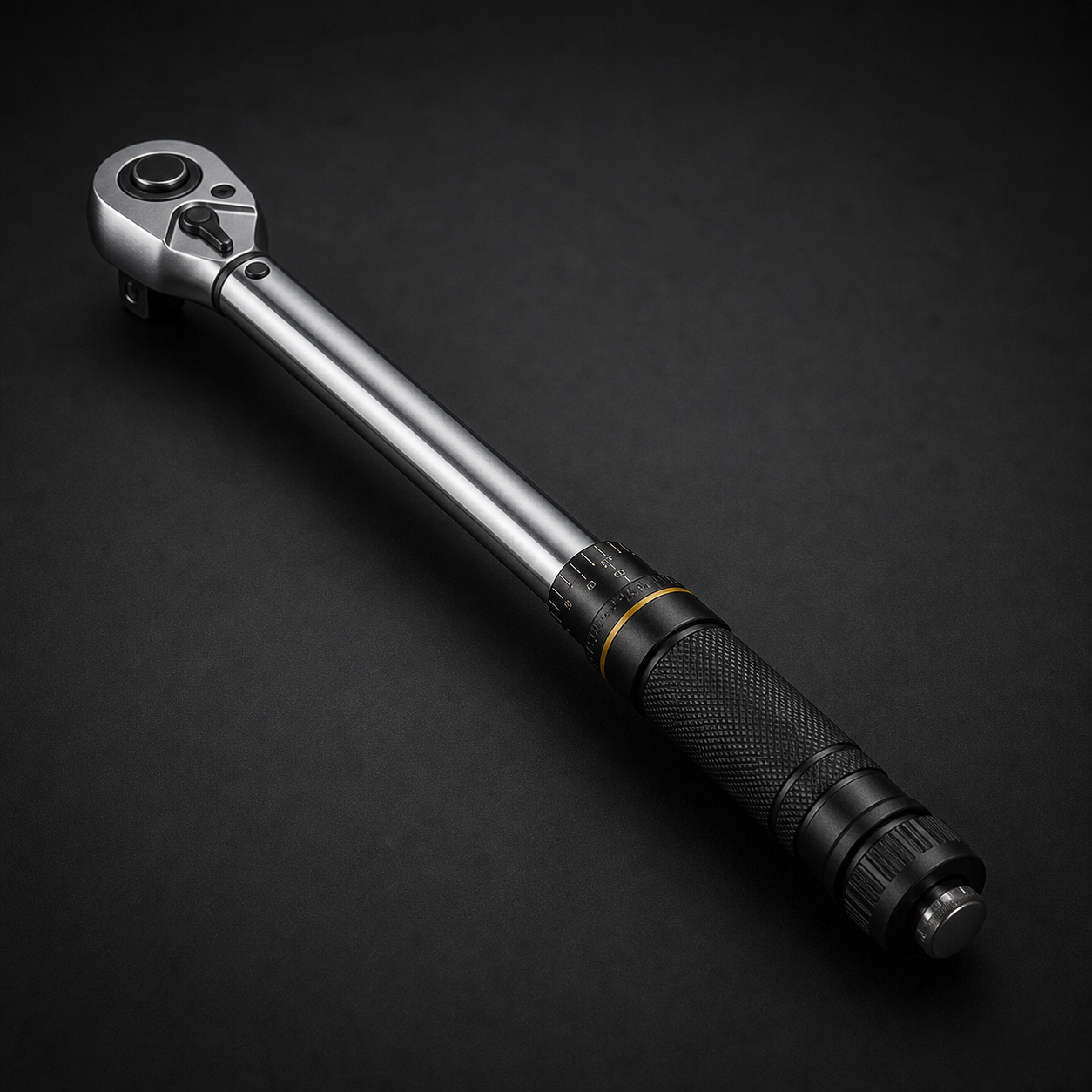
Specialty · Fuel pressure tester
Helpful for no-start, lean, rich, injector, and fuel-delivery diagnosis.
Useful for checking whether fuel delivery is contributing to the fault.
View on Amazon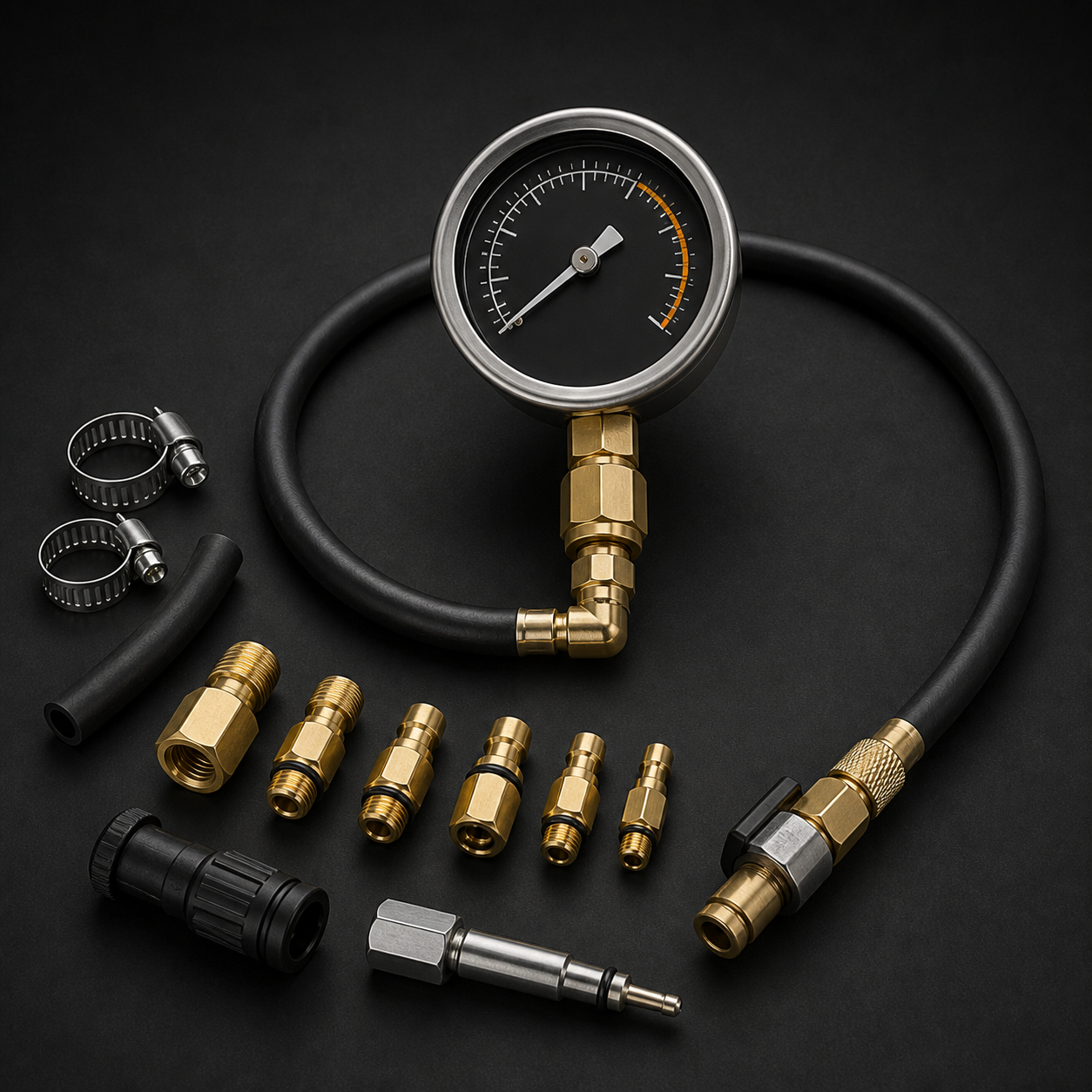
Specialty · Compression tester
Useful when misfire, mechanical condition, or low-cylinder-pressure problems are suspected.
Helpful when you need to rule out low compression or mechanical engine problems.
View on AmazonThese are optional diagnostic tools, not guaranteed fixes. As an Amazon Associate I earn from qualifying purchases.