• Reduced engine performance
• Check Engine Light is on
• Poor acceleration
• Faulty boost pressure positioner
• Short circuit in the wiring
• Malfunctioning turbocharger control module
Boost Pressure: The pressure created by the turbocharger to increase engine power.
Turbocharger: A device that increases an engine's efficiency and power output by forcing extra air into the combustion chamber.
• P1250
• P1252
Boost Pressure Positioner Circuit High
This code means that the car's computer has detected a problem with the part that controls how much air goes into the engine to make it go faster. It's like when you blow too much air into a balloon and it might pop.
The P1251 code indicates that the voltage in the boost pressure positioner circuit is higher than expected, suggesting an electrical issue.
The boost pressure positioner is responsible for regulating the turbocharger's boost pressure. A high circuit signal usually indicates an electrical fault, such as a short circuit or a malfunctioning component, which affects the boost pressure control.
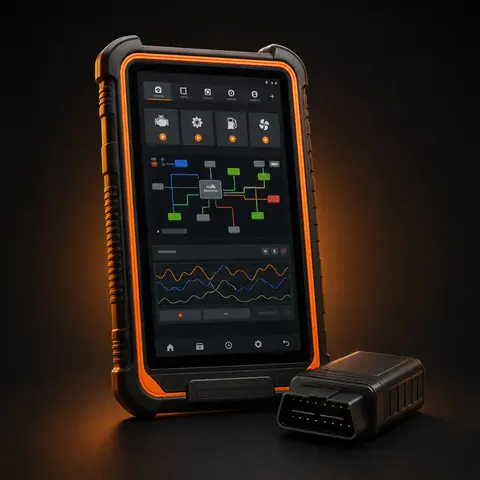
• Use an OBD-II scanner to confirm the code.
• Inspect the wiring and connectors for damage.
• Test the boost pressure positioner for correct operation.
• Repair or replace damaged wiring or connectors.
• Replace the faulty boost pressure positioner.
• Reprogram or replace the turbocharger control module if necessary.
• OBD-II scanner
• Multimeter
• Wrench set
$200 - $600
Moderate
• Toyota Camry
• Lexus RX
• Subaru Forester
• Regularly inspect electrical connections.
• Perform routine maintenance on the turbocharger.
• Avoid aggressive driving habits that can stress the turbo system.
Sensor Issue
• Do not ignore the Check Engine Light.
• Get the vehicle inspected by a professional if unsure.
• Avoid driving aggressively until the issue is resolved.
Check with the vehicle manufacturer for warranty coverage on turbocharger components.
This code has been reported in vehicles with turbocharged engines, especially those with higher mileage.
Moderate – While the vehicle may still be drivable, it is recommended to address the issue soon to avoid further damage.
Driving with a malfunctioning turbocharger can lead to increased emissions and may not comply with local environmental regulations.
• Engine at operating temperature
• Vehicle in a controlled environment
The boost pressure positioner is typically located near the turbocharger on the engine.
Q: Can I drive with a P1251 code?
A: It's possible to drive, but it's not recommended as it can lead to further engine damage.
Q: How can I prevent this code from appearing?
A: Regular maintenance and avoiding aggressive driving can help prevent this issue.