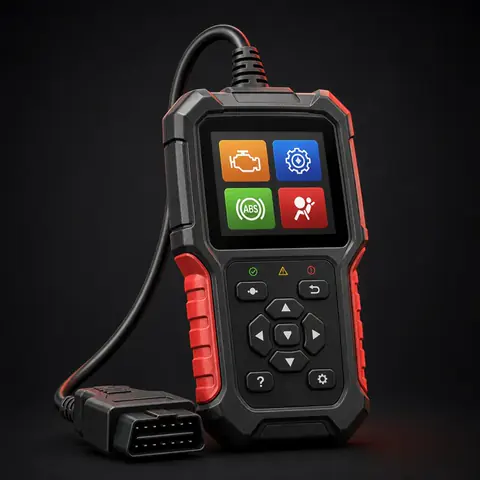
Pro · Four-system diagnostics
FOXWELL Multi-System Scanner
A handheld scanner aimed at engine, transmission, ABS, and airbag diagnostic work.
Chassis and ABS faults usually need a scanner that can read brake-system data directly.
View on Amazon
Easy one-page printout for the garage or repair shop
This summary uses the existing diagnostic information shown in full below.
This code means that a sensor in the car that checks for leaks in the gas tank system is reading a pressure that's too low. It's like when a balloon loses air and gets squishy.
The EVAP (Evaporative Emission Control) system prevents fuel vapors from escaping into the atmosphere. The differential pressure sensor monitors the pressure in the system to ensure it's working correctly. This code indicates that the sensor is detecting a pressure lower than expected.
The P11C7 code is triggered when the EVAP system's differential pressure sensor reports an absolute pressure reading that is below the expected threshold. This could indicate a leak, sensor malfunction, or other issues within the EVAP system.
• Check engine light is on
• Possible fuel smell
• Decreased fuel efficiency
• Faulty EVAP differential pressure sensor
• Leaking or damaged EVAP hoses
• Faulty purge or vent valve
EVAP: Evaporative Emission Control System
OBD-II: On-Board Diagnostics, Second Generation
• Use an OBD-II scanner to confirm the code
• Inspect EVAP hoses for leaks or damage
• Test the EVAP differential pressure sensor
• Replace faulty EVAP differential pressure sensor
• Repair or replace damaged EVAP hoses
• Replace faulty purge or vent valve
• OBD-II scanner
• Multimeter
• Smoke machine for leak detection
$100 - $300
Moderate
• Toyota Camry
• Honda Accord
• Ford F-150
• Regularly inspect EVAP hoses and connections
• Ensure gas cap is tightly sealed
• Perform routine vehicle maintenance
Sensor Issue
• Do not ignore the check engine light
• Have your vehicle inspected by a professional
• Avoid overfilling the gas tank
Check with your vehicle manufacturer for warranty coverage on emissions-related components.
This code is relatively uncommon but can occur due to aging components in the EVAP system.
Moderate – It should be addressed soon to prevent potential emissions issues.
Driving with a malfunctioning EVAP system can lead to increased emissions, which may not comply with legal standards.
• Vehicle at operating temperature
• Gas cap securely tightened
The EVAP differential pressure sensor is typically located near the fuel tank or along the EVAP lines.
Q: Can I drive with a P11C7 code?
A: You can drive for a short period, but it's best to fix the issue soon to avoid emissions problems.
Q: Will a P11C7 code affect my car's performance?
A: It may not affect performance immediately, but it can lead to decreased fuel efficiency and potential emissions issues.
Pro · Four-system diagnostics
A handheld scanner aimed at engine, transmission, ABS, and airbag diagnostic work.
Chassis and ABS faults usually need a scanner that can read brake-system data directly.
View on Amazon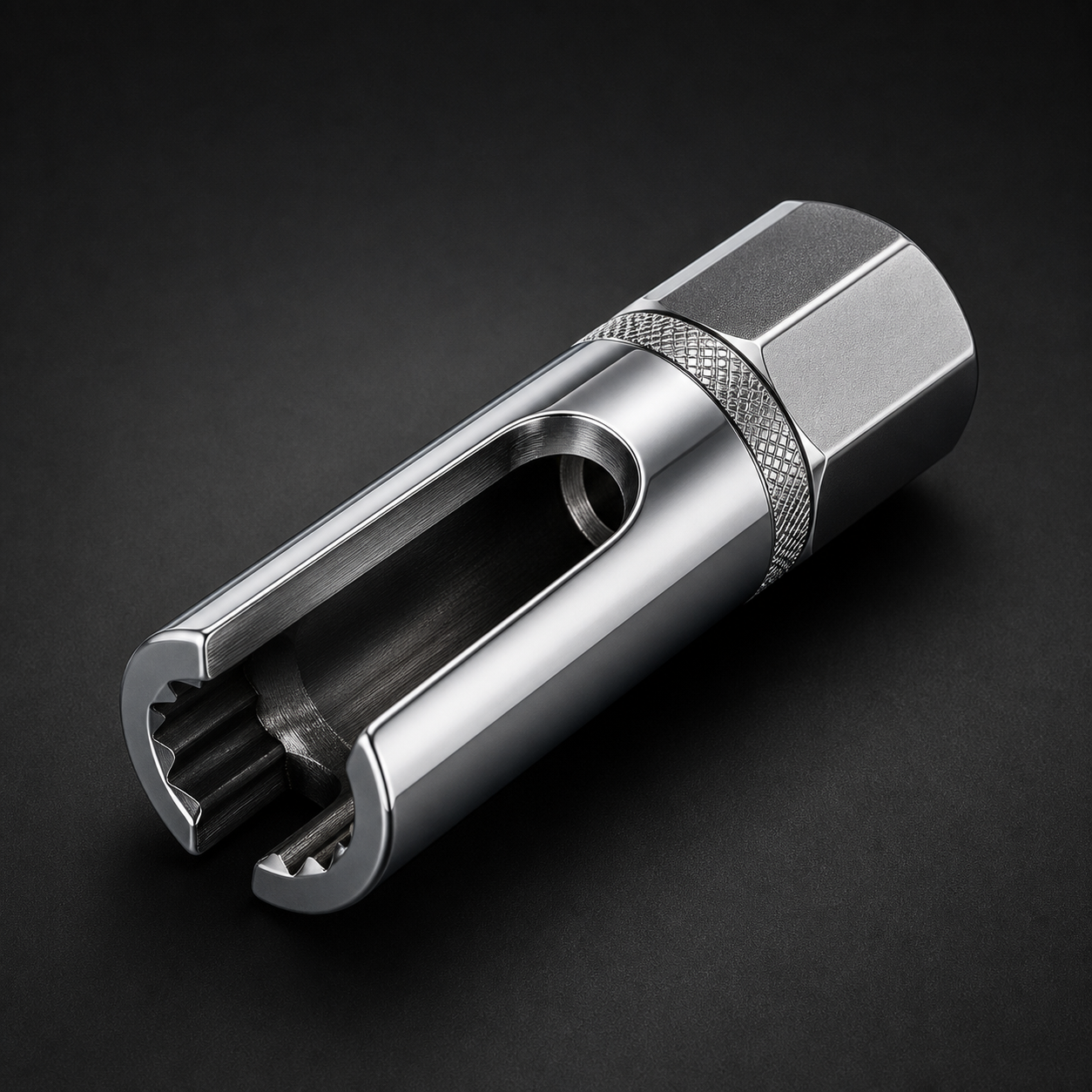
Universal · Torque wrench
Useful when reassembly torque matters for wheel, suspension, and under-hood fasteners.
Useful when wheel, hub, or suspension hardware needs correct reassembly torque.
View on Amazon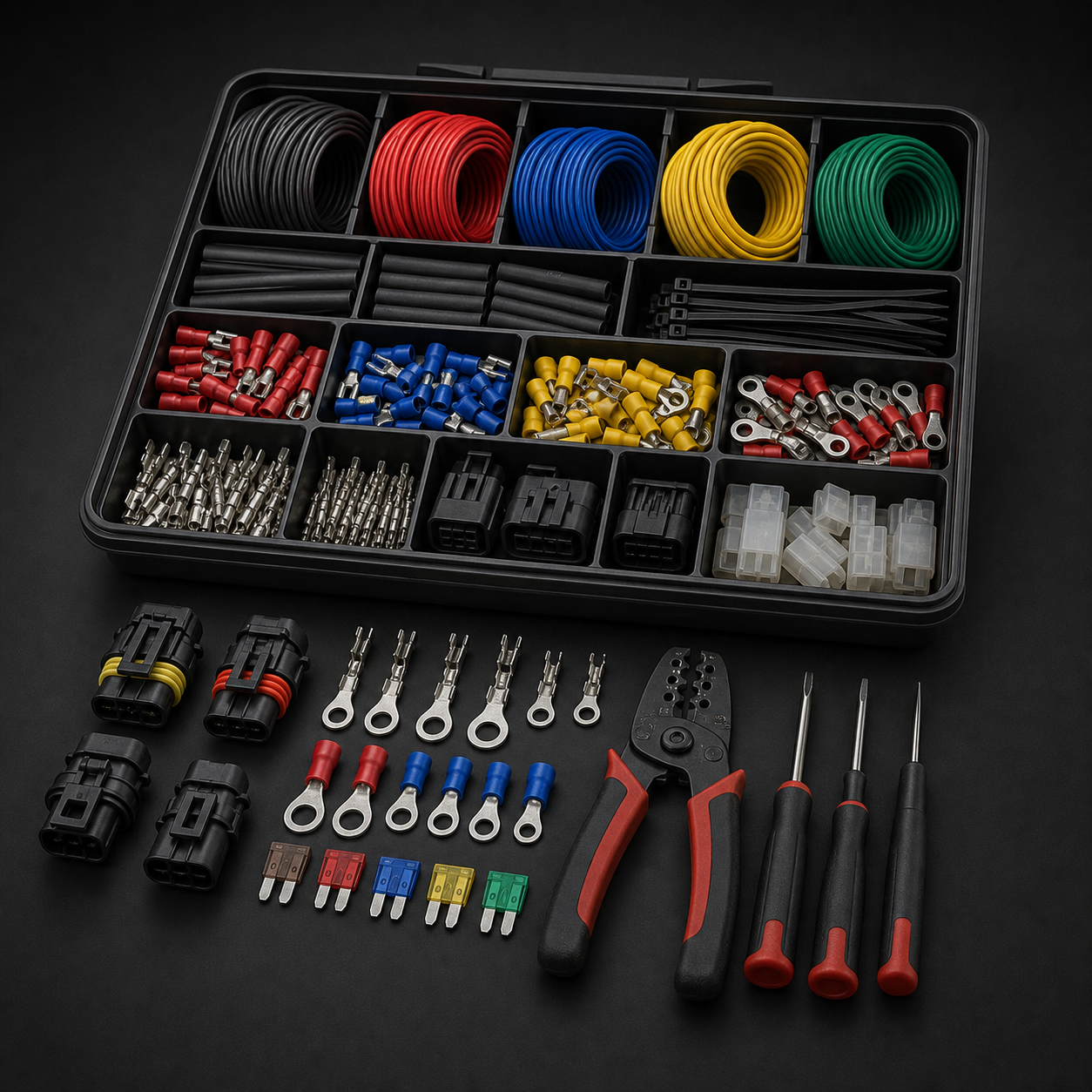
Universal · Drive-on ramps
Helpful for safer access underneath the vehicle during exhaust, EVAP, and underbody inspection work.
Helpful for safer access during underbody inspection work.
View on AmazonThese are optional diagnostic tools, not guaranteed fixes. As an Amazon Associate I earn from qualifying purchases.
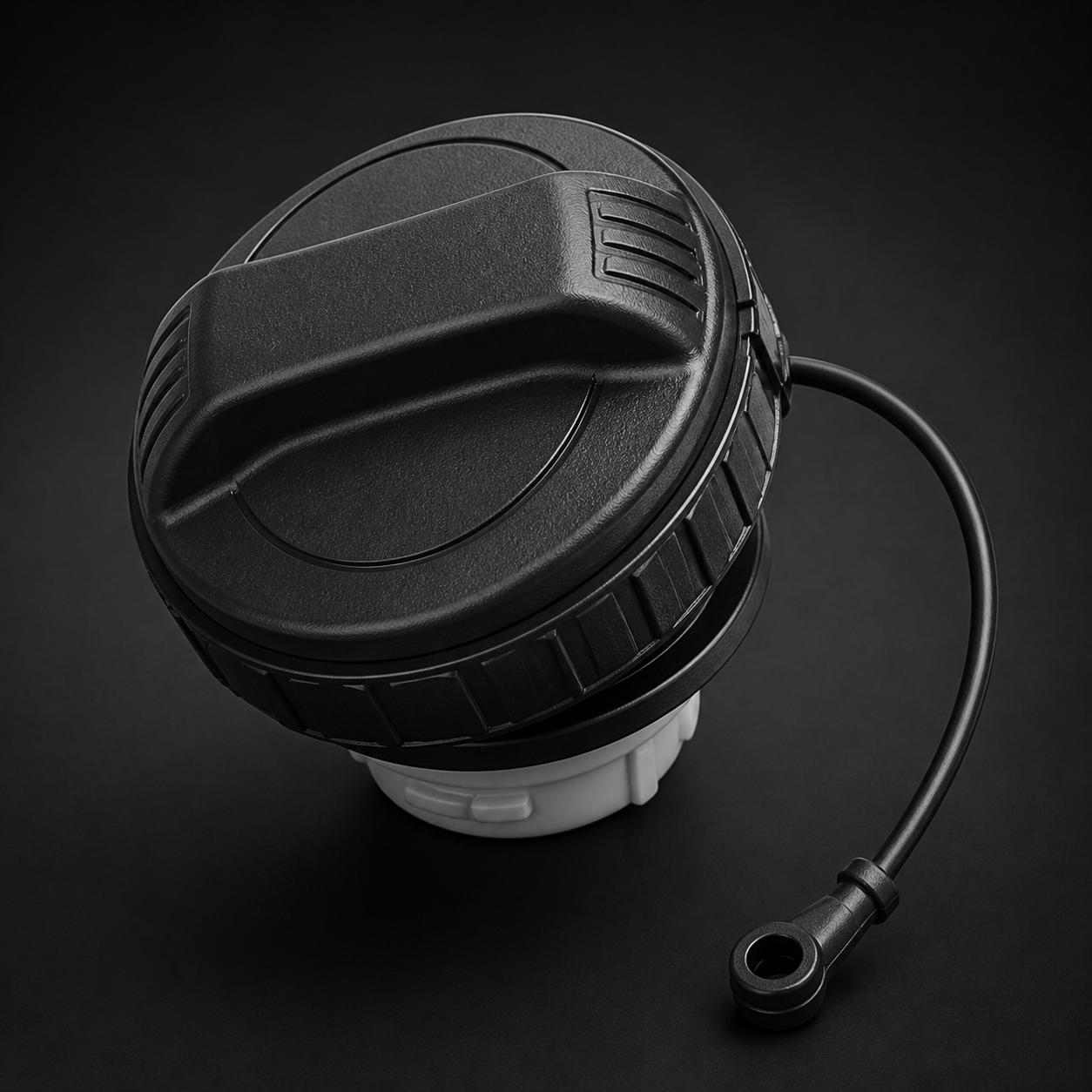
Fitment Required · Vehicle-fitment part
Relevant when EVAP diagnosis points toward purge-flow or purge-control faults.
EVAP diagnosis often includes purge-flow and valve-control faults.
Confirm the failed valve and exact fitment before buying parts.
View options on AmazonThese parts may be related to this fault category, but a code by itself does not confirm exact fitment or guarantee that replacing a part will solve the problem.