• Reduced engine power
• Poor acceleration
• Check Engine Light illuminated
• Faulty turbocharger or supercharger
• Leaking or damaged intercooler
• Faulty charge air pressure sensor
ECM: Engine Control Module
Turbocharger: A device that increases engine power by forcing more air into the combustion chamber
• P1182
• P1184
Charge Air Pressure in Comparison to Barometric Pressure Too Low (Bank 2)
This code means that the car's computer thinks the air going into the engine isn't being pushed in as hard as it should be. It's like trying to blow up a balloon, but not blowing hard enough.
The vehicle's engine control module (ECM) has detected that the charge air pressure (boost pressure) is lower than expected when compared to the barometric pressure, specifically in Bank 2 of the engine.
The ECM monitors the charge air pressure sensor to ensure that the turbocharger or supercharger is providing the correct amount of boost pressure. If the pressure is too low compared to the barometric pressure, it indicates a potential issue with the turbocharger, supercharger, or related components. This can affect engine performance and efficiency.
• Check for any visible damage or leaks in the intercooler and associated piping.
• Inspect the turbocharger or supercharger for any signs of malfunction.
• Test the charge air pressure sensor for proper operation.
• Replace or repair the turbocharger or supercharger if faulty.
• Fix any leaks or replace damaged intercooler components.
• Replace the charge air pressure sensor if it is malfunctioning.
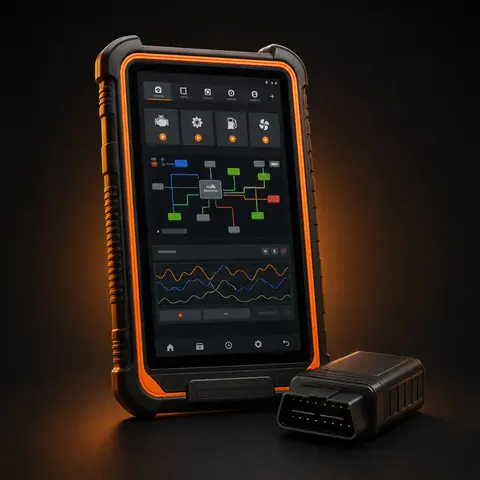
• OBD-II scanner
• Pressure gauge
• Multimeter
$300 - $1500
Moderate
• Volkswagen Golf
• Audi A4
• BMW 3 Series
• Regular maintenance of turbocharger system
• Inspect and replace air filters as needed
• Check for leaks in the air intake system
Engine Performance
• Avoid driving at high speeds until the issue is resolved.
• Consult a professional mechanic for a thorough diagnosis.
Check with your vehicle manufacturer; turbocharger components may be covered under powertrain warranty.
This code is commonly associated with vehicles that have turbocharged engines and is often seen in models with higher mileage.
Moderate – While the vehicle may still be drivable, performance and fuel efficiency can be significantly affected.
Driving with a malfunctioning turbocharger can lead to further engine damage and increased emissions.
• Engine at operating temperature
• Vehicle driven under load
The charge air pressure sensor is typically located near the intake manifold or intercooler piping.
Q: Can I drive with a P1183 code?
A: It's possible to drive, but it's not recommended due to reduced performance and potential for further damage.
Q: How do I know if my turbocharger is failing?
A: Symptoms include a whining noise, reduced power, and increased exhaust smoke.