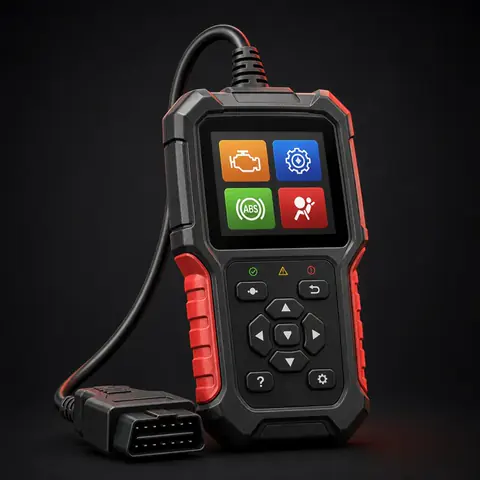
Pro · Four-system diagnostics
FOXWELL Multi-System Scanner
A handheld scanner aimed at engine, transmission, ABS, and airbag diagnostic work.
Chassis and ABS faults usually need a scanner that can read brake-system data directly.
View on Amazon
Easy one-page printout for the garage or repair shop
This summary uses the existing diagnostic information shown in full below.
This code means that the car's computer is getting a signal that the temperature sensor for the coolant (the liquid that keeps the engine from getting too hot) is too low, which might mean the sensor isn't working right.
The P1111 code indicates that the signal from the engine coolant temperature sensor located at the radiator outlet is below the expected range.
The Engine Control Module (ECM) monitors the voltage signal from the engine coolant temperature sensor at the radiator outlet. If the voltage is lower than the specified range, the ECM sets the P1111 code. This could be due to a malfunctioning sensor, wiring issues, or a problem with the ECM itself.
• Check Engine Light is on
• Poor fuel economy
• Engine overheating or running too cool
• Faulty engine coolant temperature sensor
• Wiring issues such as short circuits or poor connections
• Faulty ECM
ECM: Engine Control Module, the computer that manages engine functions.
Coolant: A fluid that absorbs heat from the engine to prevent overheating.
• Use an OBD-II scanner to confirm the code.
• Inspect the coolant temperature sensor and its wiring for damage.
• Test the sensor's resistance and compare it to specifications.
• Replace the faulty coolant temperature sensor.
• Repair or replace damaged wiring or connectors.
• Reprogram or replace the ECM if necessary.
• OBD-II scanner
• Multimeter
• Wrench set
$100 - $300
Moderate
• Ford Focus
• Chevrolet Malibu
• Toyota Camry
• Regularly check coolant levels and condition.
• Inspect wiring and connectors for damage.
• Perform regular vehicle maintenance.
Sensor Issue
• Avoid driving the vehicle until the issue is resolved to prevent engine damage.
• Consult a professional mechanic for accurate diagnosis and repair.
Check with your vehicle manufacturer for warranty coverage on engine sensors.
The P1111 code has been associated with sensor failures in various vehicle models over the years, often due to wear and tear.
Moderate – While the vehicle may still be drivable, ignoring the issue can lead to engine overheating or other problems.
Driving with a faulty engine coolant temperature sensor can lead to engine damage and increased emissions.
• Engine at operating temperature
• Stable ambient conditions
The engine coolant temperature sensor is typically located near the radiator outlet, often at the lower radiator hose.
Q: Can I drive with a P1111 code?
A: It's not recommended to drive with this code active, as it can lead to engine overheating.
Q: How do I clear a P1111 code?
A: After repairs, use an OBD-II scanner to clear the code. If the issue is fixed, the code should not return.
Pro · Four-system diagnostics
A handheld scanner aimed at engine, transmission, ABS, and airbag diagnostic work.
Chassis and ABS faults usually need a scanner that can read brake-system data directly.
View on Amazon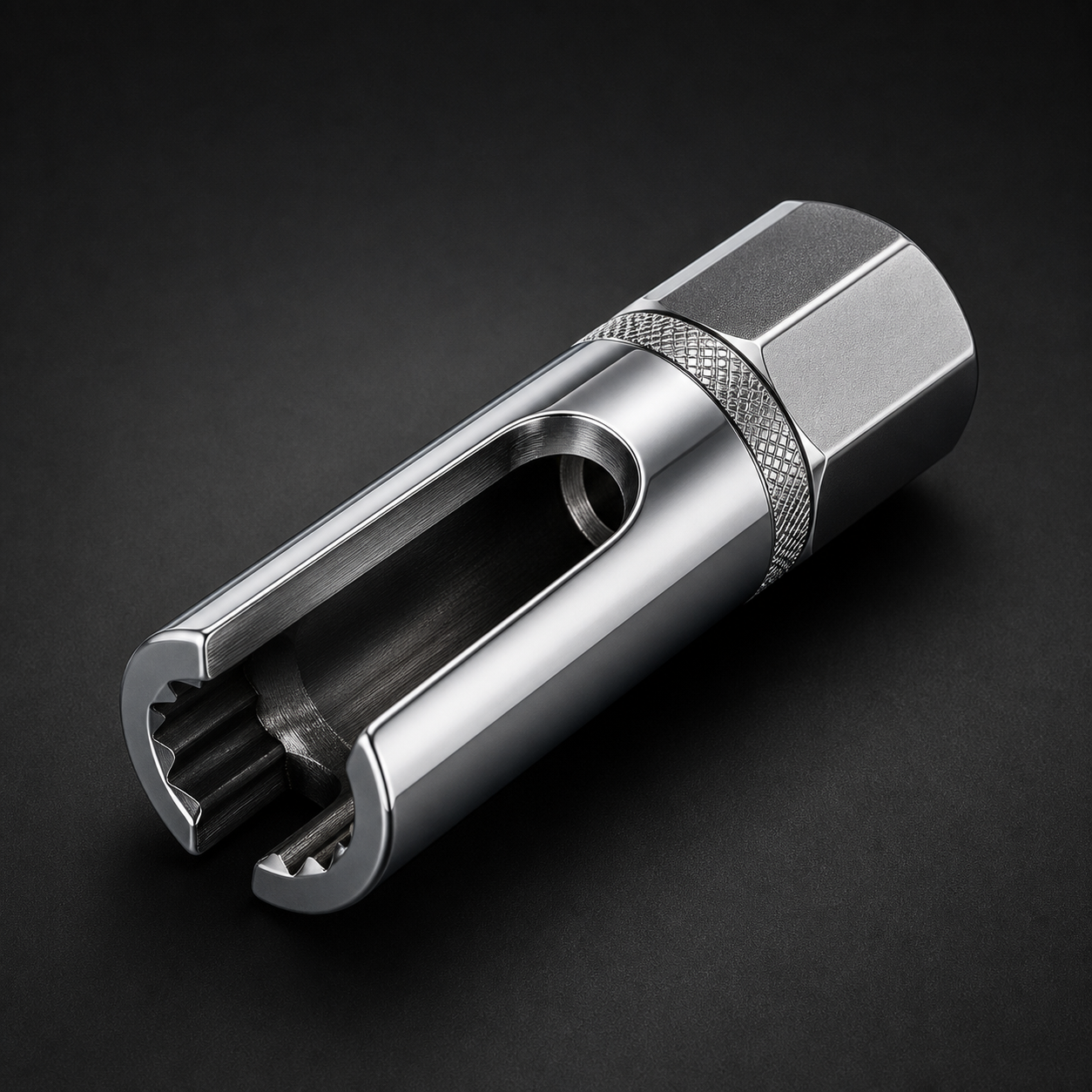
Universal · Torque wrench
Useful when reassembly torque matters for wheel, suspension, and under-hood fasteners.
Useful when wheel, hub, or suspension hardware needs correct reassembly torque.
View on Amazon
Universal · Drive-on ramps
Helpful for safer access underneath the vehicle during exhaust, EVAP, and underbody inspection work.
Helpful for safer access during underbody inspection work.
View on AmazonThese are optional diagnostic tools, not guaranteed fixes. As an Amazon Associate I earn from qualifying purchases.
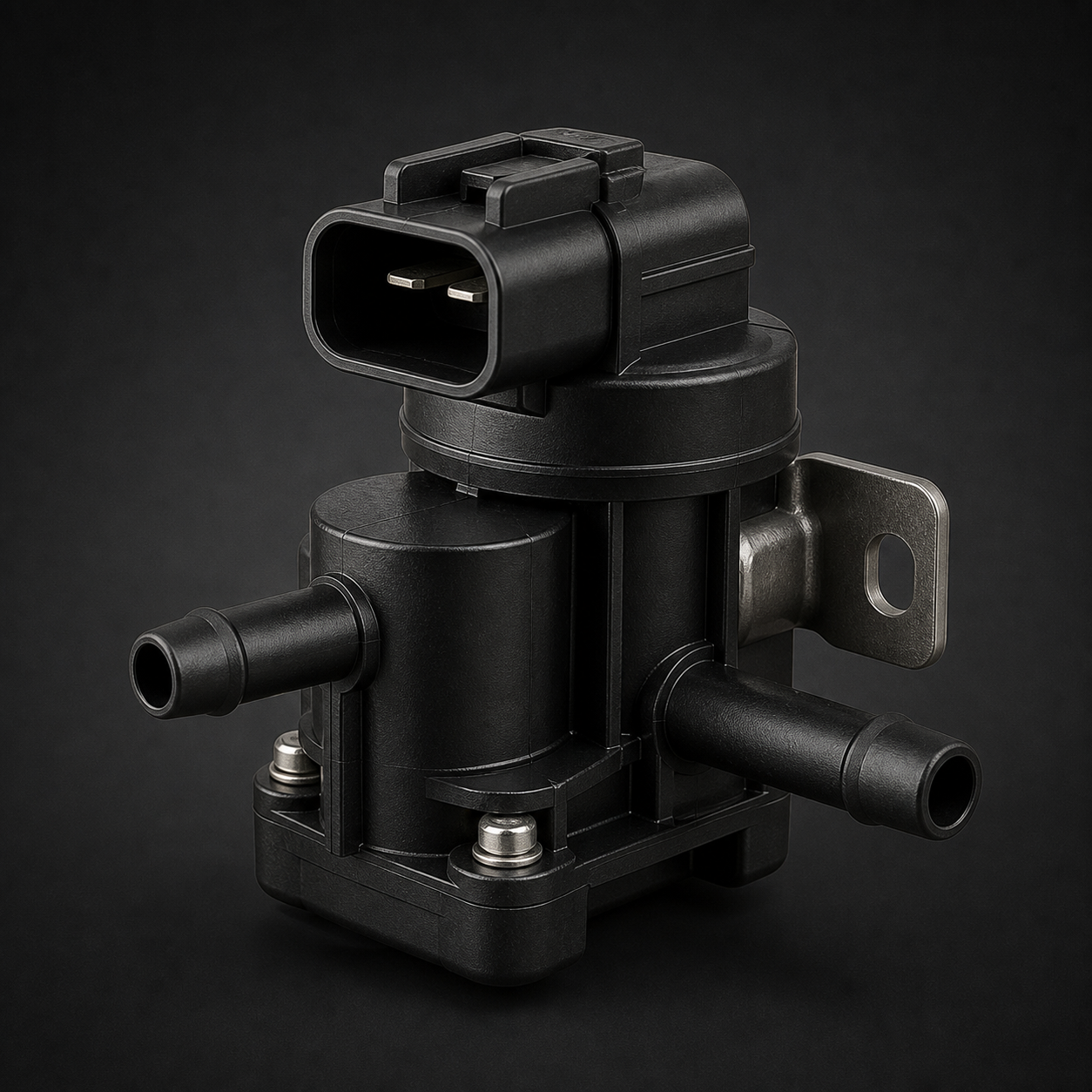
Fitment Required · Vehicle-fitment part
Relevant when coolant-temperature and warm-up faults indicate a thermostat-related issue.
Coolant-temperature and warm-up faults often lead to thermostat testing and replacement.
Thermostats are vehicle-specific and should be matched by engine and housing style.
View options on AmazonThese parts may be related to this fault category, but a code by itself does not confirm exact fitment or guarantee that replacing a part will solve the problem.