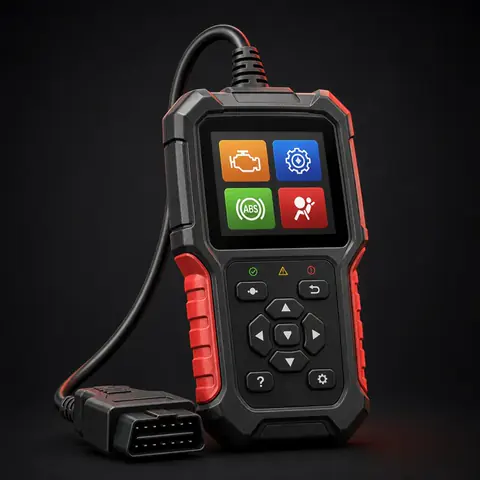
Pro · Four-system diagnostics
FOXWELL Multi-System Scanner
A handheld scanner aimed at engine, transmission, ABS, and airbag diagnostic work.
Chassis and ABS faults usually need a scanner that can read brake-system data directly.
View on Amazon
Easy one-page printout for the garage or repair shop
This summary uses the existing diagnostic information shown in full below.
This code means that the car's computer noticed that the air pressure inside the engine was too low when the engine was turned off. It's like when you have a balloon that doesn't have enough air in it.
The P1106 code is triggered when the engine control module (ECM) detects a manifold absolute pressure (MAP) sensor reading that is lower than expected when the engine is stopped.
The manifold absolute pressure (MAP) sensor measures the pressure inside the intake manifold. This information is used by the ECM to calculate the air density and determine the engine's air mass flow rate, which in turn helps in adjusting the fuel injection and ignition timing. If the MAP sensor reports a pressure that is too low when the engine is off, it may indicate a problem with the sensor or a leak in the intake system.
• Check Engine Light is on
• Poor engine performance
• Engine stalling or rough idling
• Faulty MAP sensor
• Vacuum leak in the intake manifold
• Wiring issues or poor electrical connections
MAP Sensor: Manifold Absolute Pressure Sensor, which measures the pressure inside the intake manifold.
ECM: Engine Control Module, the computer that manages engine performance.
• Inspect the MAP sensor and its wiring for damage or disconnections.
• Check for vacuum leaks in the intake manifold and hoses.
• Test the MAP sensor with a multimeter to ensure it is functioning correctly.
• Replace the faulty MAP sensor.
• Repair or replace any damaged wiring or connectors.
• Fix any vacuum leaks found in the intake system.
• OBD-II scanner
• Multimeter
• Vacuum gauge
$100 - $300
Moderate
• Chevrolet Malibu
• Pontiac Grand Am
• Buick Regal
• Regularly inspect and maintain the intake system.
• Ensure all sensors are clean and properly connected.
• Check for vacuum leaks periodically.
Sensor Issue
• Do not ignore the Check Engine Light.
• Have the vehicle inspected by a professional if you are not comfortable with DIY repairs.
Repairs may be covered under the vehicle's emissions warranty if applicable.
This code has been associated with issues in vehicles that have had prior intake system modifications or repairs.
Moderate – It is advisable to address this issue soon to prevent further engine performance problems.
Driving with a faulty MAP sensor can lead to increased emissions and reduced fuel efficiency.
• Engine at operating temperature
• Engine stopped
The MAP sensor is typically located on or near the intake manifold.
Q: Can I drive with a P1106 code?
A: While the car may still be drivable, it is not recommended to ignore this code as it can lead to further engine performance issues.
Q: How can I prevent a P1106 code?
A: Regular maintenance of the intake system and ensuring all sensors are functioning correctly can help prevent this code.
Pro · Four-system diagnostics
A handheld scanner aimed at engine, transmission, ABS, and airbag diagnostic work.
Chassis and ABS faults usually need a scanner that can read brake-system data directly.
View on Amazon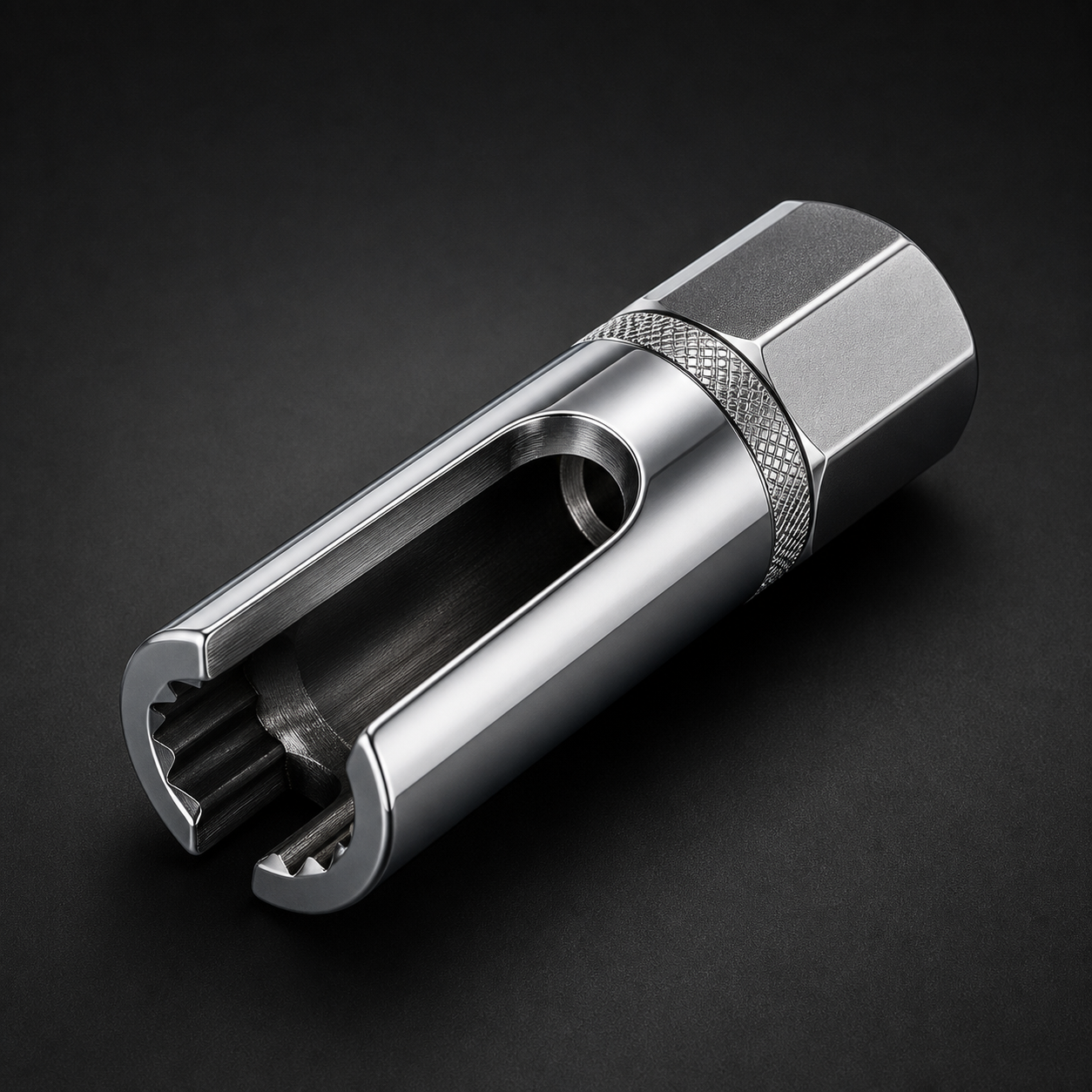
Universal · Torque wrench
Useful when reassembly torque matters for wheel, suspension, and under-hood fasteners.
Useful when wheel, hub, or suspension hardware needs correct reassembly torque.
View on Amazon
Universal · Drive-on ramps
Helpful for safer access underneath the vehicle during exhaust, EVAP, and underbody inspection work.
Helpful for safer access during underbody inspection work.
View on AmazonThese are optional diagnostic tools, not guaranteed fixes. As an Amazon Associate I earn from qualifying purchases.
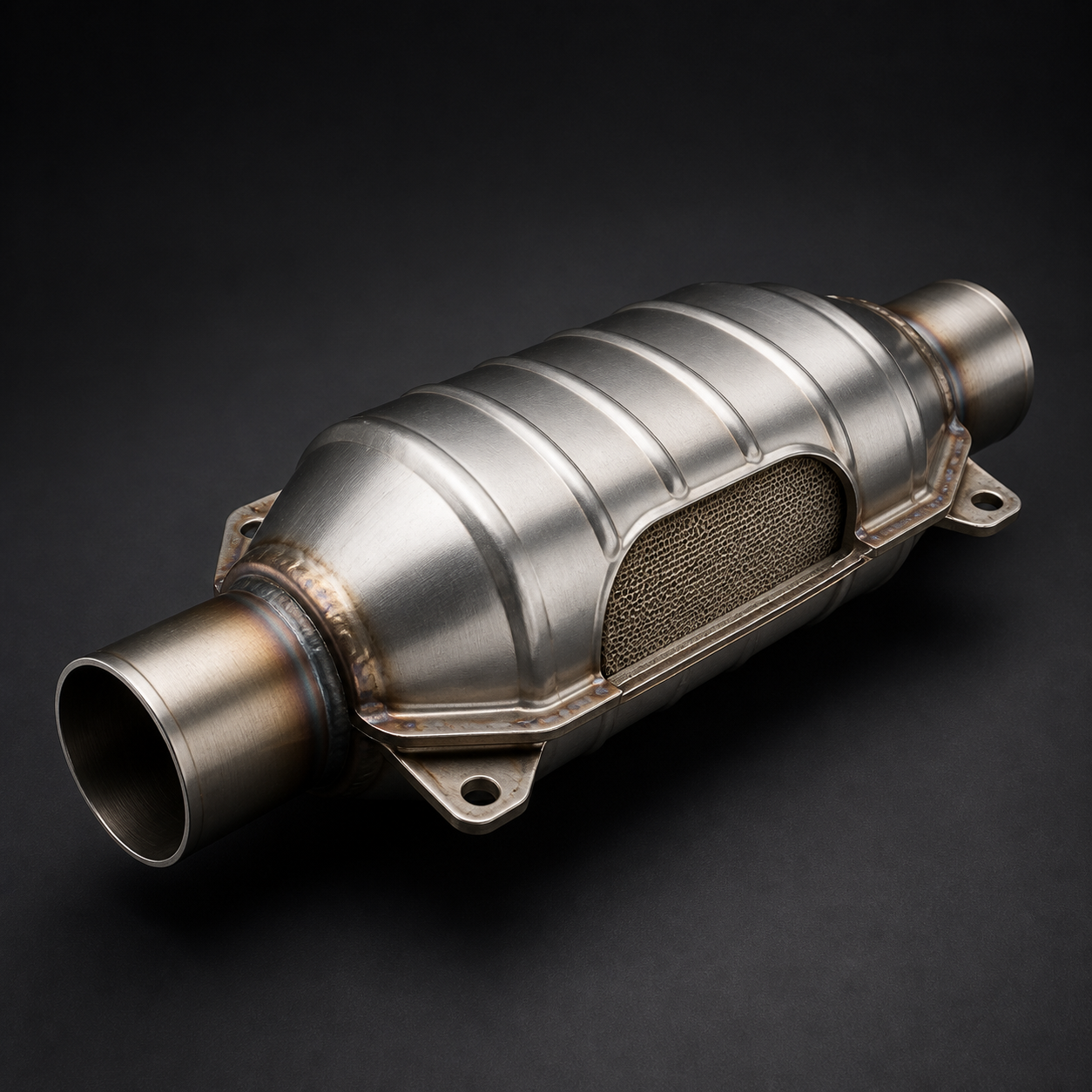
Fitment Required · Vehicle-fitment part
Commonly relevant for misfire, ignition-efficiency, and some drivability-related repairs.
Misfire and ignition-related faults commonly involve spark plugs as part of the repair path.
Check the correct plug type, gap, and engine application for your vehicle.
View options on Amazon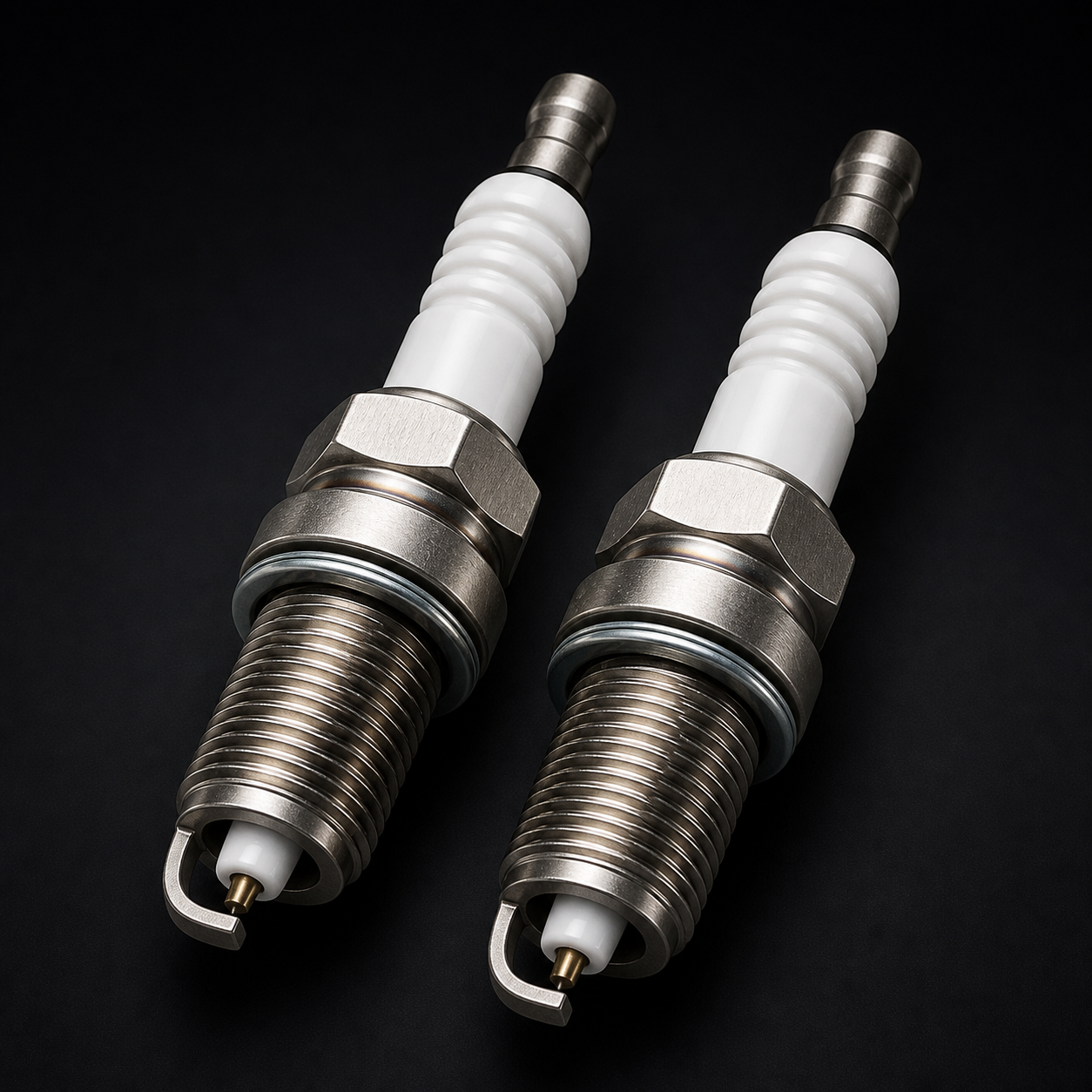
Fitment Required · Vehicle-fitment part
Relevant when the fault points toward ignition-coil performance or cylinder-specific ignition issues.
Some ignition faults involve coil performance or cylinder-specific coil problems.
Match the coil to your engine and confirm the failed component before ordering.
View options on AmazonThese parts may be related to this fault category, but a code by itself does not confirm exact fitment or guarantee that replacing a part will solve the problem.