• Check Engine Light is on
• Reduced engine performance
• Increased fuel consumption
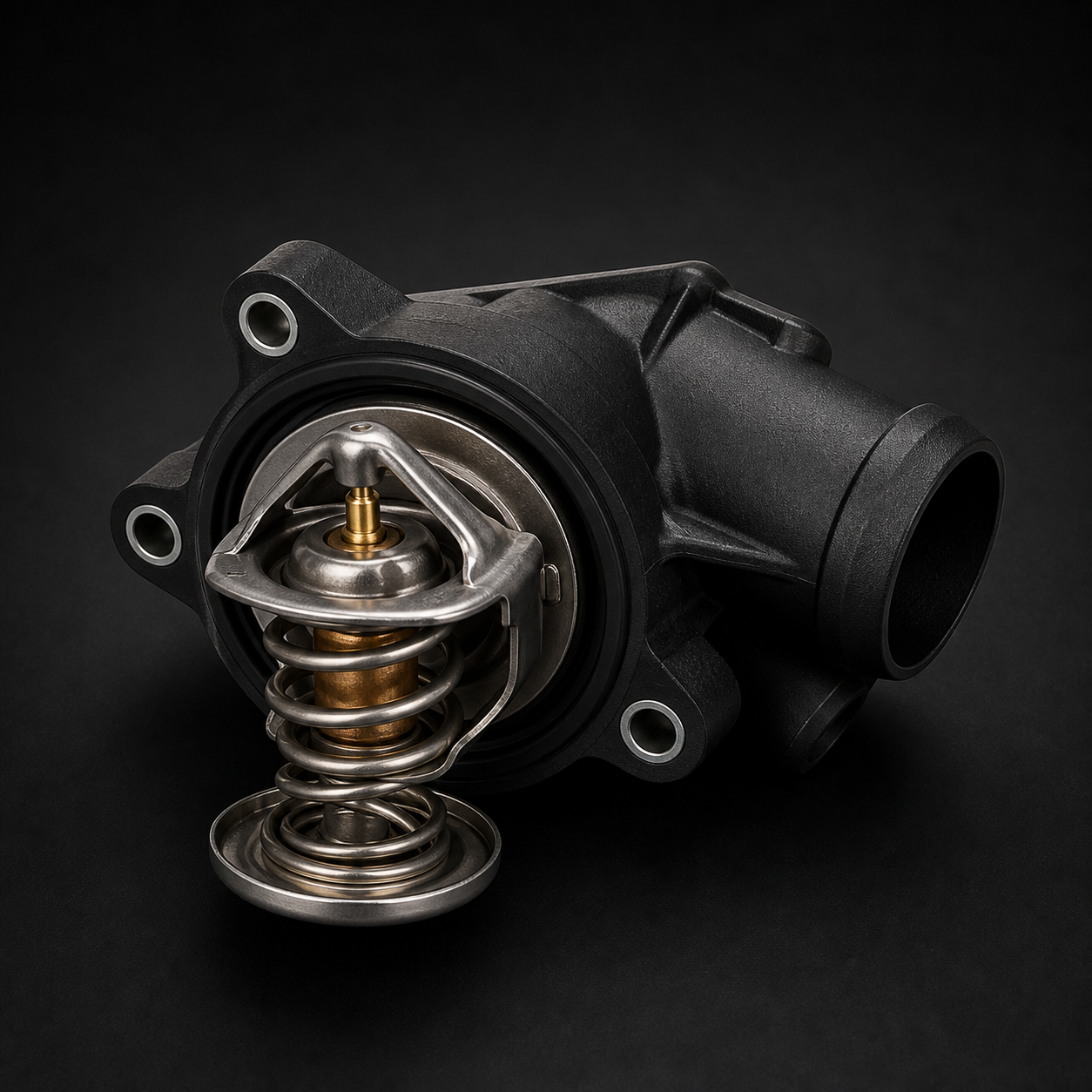
• Faulty VVL actuator
• Wiring issues in the VVL circuit
• Defective VVL control module
VVL: Variable Valve Lift
OBD-II: On-Board Diagnostics II
• P1025
• P1027
VVL Self-Learning Function Faulty Adjustment Range (Bank 2)
Your car has a system that helps it adjust how much air goes into the engine. This code means that the system on one side of the engine isn't adjusting properly.
The Variable Valve Lift (VVL) system adjusts the amount of air entering the engine for better performance and efficiency. This code indicates a problem with the self-learning function of the VVL on Bank 2, meaning it can't adjust itself correctly.
The VVL system is designed to optimize engine performance by adjusting the valve lift according to driving conditions. The self-learning function continuously adjusts the system to ensure optimal performance. A P1026 code indicates that the adjustment range for the VVL system on Bank 2 is out of the expected parameters, suggesting a malfunction in the self-learning capability.
• Check for other related codes
• Inspect VVL actuator and wiring
• Test VVL control module functionality
• Replace faulty VVL actuator
• Repair or replace damaged wiring
• Reprogram or replace VVL control module
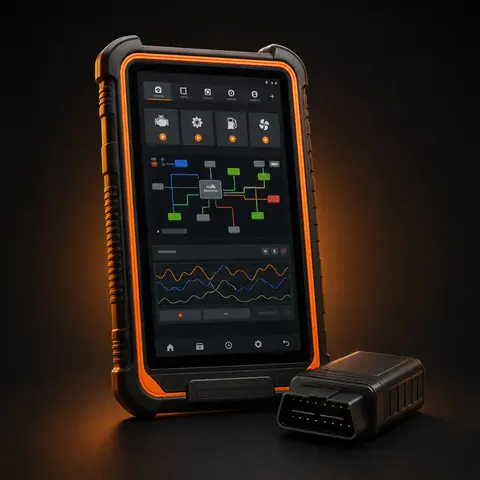
• OBD-II scanner
• Multimeter
• Basic hand tools
$200 - $600
Moderate
• Nissan Altima
• Infiniti G37
• Nissan Maxima
• Regular maintenance and inspections
• Timely replacement of worn components
• Use high-quality engine oil
Engine Performance
• Do not ignore the Check Engine Light
• Have the vehicle inspected by a professional
• Avoid heavy acceleration until repaired
Check with your vehicle manufacturer regarding powertrain warranty coverage.
This code has been associated with vehicles using advanced valve timing systems, particularly in Nissan and Infiniti models.
Moderate – Addressing this issue will prevent further engine performance problems.
Driving with this code may lead to increased emissions and reduced fuel efficiency.
• Engine at operating temperature
• Vehicle in idle or low-speed conditions
The VVL components are typically located on the cylinder head of the engine, specifically on Bank 2.
Q: What is Bank 2?
A: Bank 2 refers to the side of the engine that does not contain cylinder 1.
Q: Can I drive with a P1026 code?
A: It's possible to drive for short distances, but it's recommended to fix the issue to avoid further damage.