• Check Engine Light is on
• Reduced battery charging efficiency
• Potential loss of electric driving range
• Faulty output current sensor
• Damaged wiring or connectors
• Faulty battery charger
OBD-II: On-Board Diagnostics, a standardized system for self-diagnostics in vehicles.
Current Sensor: A device that detects and measures electric current.
• P0D51
• P0D52
This code means that the car's computer thinks the part that measures how much power is coming from the battery charger isn't working right. It's like if your phone charger said it was charging, but your phone didn't show any power coming in.
The P0D53 code is triggered when the vehicle's control module detects a low voltage signal from the output current sensor of the hybrid or electric vehicle's battery charger.
The hybrid or electric vehicle's battery charger has an output current sensor that monitors the amount of current being delivered to the battery. If the sensor's circuit is reading lower than expected, it may indicate a problem with the sensor, wiring, or the charger itself.
• Use an OBD-II scanner to confirm the code.
• Inspect the wiring and connectors for damage.
• Test the output current sensor for proper operation.
• Replace the output current sensor if faulty.
• Repair or replace damaged wiring or connectors.
• Replace the battery charger if necessary.
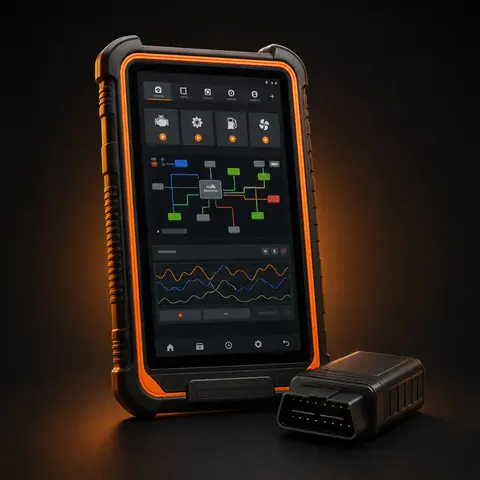
• OBD-II scanner
• Multimeter
• Basic hand tools
$200 - $800
Moderate
• Toyota Prius
• Chevrolet Volt
• Nissan Leaf
• Regular maintenance checks
• Ensure proper charging practices
• Inspect wiring and connectors periodically
Sensor Issue
• Have the vehicle inspected by a professional.
• Avoid long trips until the issue is resolved.
Repairs may be covered under the vehicle's powertrain or hybrid system warranty.
This code has become more common with the increase in hybrid and electric vehicles, highlighting the importance of reliable battery management systems.
Moderate – It should be addressed soon to prevent further issues and maintain vehicle efficiency.
Ignoring this issue could lead to reduced vehicle performance and efficiency. Always follow manufacturer guidelines for repairs.
• Vehicle in 'Ready' mode
• Battery charger connected
The output current sensor is typically located near the battery charger or integrated within the battery management system.
Q: Can I drive my car with a P0D53 code?
A: While the car may still be drivable, it's best to have it checked soon to avoid potential battery issues.
Q: Will this code affect my car's performance?
A: Yes, it could lead to reduced charging efficiency and electric driving range.