• Check Engine Light is on
• Reduced performance of hybrid/EV system
• Possible overheating of the battery
• Faulty battery temperature sensor
• Damaged or corroded wiring or connectors
• Faulty powertrain control module (PCM)
OBD-II: On-Board Diagnostics, a standardized system for self-diagnostics and reporting in vehicles.
PCM: Powertrain Control Module, the vehicle's computer responsible for engine and transmission management.
• P0C98
• P0C9A
This means that the car's computer thinks the sensor that checks how hot or cold the hybrid or electric car's battery is isn't working right. It's like a thermometer for the battery that's not reading correctly.
The P0C99 code indicates that the vehicle's onboard computer has detected a low voltage signal from the battery temperature sensor circuit 'L'.
The hybrid or electric vehicle battery temperature sensor measures the temperature of the battery pack. This information is crucial for managing battery performance and longevity. The 'Circuit Low' condition suggests that the voltage signal from the sensor is below the expected range, which could be due to a wiring issue, a faulty sensor, or a problem with the vehicle's computer.
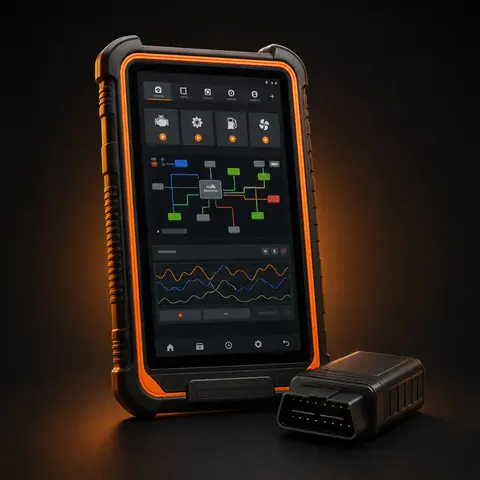
• Use an OBD-II scanner to verify the code.
• Inspect wiring and connectors for damage or corrosion.
• Test the battery temperature sensor for proper operation.
• Replace the faulty battery temperature sensor.
• Repair or replace damaged wiring or connectors.
• Reprogram or replace the PCM if necessary.
• OBD-II scanner
• Multimeter
• Basic hand tools
$150 - $500
Moderate
• Toyota Prius
• Chevrolet Volt
• Nissan Leaf
• Regularly inspect battery and related components.
• Ensure proper maintenance of electrical systems.
• Avoid extreme temperatures to protect battery health.
Sensor Issue
• Do not ignore the Check Engine Light.
• Seek professional diagnosis to prevent battery damage.
Check with your vehicle manufacturer for specific warranty coverage related to battery components.
This code has been reported in various hybrid and electric vehicles, often related to sensor or wiring issues.
Moderate – Addressing this issue promptly can prevent further damage to the battery system.
Driving with a faulty battery temperature sensor can lead to battery overheating and potential safety hazards.
• Vehicle at operating temperature
• Battery under load conditions
The battery temperature sensor is typically located within the battery pack or near the battery module.
Q: Can I drive my car with this code?
A: It's not recommended to drive for extended periods with this code, as it may lead to battery damage.
Q: How do I reset the Check Engine Light after repairs?
A: Use an OBD-II scanner to clear the code after confirming repairs are successful.