• Check Engine Light is on
• Transmission may not shift properly
• Possible overheating of hydraulic components
• Faulty hydraulic oil temperature sensor
• Wiring issues such as shorts or open circuits
• Poor electrical connections in the sensor circuit
PCM: Powertrain Control Module
OBD-II: On-Board Diagnostics, Second Generation
• P0938
• P0940
Hydraulic Oil Temperature Sensor Circuit Low
This code means that the car's computer is getting a signal that the temperature of the hydraulic oil is lower than it should be. It's like when a thermometer says it's really cold when it's not.
The P0939 code is triggered when the powertrain control module (PCM) detects a low voltage signal from the hydraulic oil temperature sensor circuit.
The hydraulic oil temperature sensor monitors the temperature of the hydraulic fluid. If the sensor circuit sends a voltage signal to the PCM that is lower than the expected range, the P0939 code is set. This could indicate a problem with the sensor itself, the wiring, or the connections in the circuit.
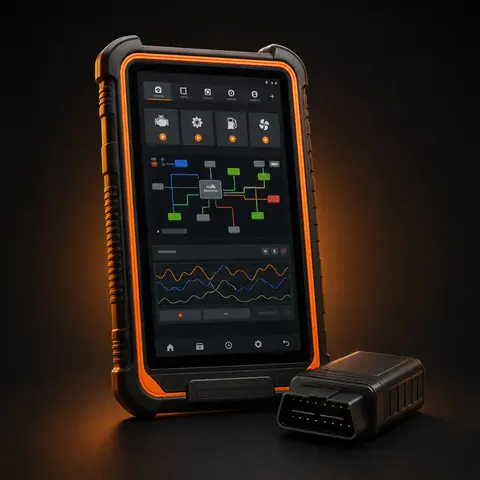
• Use an OBD-II scanner to confirm the P0939 code.
• Inspect the wiring and connectors for damage or corrosion.
• Test the hydraulic oil temperature sensor for proper operation.
• Replace the hydraulic oil temperature sensor if faulty.
• Repair or replace damaged wiring or connectors.
• Clear the code and test drive to ensure the issue is resolved.
• OBD-II scanner
• Multimeter
• Basic hand tools
$100 - $300
Moderate
• Ford F-150
• Chevrolet Silverado
• Dodge Ram
• Regularly inspect and maintain wiring and connectors.
• Replace hydraulic oil temperature sensor at recommended intervals.
• Keep hydraulic fluid at proper levels and replace as needed.
Sensor Issue
• Do not ignore the Check Engine Light.
• Have the vehicle inspected by a professional if unsure.
• Regular maintenance can prevent sensor issues.
Check with the vehicle manufacturer for warranty coverage on sensor-related issues.
This code has been associated with sensor failures and wiring issues, particularly in older vehicles or those with high mileage.
Moderate – Addressing this issue promptly can prevent further transmission problems.
Driving with a malfunctioning sensor can lead to further vehicle damage and may not comply with emissions regulations.
• Engine must be running.
• Transmission fluid should be at operating temperature.
The hydraulic oil temperature sensor is typically located on or near the transmission or hydraulic fluid reservoir.
Q: Can I drive with a P0939 code?
A: It's possible to drive, but it's not recommended as it may cause further damage.
Q: How do I reset the P0939 code?
A: After repairs, use an OBD-II scanner to clear the code and ensure it doesn't return.