ezOBD2 - Free OBD2 Code Lookup and Check Engine Light Diagnostic Tool

Find Your OBD2 Code Fast

Type the code from your scanner to get causes, symptoms, and fixes.

Code P0420

Quick reference

P0420 at a glance

Plain-language meaning
This code means that the car's computer thinks the part of the exhaust system that cleans up pollution isn't working as well as it should.
Urgency
Moderate – While the vehicle may run normally, emissions will be higher, and it may fail an emissions test.
Difficulty
Moderate
System
Emission Control
Tools mentioned
OBD-II scanner, Oxygen sensor socket, Wrench set

This summary uses the existing diagnostic information shown in full below.

Laymans terms

This code means that the car's computer thinks the part of the exhaust system that cleans up pollution isn't working as well as it should.

Explanation

The P0420 code indicates that the catalytic converter is not functioning efficiently on Bank 1, which is the side of the engine with cylinder 1.

Technical description

The catalytic converter's job is to reduce harmful emissions from the engine by converting them into less harmful gases. The vehicle's computer monitors the efficiency of the catalytic converter using oxygen sensors located before and after the converter. If the downstream oxygen sensor detects that the converter is not reducing emissions effectively, it triggers the P0420 code.

Symptoms

• Check Engine Light is on

• Reduced fuel efficiency

• Poor engine performance

• Increased emissions

Common Causes

• Faulty catalytic converter

• Damaged or leaking exhaust manifold

• Faulty oxygen sensor

• Exhaust leaks

• Engine misfire or running rich

Glossary

Catalytic Converter: A device in the exhaust system that reduces harmful emissions.

Oxygen Sensor: A sensor that measures the amount of oxygen in the exhaust gases.

Diagnosis steps

• Use an OBD-II scanner to confirm the P0420 code.

• Inspect the exhaust system for leaks or damage.

• Test the oxygen sensors for proper operation.

• Check for other codes that might indicate engine misfire or fuel mixture issues.

Repair procedures

• Replace the catalytic converter if it is faulty.

• Repair any exhaust leaks.

• Replace faulty oxygen sensors.

• Address any engine misfire or fuel mixture issues.

Tools required

• OBD-II scanner

• Oxygen sensor socket

• Wrench set

Estimated repair cost

$500 - $2,500

Difficulty level

Moderate

Commonly affected vehicles

• Toyota Camry

• Honda Accord

• Ford F-150

Preventive measures

• Regularly maintain the vehicle's exhaust system.

• Ensure timely replacement of oxygen sensors.

• Use quality fuel to prevent buildup in the catalytic converter.

Error code type

Emission Control

User experience recommendations

• Address the issue promptly to avoid failing emissions tests.

• Consult a professional mechanic if unsure about repairs.

Warranty information

Catalytic converters are often covered under the vehicle's emissions warranty, which can be longer than the standard warranty.

Historical data

The P0420 code has been a common issue since the introduction of OBD-II systems, as catalytic converters are critical for emissions control.

Urgency level

Moderate – While the vehicle may run normally, emissions will be higher, and it may fail an emissions test.

Testing conditions

• Engine at operating temperature

• Vehicle in closed-loop operation

Component location

The catalytic converter is located in the exhaust system, between the exhaust manifold and the muffler.

FAQs

Q: Can I drive with a P0420 code?
A: Yes, but it is not recommended as it can lead to higher emissions and potential engine damage over time.

Q: Will a P0420 code affect my car's performance?
A: It might. You could experience reduced fuel efficiency and engine performance.

Optional diagnostic gear

Tools that may help diagnose P0420

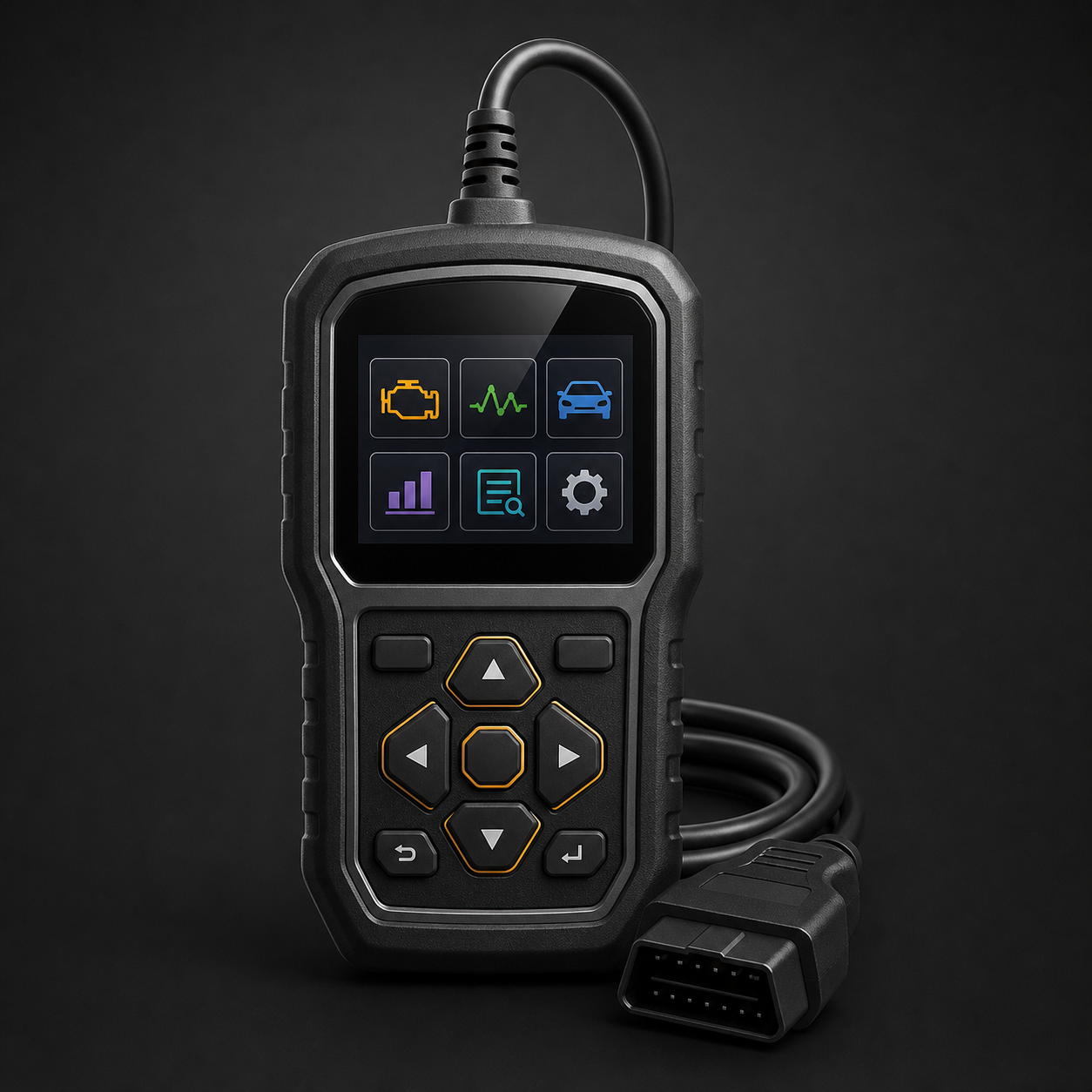
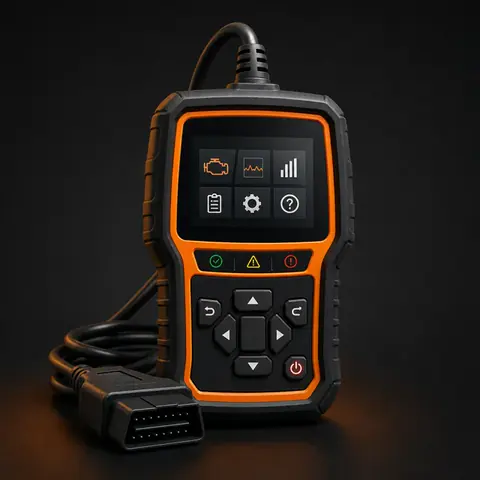
FOXWELL NT301 diagnostic tool illustration

Budget · Enhanced code reader

FOXWELL NT301

A wired color-screen reader with readiness hotkeys, live data, code definitions, and data logging.

Good for emissions-related codes because it exposes readiness monitors and live powertrain data.

View on Amazon
AutoLine Pro HyperSmoke diagnostic tool illustration

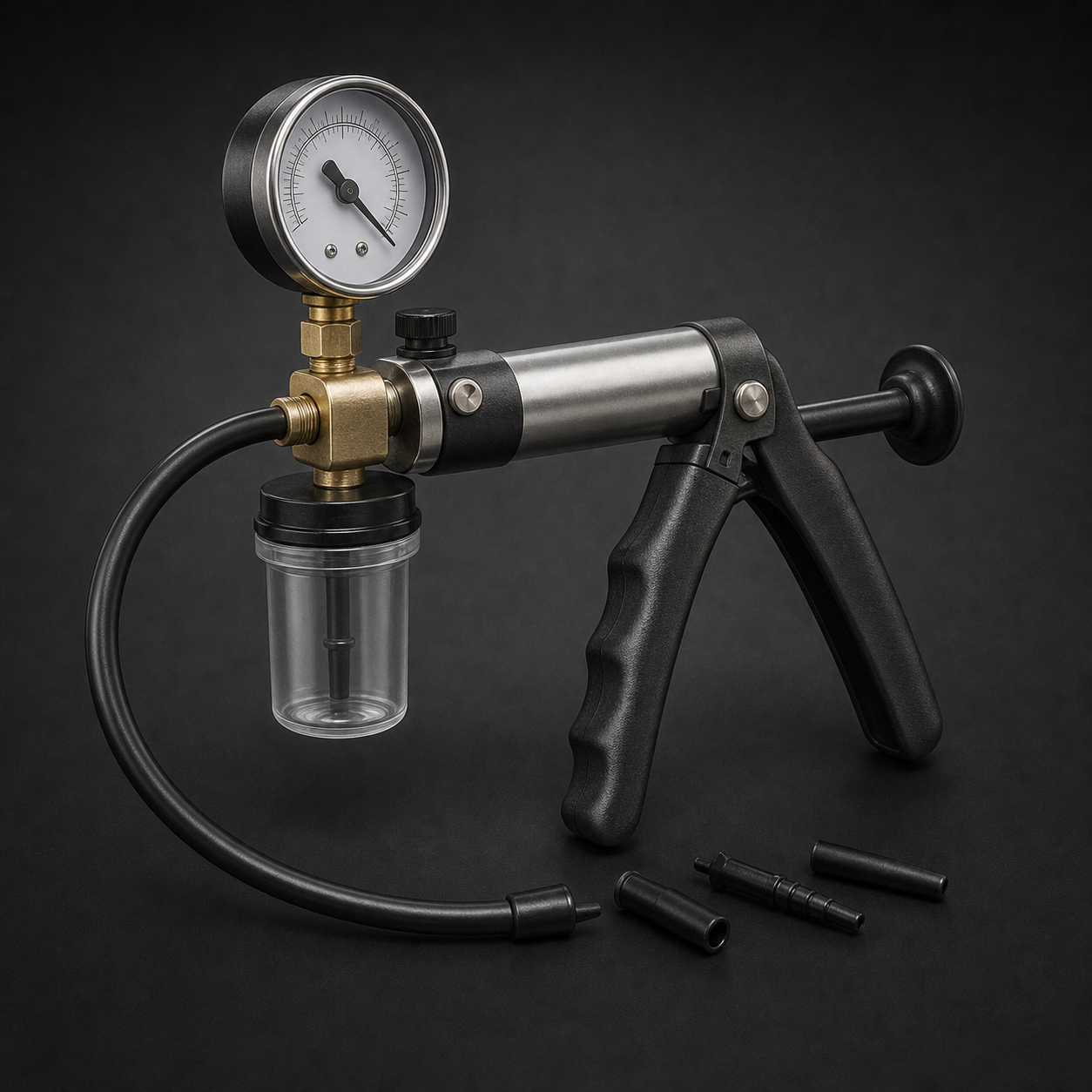
Specialty · Smoke machine

AutoLine Pro HyperSmoke

Helpful for finding EVAP and vacuum leaks that are hard to see with visual inspection alone.

Helpful for tracking down EVAP and vacuum leaks that can trigger emissions faults.

View on Amazon
Lisle 12390 Oxygen Sensor Wrench diagnostic tool illustration

Specialty · O2 sensor socket

Lisle 12390 Oxygen Sensor Wrench

Helpful when the code points toward exhaust or oxygen-sensor work and space is tight.

Useful when the diagnosis points toward oxygen-sensor removal or replacement.

View on Amazon

These are optional diagnostic tools, not guaranteed fixes. As an Amazon Associate I earn from qualifying purchases.

Fitment matters

Commonly referenced parts for P0420

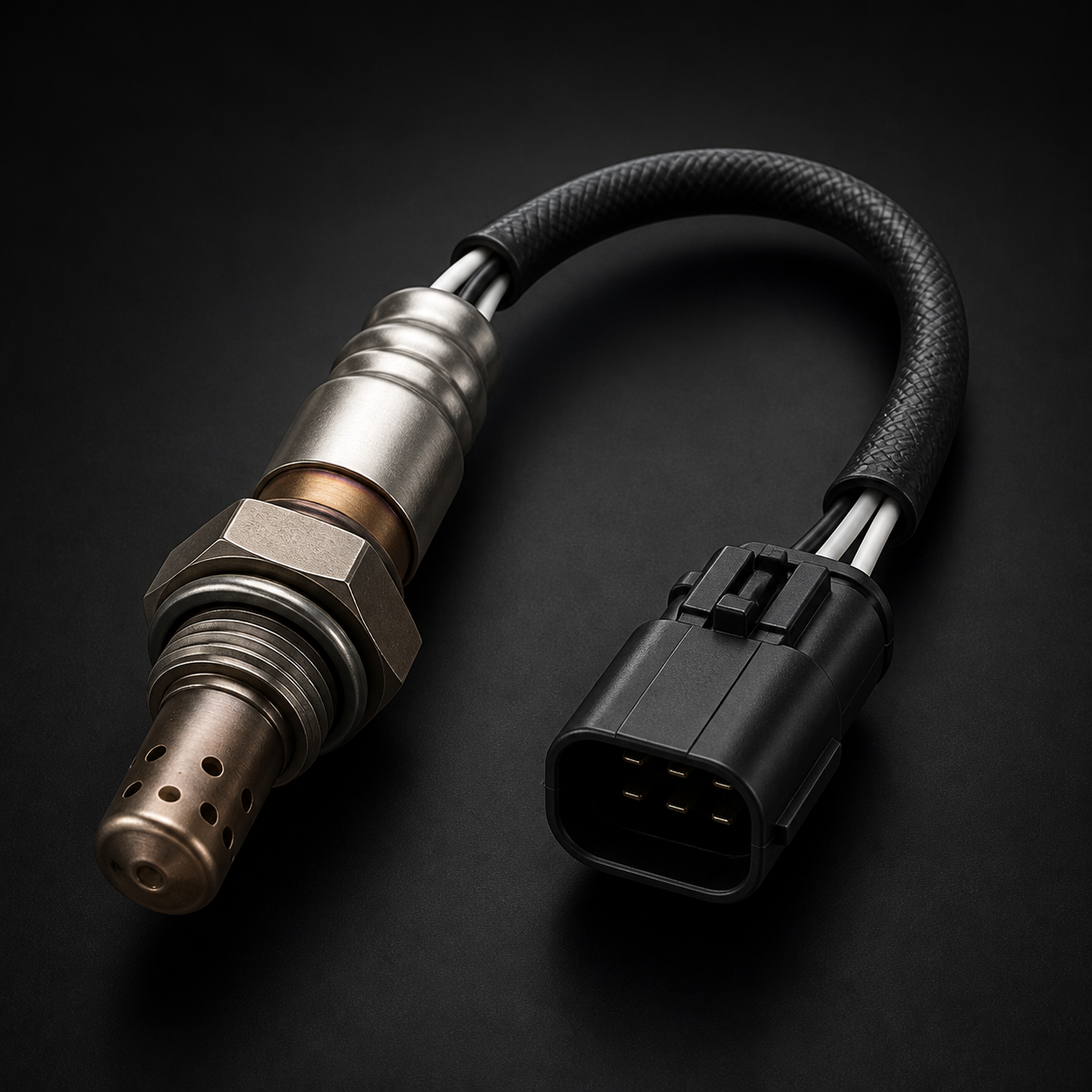
Denso Oxygen Sensor product illustration

Fitment Required · Vehicle-fitment part

Denso Oxygen Sensor

Relevant when the code or supporting diagnostics point toward upstream or downstream oxygen-sensor faults.

This code family often involves upstream or downstream oxygen-sensor diagnosis.

Verify exact sensor position and vehicle fitment before buying.

View options on Amazon
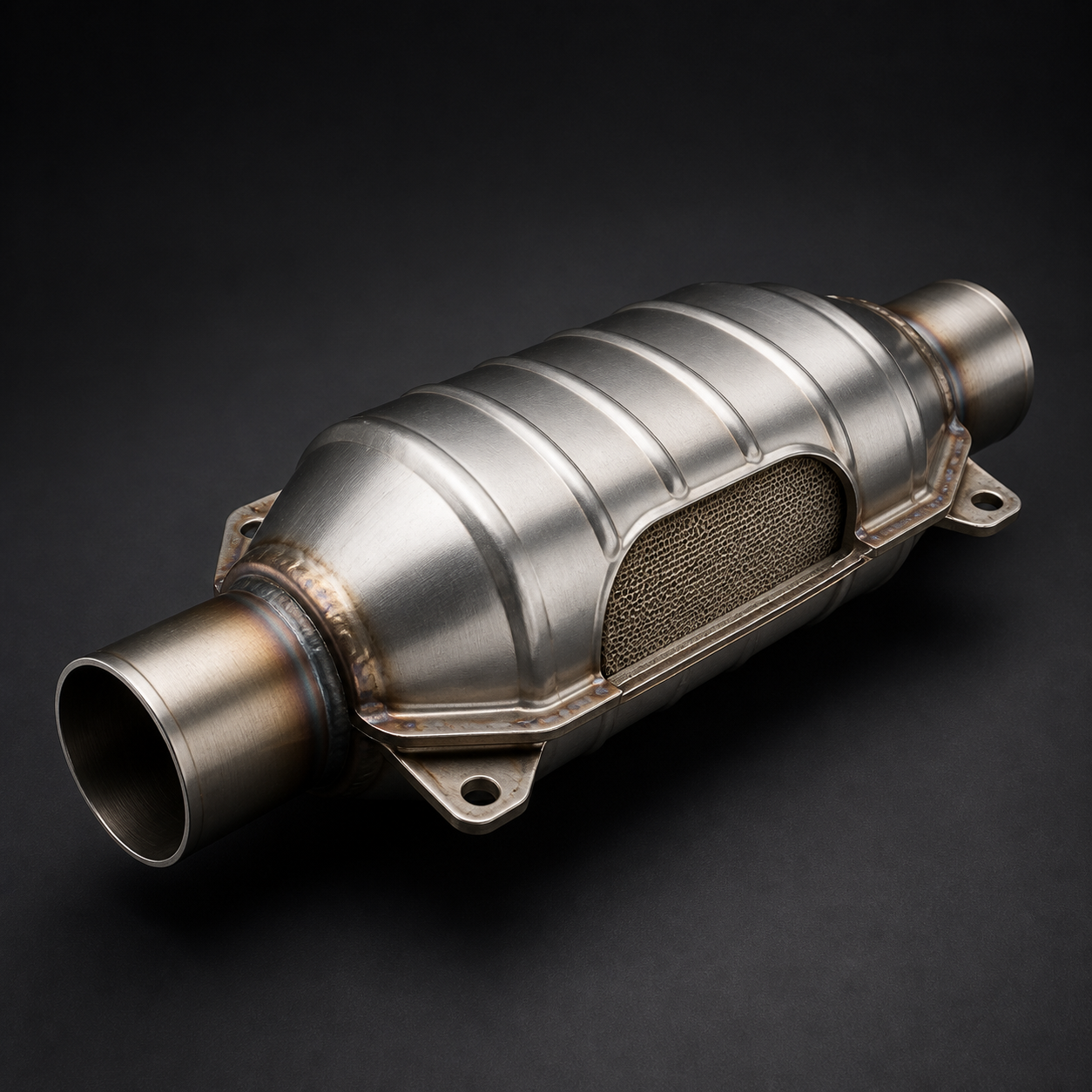
Walker Catalytic Converter product illustration

Fitment Required · Vehicle-fitment part

Walker Catalytic Converter

Relevant when catalyst-efficiency or emissions faults persist after proper diagnosis.

Catalyst-efficiency faults sometimes point toward converter problems after proper testing.

Catalytic converters are highly vehicle-specific and should not be purchased by code alone.

View options on Amazon
NGK Spark Plugs product illustration

Fitment Required · Vehicle-fitment part

NGK Spark Plugs

Commonly relevant for misfire, ignition-efficiency, and some drivability-related repairs.

Misfire and ignition-related faults commonly involve spark plugs as part of the repair path.

Check the correct plug type, gap, and engine application for your vehicle.

View options on Amazon

These parts may be related to this fault category, but a code by itself does not confirm exact fitment or guarantee that replacing a part will solve the problem.

Source: ezOBD2 diagnostic database
🌙