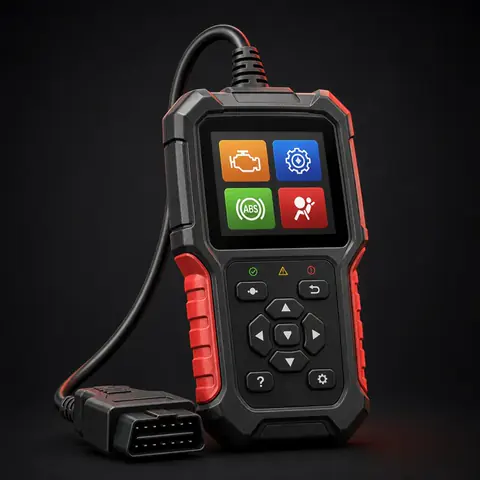
Pro · Four-system diagnostics
FOXWELL Multi-System Scanner
A handheld scanner aimed at engine, transmission, ABS, and airbag diagnostic work.
Chassis and ABS faults usually need a scanner that can read brake-system data directly.
View on Amazon
Easy one-page printout for the garage or repair shop
This summary uses the existing diagnostic information shown in full below.
This code means that the car's computer is getting confusing signals from the sensors that measure air pressure in the engine. It's like when you have a thermometer that gives different temperatures at the same time.
The P023D code is triggered when the Engine Control Module (ECM) detects a discrepancy between the manifold absolute pressure (MAP) sensor and the turbocharger/supercharger boost sensor readings.
The MAP sensor measures the pressure inside the intake manifold, while the turbocharger/supercharger boost sensor measures the pressure generated by the turbocharger or supercharger. If these readings are not within a specified range of each other, the ECM will set the P023D code, indicating a correlation issue.
• Check Engine Light is on
• Poor engine performance
• Reduced fuel efficiency
• Engine hesitation or stalling
• Faulty MAP sensor
• Faulty turbocharger/supercharger boost sensor
• Wiring issues or poor electrical connections
• Vacuum leaks
• Faulty ECM
ECM: Engine Control Module, the computer that controls engine functions.
MAP Sensor: Manifold Absolute Pressure sensor, measures air pressure in the intake manifold.
• Use an OBD-II scanner to confirm the code and check for other related codes.
• Inspect the wiring and connectors for the MAP and boost sensors.
• Test the MAP sensor and boost sensor for proper operation.
• Check for vacuum leaks in the intake system.
• Replace the faulty MAP sensor or boost sensor.
• Repair or replace damaged wiring or connectors.
• Fix any vacuum leaks found in the intake system.
• Reprogram or replace the ECM if necessary.
• OBD-II scanner
• Multimeter
• Vacuum gauge
$150 - $500
Moderate
• Ford F-150
• Chevrolet Silverado
• Dodge Ram
• Regularly inspect and maintain the intake system.
• Ensure sensors and wiring are in good condition.
• Perform routine engine diagnostics.
Sensor Issue
• Do not ignore the Check Engine Light.
• Consult a professional mechanic if unsure.
• Regular maintenance can prevent sensor issues.
Sensor-related repairs may be covered under powertrain warranty if the vehicle is still within the warranty period.
P023D is a relatively common code in turbocharged or supercharged vehicles, often due to sensor failures or wiring issues.
Moderate – While the vehicle may still be drivable, it can lead to further engine performance issues if not addressed.
Driving with a malfunctioning engine sensor can lead to increased emissions and potential safety risks.
• Engine at operating temperature
• Vehicle at idle and under load
The MAP sensor is typically located on the intake manifold, while the boost sensor is found near the turbocharger or supercharger.
Q: Can I drive with a P023D code?
A: It's possible, but not recommended as it can lead to further engine issues.
Q: How do I know if my MAP sensor is bad?
A: Symptoms include poor engine performance, reduced fuel efficiency, and a Check Engine Light.
Pro · Four-system diagnostics
A handheld scanner aimed at engine, transmission, ABS, and airbag diagnostic work.
Chassis and ABS faults usually need a scanner that can read brake-system data directly.
View on Amazon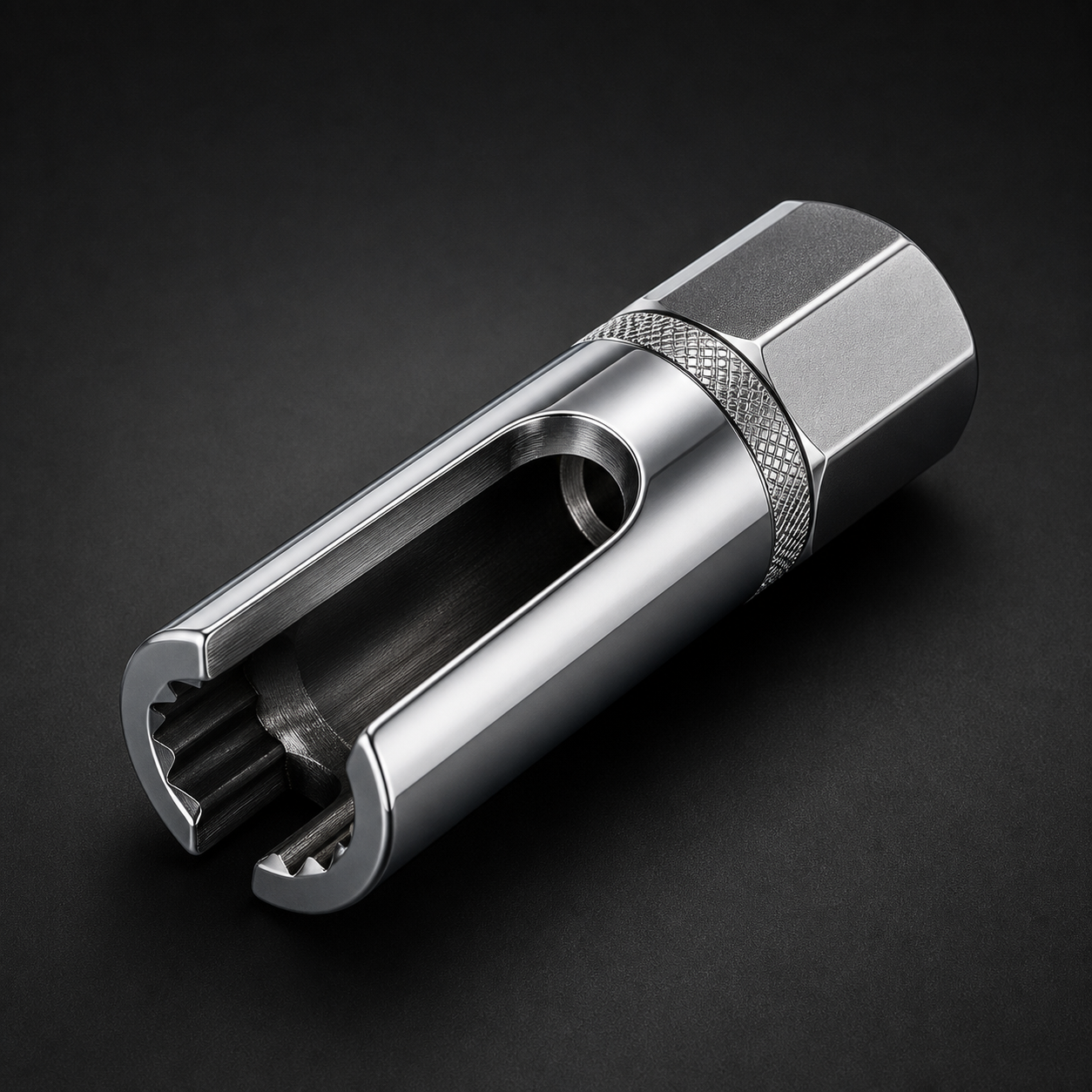
Universal · Torque wrench
Useful when reassembly torque matters for wheel, suspension, and under-hood fasteners.
Useful when wheel, hub, or suspension hardware needs correct reassembly torque.
View on Amazon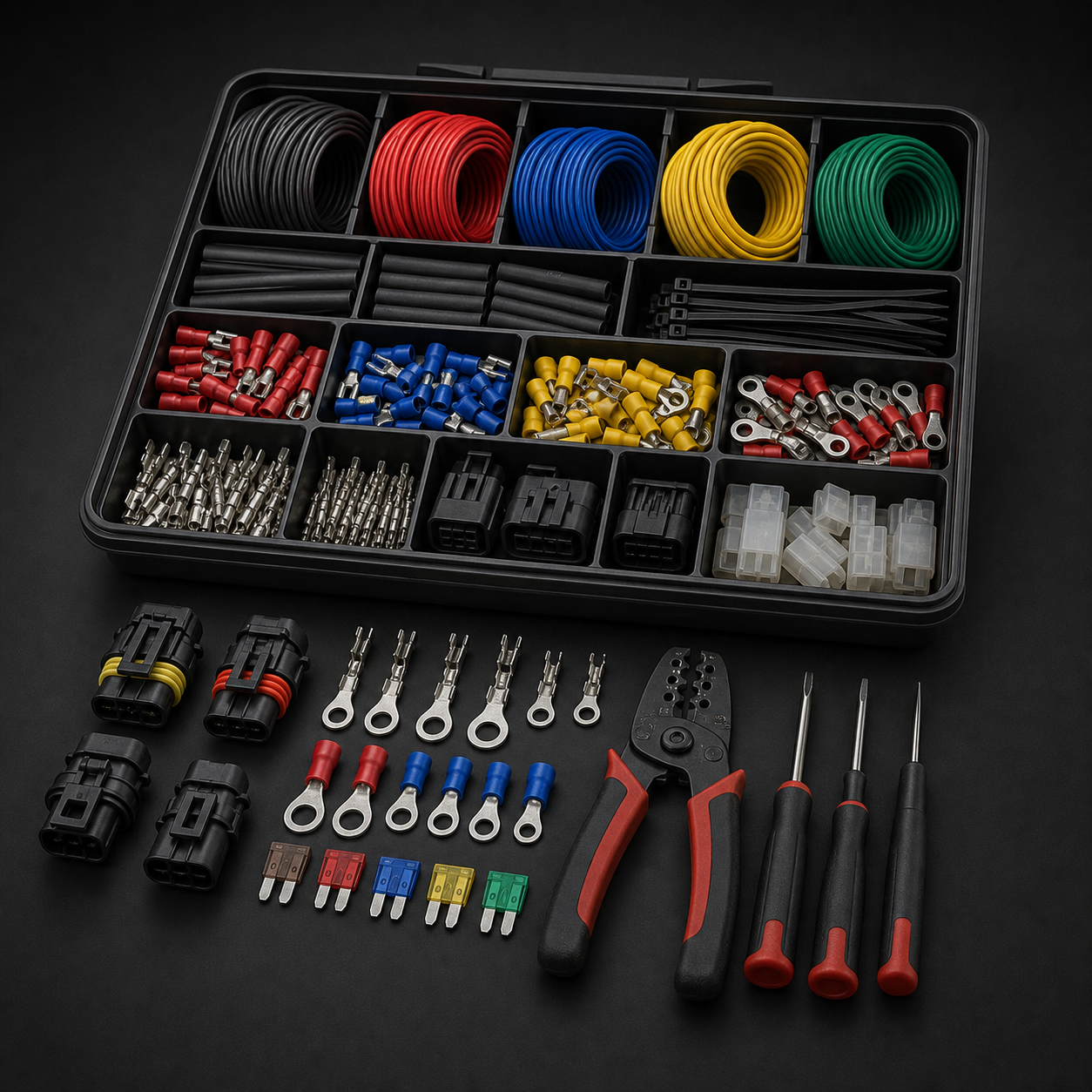
Universal · Drive-on ramps
Helpful for safer access underneath the vehicle during exhaust, EVAP, and underbody inspection work.
Helpful for safer access during underbody inspection work.
View on AmazonThese are optional diagnostic tools, not guaranteed fixes. As an Amazon Associate I earn from qualifying purchases.