• Check Engine Light is on
• Poor fuel economy
• Rough idling
• Faulty O2 sensor
• Exhaust leaks
• Wiring issues or poor electrical connections
O2 Sensor: A device that measures the oxygen level in the exhaust gases.
Rich Condition: When there is more fuel than air in the combustion process.
Lean Condition: When there is more air than fuel in the combustion process.
• P0133
• P0153
The car's computer is saying that one of the sensors that checks how clean the engine is running is slow to react. It's like when you ask a friend a question and they take a long time to answer.
The O2 sensor is not switching from a rich to a lean condition as quickly as expected.
The P019A code is triggered when the powertrain control module (PCM) detects that the oxygen sensor on Bank 1 Sensor 3 is taking too long to switch from a rich condition (high voltage) to a lean condition (low voltage). This delay can affect the engine's ability to maintain optimal air-fuel mixture, leading to reduced efficiency and increased emissions.
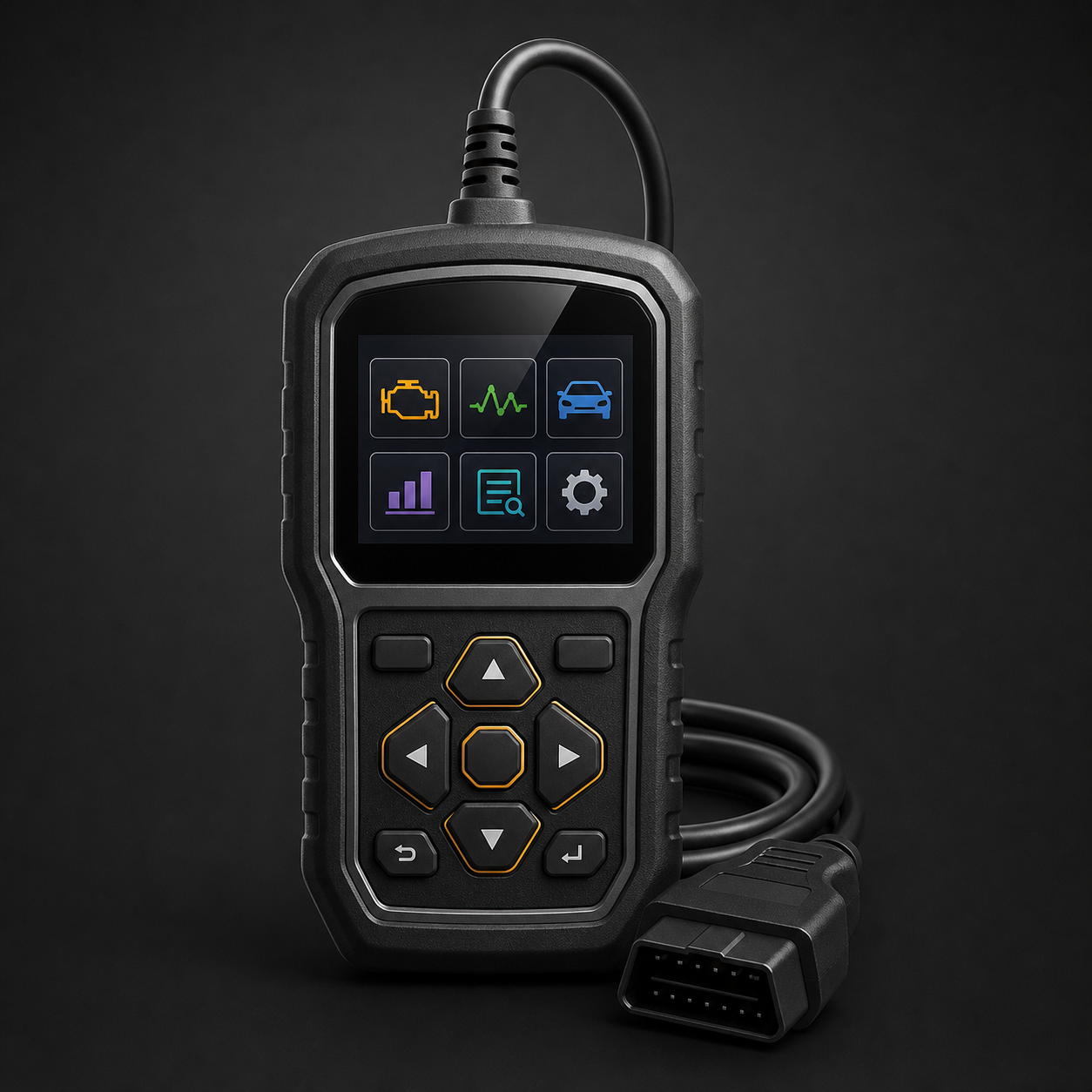
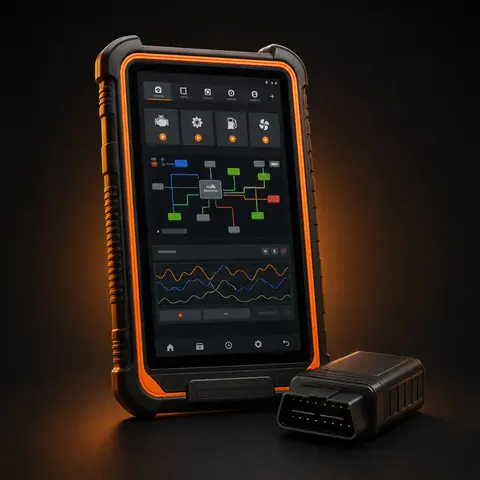
• Use an OBD-II scanner to confirm the code.
• Inspect the O2 sensor and its wiring for damage.
• Check for exhaust leaks near the sensor.
• Replace the faulty O2 sensor.
• Repair any exhaust leaks.
• Fix or replace damaged wiring or connectors.
• OBD-II scanner
• Wrench set
• Multimeter
$150 - $300
Moderate
• Ford F-150
• Chevrolet Silverado
• Toyota Camry
• Regularly inspect and maintain the exhaust system.
• Ensure timely replacement of O2 sensors as per the vehicle's maintenance schedule.
• Check for and repair any exhaust leaks promptly.
Sensor Issue
• Monitor fuel economy for any unusual changes.
• Have the vehicle inspected by a professional if the Check Engine Light is on.
• Avoid ignoring the issue as it can lead to more significant problems.
O2 sensors may be covered under the vehicle's emissions warranty. Check with the manufacturer.
This code has been commonly reported in vehicles with aging O2 sensors or exhaust system issues.
Moderate – While the vehicle may still be drivable, it is recommended to address the issue to prevent further engine performance problems.
Driving with a faulty O2 sensor can lead to increased emissions, which may not comply with local environmental regulations.
• Engine at operating temperature
• Vehicle running at idle
The O2 sensor for Bank 1 Sensor 3 is typically located on the exhaust manifold or downstream in the exhaust system on the side of the engine with cylinder 1.
Q: What happens if I ignore the P019A code?
A: Ignoring this code can lead to poor fuel economy and increased emissions, potentially causing more severe engine issues over time.
Q: Can I drive my car with a P019A code?
A: While the car may still be drivable, it's best to have it checked to avoid long-term damage and ensure optimal performance.