ezOBD2 - Free OBD2 Code Lookup and Check Engine Light Diagnostic Tool

Diagnose Your Check Engine Light

Enter OBDII code below:

Code P013B

Symptoms

• Check Engine Light is on

• Poor fuel economy

• Failed emissions test

Common Causes

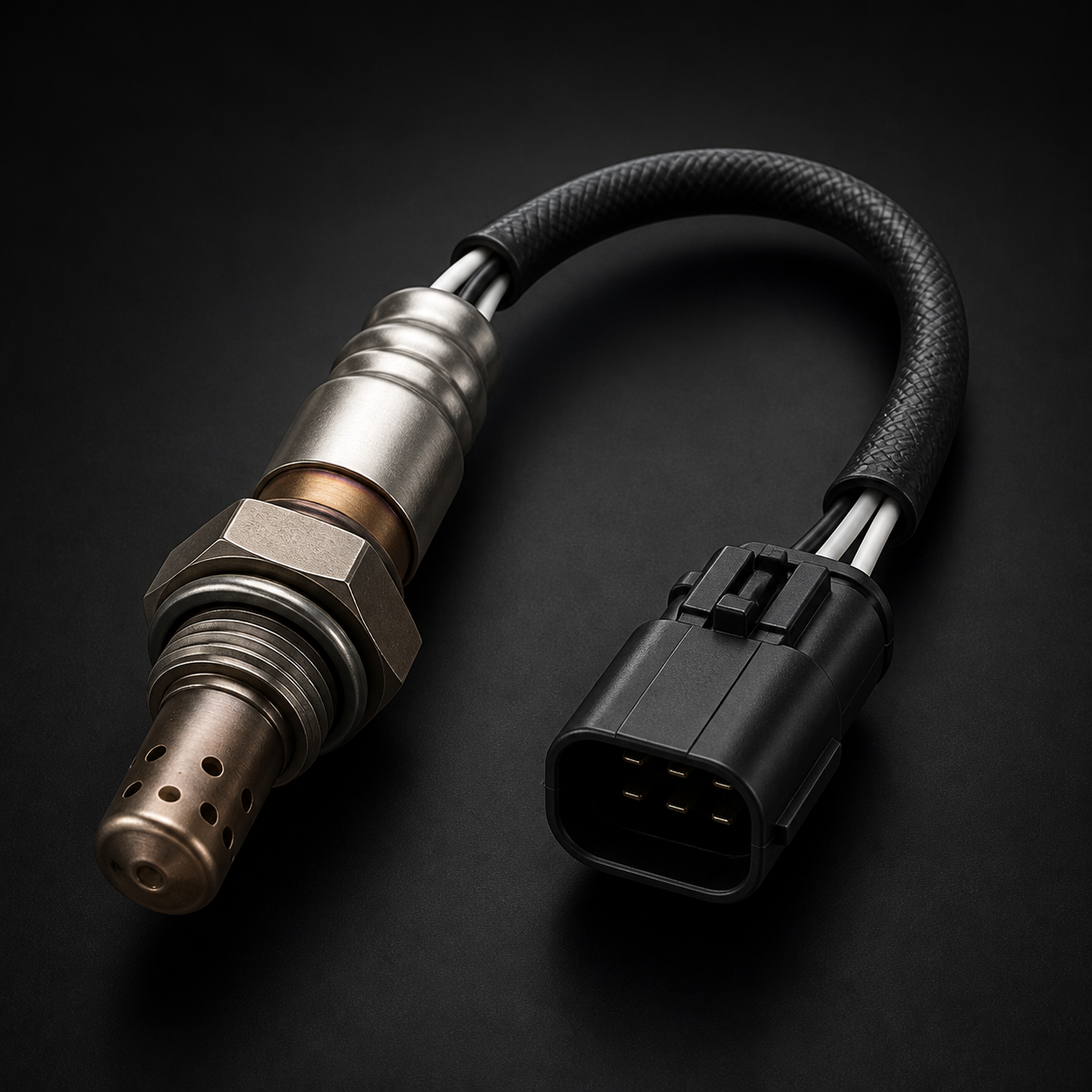
• Faulty oxygen sensor

• Exhaust leaks

• Wiring or connector issues

Glossary

O2 Sensor: A device that measures the oxygen level in the exhaust gases.

Lean: A condition where there is more air than fuel in the air-fuel mixture.

Rich: A condition where there is more fuel than air in the air-fuel mixture.

Related Codes

• P013A

• P013C

Laymans terms

This code means the car's computer thinks the oxygen sensor is taking too long to switch from a low oxygen reading to a high one. It's like when a light switch is slow to turn on or off.

Explanation

The O2 sensor is not responding quickly enough when the air-fuel mixture changes from lean to rich.

Technical description

The P013B code is triggered when the powertrain control module (PCM) detects that the downstream oxygen sensor (Bank 1, Sensor 2) is not switching from lean to rich or rich to lean as quickly as expected. This can affect the vehicle's fuel efficiency and emissions.

Diagnosis steps

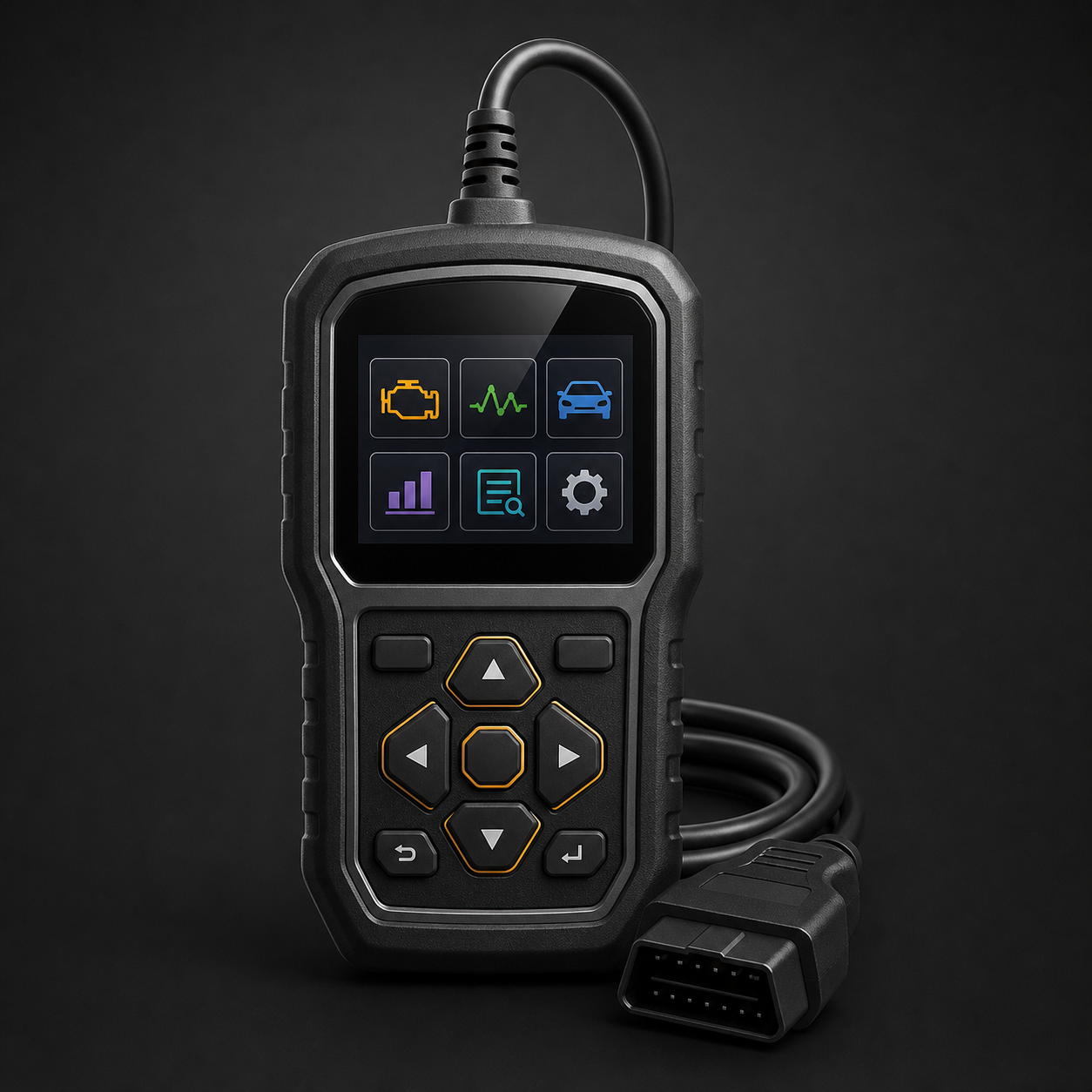
• Use an OBD-II scanner to confirm the code

• Inspect the oxygen sensor and its wiring

• Check for exhaust leaks

Repair procedures

• Replace the oxygen sensor

• Repair any exhaust leaks

• Fix wiring or connector issues

Tools required

• OBD-II scanner

• Multimeter

• Wrench set

Estimated repair cost

$100 - $300

Difficulty level

Moderate

Commonly affected vehicles

• Toyota Camry

• Ford F-150

• Honda Accord

Preventive measures

• Regularly inspect and maintain the exhaust system

• Use high-quality fuel

• Perform regular vehicle maintenance

Error code type

Sensor Issue

User experience recommendations

• Do not ignore the Check Engine Light

• Consider professional diagnosis if unsure

• Keep up with regular vehicle maintenance

Warranty information

Check if the oxygen sensor is covered under the vehicle's emissions warranty.

Historical data

Oxygen sensor codes have been common since the introduction of OBD-II systems in the mid-1990s, as they are critical for emissions control.

Urgency level

Moderate – While not immediately critical, it should be addressed to avoid poor fuel economy and potential emissions test failure.

Legal and safety notice

Driving with a malfunctioning oxygen sensor can lead to increased emissions and may be illegal in some areas.

Testing conditions

• Engine at operating temperature

• Vehicle at idle

Component location

The Bank 1 Sensor 2 oxygen sensor is located downstream in the exhaust system, usually after the catalytic converter.

FAQs

Q: Can I drive with a P013B code?
A: You can drive for a short period, but it's best to fix it soon to avoid further issues.

Q: What happens if I ignore the P013B code?
A: Ignoring it can lead to poor fuel economy and emissions test failure.

Last updated: Jun 9, 2026 • Source: internal database
🌙