ezOBD2 - Free OBD2 Code Lookup and Check Engine Light Diagnostic Tool

Find Your OBD2 Code Fast

Type the code from your scanner to get causes, symptoms, and fixes.

Code P0135

Quick reference

P0135 at a glance

Plain-language meaning
This code means there's a problem with the part of your car that helps the engine know how much fuel to use. It's like the car's nose isn't working right to smell how clean the air is.
Urgency
Moderate – While the car may still run, it's important to address this issue to maintain fuel efficiency and emissions standards.
Difficulty
Moderate
System
Sensor Issue
Tools mentioned
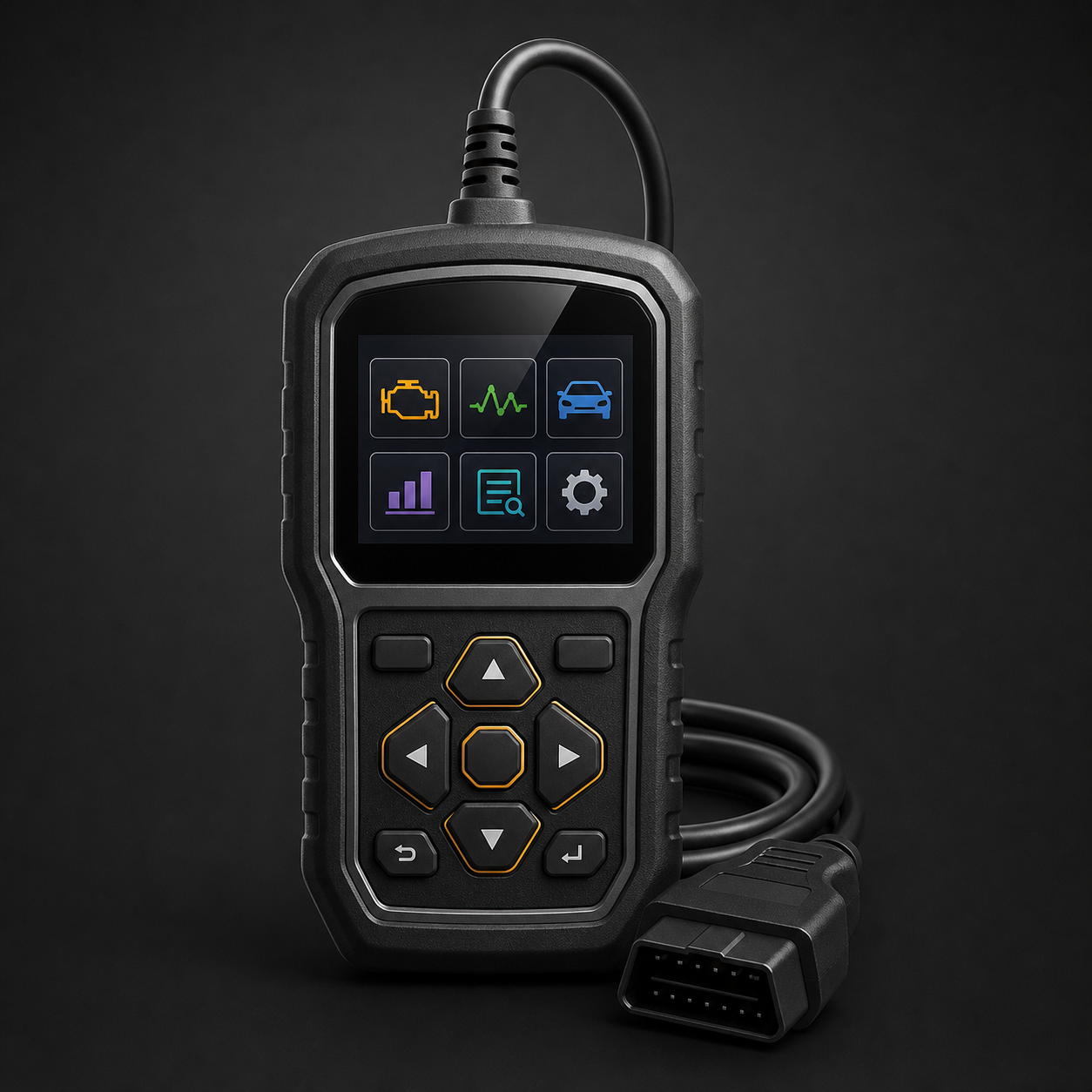
OBD-II scanner, Multimeter, Socket set, Wire repair tools

This summary uses the existing diagnostic information shown in full below.

Laymans terms

This code means there's a problem with the part of your car that helps the engine know how much fuel to use. It's like the car's nose isn't working right to smell how clean the air is.

Explanation

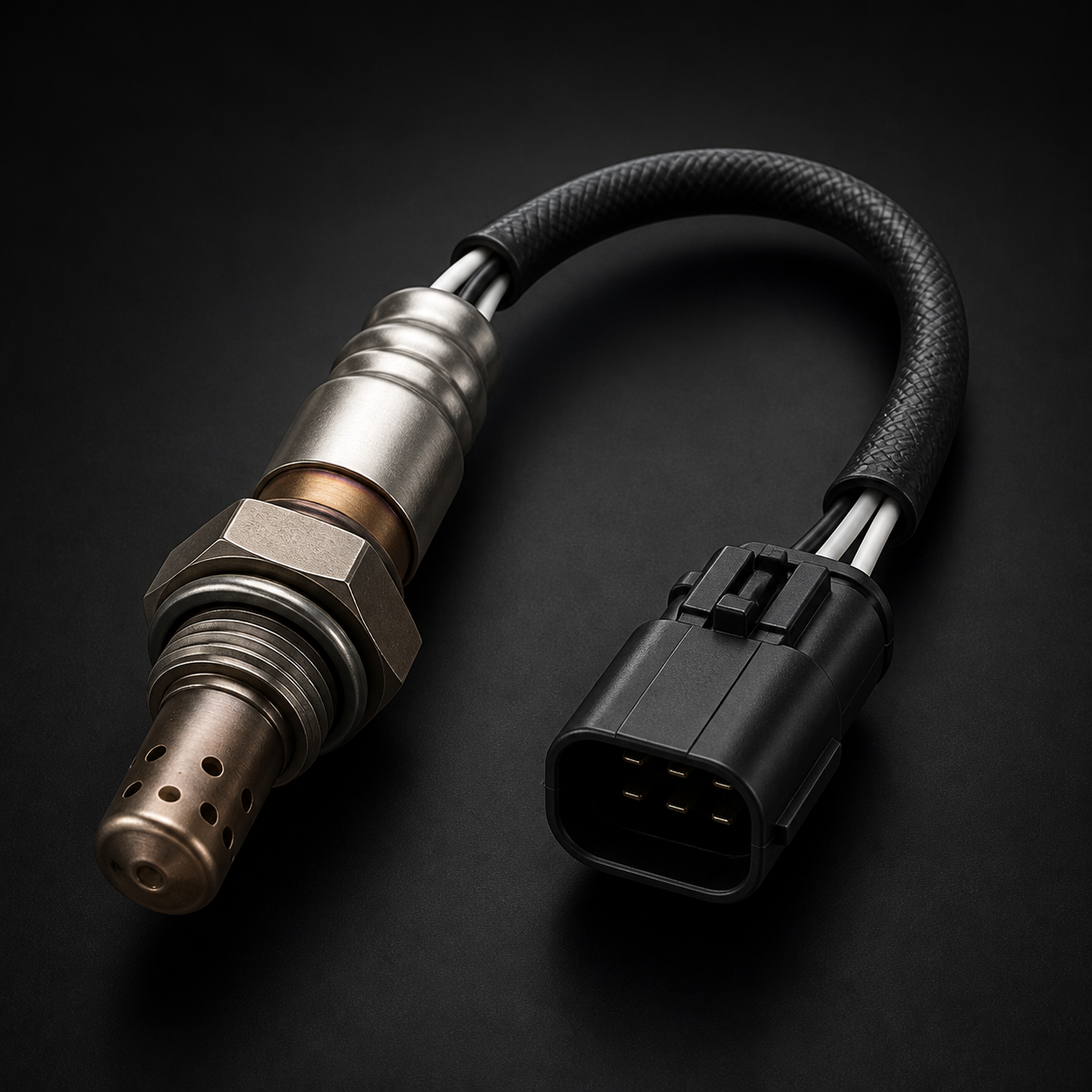
The P0135 code indicates a malfunction in the heater circuit of the oxygen sensor located in Bank 1, Sensor 1. This sensor helps the engine control the air-fuel mixture.

Technical description

The oxygen sensor in Bank 1, Sensor 1 is responsible for measuring the amount of oxygen in the exhaust gases. It has a built-in heater to quickly reach operating temperature. The P0135 code is triggered when the Engine Control Module (ECM) detects a failure in this heater circuit, meaning the sensor may not be reaching the necessary temperature to provide accurate readings.

Symptoms

• Check Engine Light is on

• Increased fuel consumption

• Poor engine performance

• Failed emissions test

Common Causes

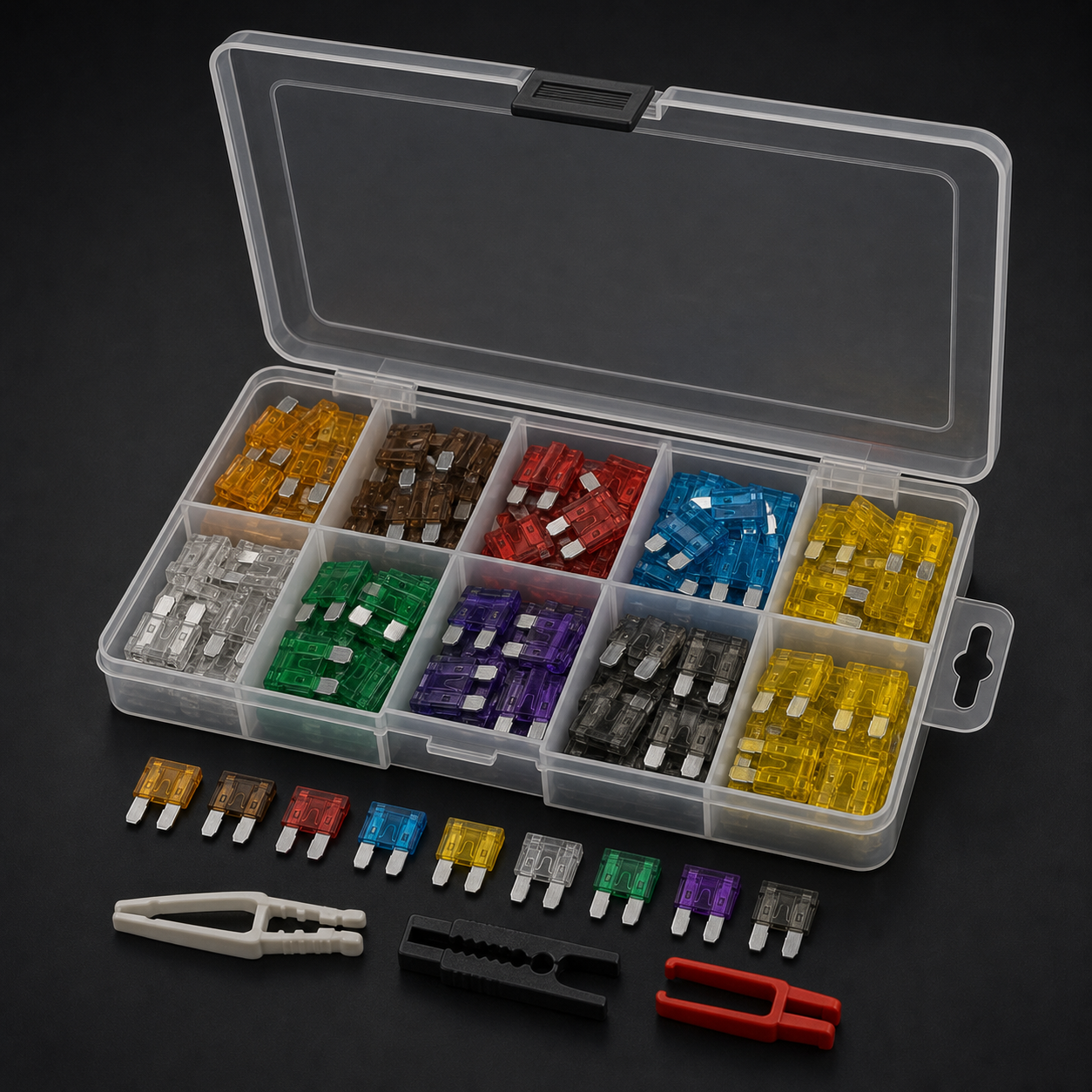
• Blown fuse for the oxygen sensor heater circuit

• Faulty oxygen sensor

• Wiring issues such as open or short circuits

• Poor electrical connections

Glossary

Oxygen Sensor: A device that measures the proportion of oxygen in the exhaust gases.

Heater Circuit: A component that heats the oxygen sensor to ensure accurate readings.

Diagnosis steps

• Use an OBD-II scanner to verify the P0135 code.

• Inspect the oxygen sensor and its wiring for damage.

• Check the fuse for the oxygen sensor heater circuit.

• Test the oxygen sensor heater circuit for continuity.

Repair procedures

• Replace the blown fuse if necessary.

• Repair or replace damaged wiring or connectors.

• Replace the faulty oxygen sensor.

• Clear the code and test drive the vehicle to ensure the issue is resolved.

Tools required

• OBD-II scanner

• Multimeter

• Socket set

• Wire repair tools

Estimated repair cost

$100 - $300

Difficulty level

Moderate

Commonly affected vehicles

• Toyota Camry

• Honda Accord

• Ford F-150

Preventive measures

• Regularly inspect and maintain the vehicle's exhaust system.

• Replace oxygen sensors at recommended intervals.

• Ensure proper electrical connections and wiring integrity.

Error code type

Sensor Issue

User experience recommendations

• Have a professional inspect and diagnose the issue if you're unsure.

• Avoid ignoring the Check Engine Light as it can lead to further issues.

• Consider regular vehicle maintenance to prevent such issues.

Warranty information

Check with your vehicle manufacturer for warranty coverage on emissions-related components.

Historical data

The P0135 code has been a common issue in vehicles with older oxygen sensor designs, particularly in models from the late 1990s and early 2000s.

Urgency level

Moderate – While the car may still run, it's important to address this issue to maintain fuel efficiency and emissions standards.

Testing conditions

• Engine at operating temperature

• Vehicle in a safe, stationary position

Component location

The oxygen sensor is located in the exhaust manifold or exhaust pipe before the catalytic converter on Bank 1.

FAQs

Q: Can I drive with a P0135 code?
A: While you can drive with this code, it's not recommended as it can lead to poor fuel economy and increased emissions.

Q: How do I know if my oxygen sensor is bad?
A: Common signs include a Check Engine Light, poor fuel economy, and rough engine performance.

Optional diagnostic gear

Tools that may help diagnose P0135

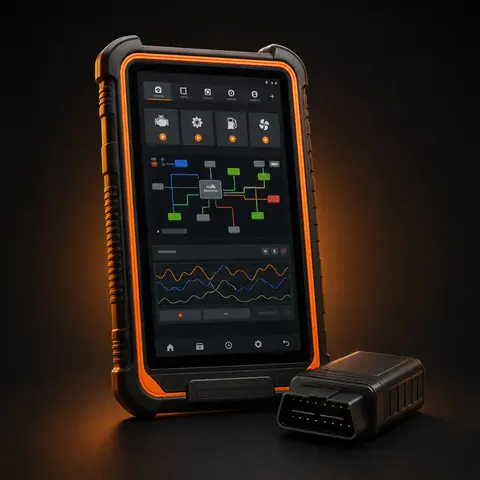
THINKCAR ThinkScan Bidirectional diagnostic tool illustration

High-End · Full-system diagnostics

THINKCAR ThinkScan Bidirectional

A full-system bidirectional platform aimed at advanced DIY users and professional diagnostic workflows.

Network faults often require full-system access instead of a generic code reader alone.

View on Amazon
Klein Tools MM325 diagnostic tool illustration

Universal · Digital multimeter

Klein Tools MM325

A solid entry-level multimeter for voltage, continuity, resistance, and basic electrical troubleshooting.

Helpful for checking voltage drops, grounds, and basic circuit health when modules are not communicating.

View on Amazon
WORKPRO Wiring Repair Kit diagnostic tool illustration

Universal · Wire connectors and repair kit

WORKPRO Wiring Repair Kit

Useful when diagnosis points toward damaged wiring, corroded terminals, or connector repairs.

Useful if diagnosis points toward damaged connectors, wiring, or terminal repairs.

View on Amazon

These are optional diagnostic tools, not guaranteed fixes. As an Amazon Associate I earn from qualifying purchases.

Fitment matters

Commonly referenced parts for P0135

Denso Oxygen Sensor product illustration

Fitment Required · Vehicle-fitment part

Denso Oxygen Sensor

Relevant when the code or supporting diagnostics point toward upstream or downstream oxygen-sensor faults.

This code family often involves upstream or downstream oxygen-sensor diagnosis.

Verify exact sensor position and vehicle fitment before buying.

View options on Amazon
Walker Catalytic Converter product illustration

Fitment Required · Vehicle-fitment part

Walker Catalytic Converter

Relevant when catalyst-efficiency or emissions faults persist after proper diagnosis.

Catalyst-efficiency faults sometimes point toward converter problems after proper testing.

Catalytic converters are highly vehicle-specific and should not be purchased by code alone.

View options on Amazon

These parts may be related to this fault category, but a code by itself does not confirm exact fitment or guarantee that replacing a part will solve the problem.

Source: ezOBD2 diagnostic database
🌙