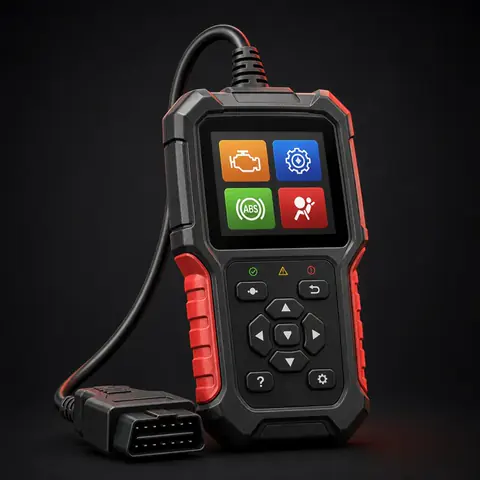
Pro · Four-system diagnostics
FOXWELL Multi-System Scanner
A handheld scanner aimed at engine, transmission, ABS, and airbag diagnostic work.
Chassis and ABS faults usually need a scanner that can read brake-system data directly.
View on Amazon
Easy one-page printout for the garage or repair shop
This summary uses the existing diagnostic information shown in full below.
This code means that the car's computer is getting a signal from a sensor that measures air pressure, and the signal is too low. It's like when you try to blow up a balloon, but it doesn't fill up because there's a hole in it.
The P0107 code is triggered when the Engine Control Module (ECM) detects a low voltage signal from the Manifold Absolute Pressure (MAP) sensor. This sensor helps the engine adjust the air-fuel mixture for optimal performance.
The MAP sensor measures the pressure inside the intake manifold and sends this information to the ECM. The ECM uses this data to calculate the air density and determine the engine's air mass flow rate, which is crucial for adjusting the fuel injection and ignition timing. A low voltage signal indicates that the sensor is reporting a lower pressure than expected, which can lead to poor engine performance.
• Check Engine Light is on
• Poor fuel economy
• Engine misfires
• Lack of power
• Faulty MAP sensor
• Wiring issues such as shorts or open circuits
• Vacuum leaks in the intake manifold
• Faulty ECM
MAP Sensor: Manifold Absolute Pressure Sensor, which measures the pressure inside the intake manifold.
ECM: Engine Control Module, the computer that manages engine functions.
• Use an OBD-II scanner to confirm the code.
• Inspect the MAP sensor and its wiring for damage.
• Check for vacuum leaks in the intake manifold.
• Test the MAP sensor voltage with a multimeter.
• Replace the MAP sensor if faulty.
• Repair or replace damaged wiring.
• Fix any vacuum leaks.
• Reprogram or replace the ECM if necessary.
• OBD-II scanner
• Multimeter
• Vacuum leak detector
$100 - $300
Moderate
• Honda Civic
• Toyota Camry
• Ford F-150
• Regularly inspect and maintain the MAP sensor.
• Check for vacuum leaks during routine maintenance.
• Ensure wiring connections are secure and free from corrosion.
Sensor Issue
• Avoid driving with this code for long periods to prevent engine damage.
• Consult a professional mechanic if unsure about repairs.
Check your vehicle's warranty for coverage on sensors and emissions-related components.
P0107 has been a common diagnostic trouble code since the introduction of OBD-II systems, often related to sensor wear or wiring issues.
Moderate – Addressing this issue promptly can prevent further engine performance problems.
Driving with a faulty MAP sensor can lead to increased emissions, which may not comply with local regulations.
• Engine running at idle
• Engine at normal operating temperature
The MAP sensor is typically located on or near the intake manifold.
Q: Can I drive my car with a P0107 code?
A: It's not recommended to drive for extended periods with this code, as it can lead to poor engine performance and increased emissions.
Q: How do I know if my MAP sensor is bad?
A: Symptoms of a bad MAP sensor include poor fuel economy, engine misfires, and a lack of power. A diagnostic scan can confirm the issue.
Pro · Four-system diagnostics
A handheld scanner aimed at engine, transmission, ABS, and airbag diagnostic work.
Chassis and ABS faults usually need a scanner that can read brake-system data directly.
View on Amazon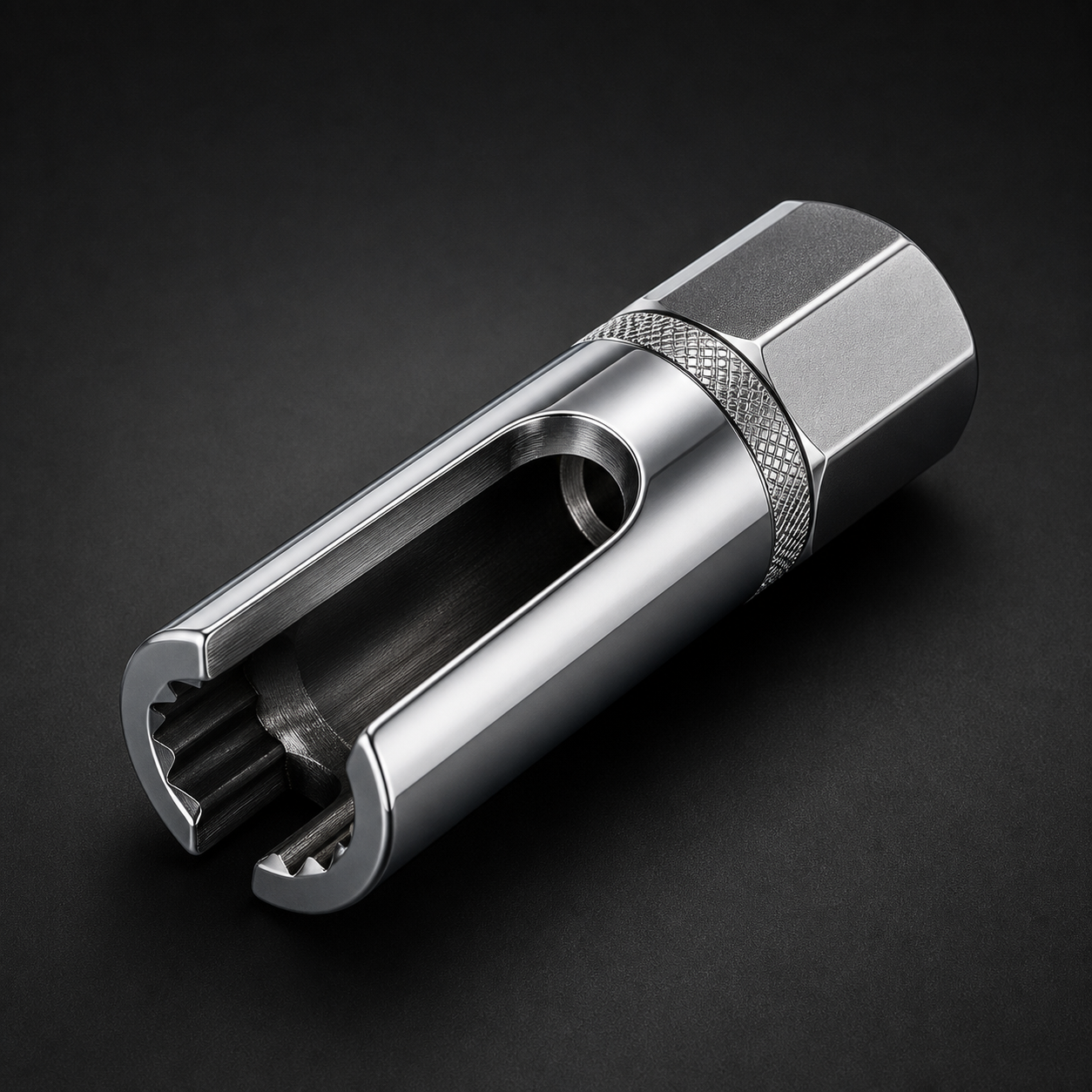
Universal · Torque wrench
Useful when reassembly torque matters for wheel, suspension, and under-hood fasteners.
Useful when wheel, hub, or suspension hardware needs correct reassembly torque.
View on Amazon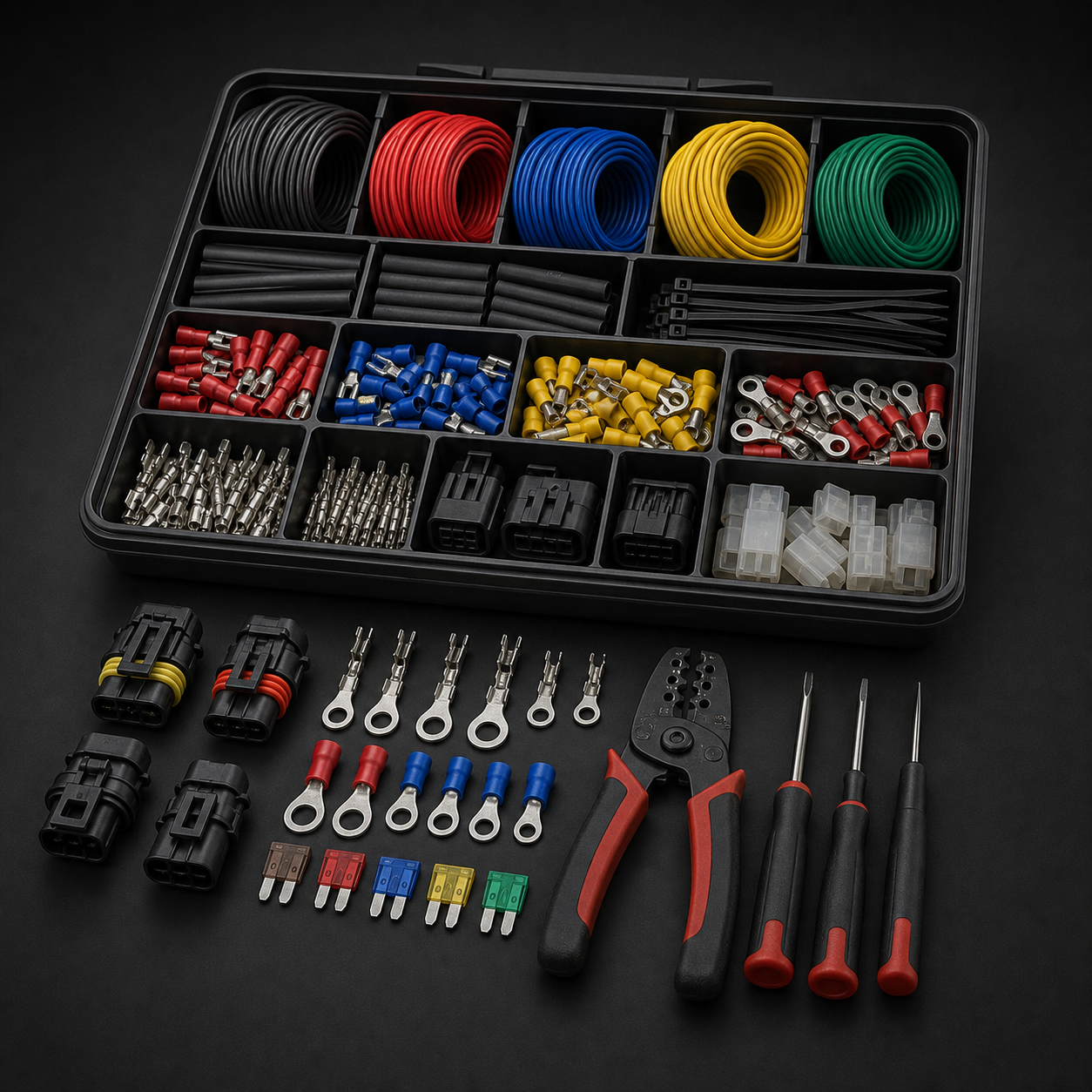
Universal · Drive-on ramps
Helpful for safer access underneath the vehicle during exhaust, EVAP, and underbody inspection work.
Helpful for safer access during underbody inspection work.
View on AmazonThese are optional diagnostic tools, not guaranteed fixes. As an Amazon Associate I earn from qualifying purchases.
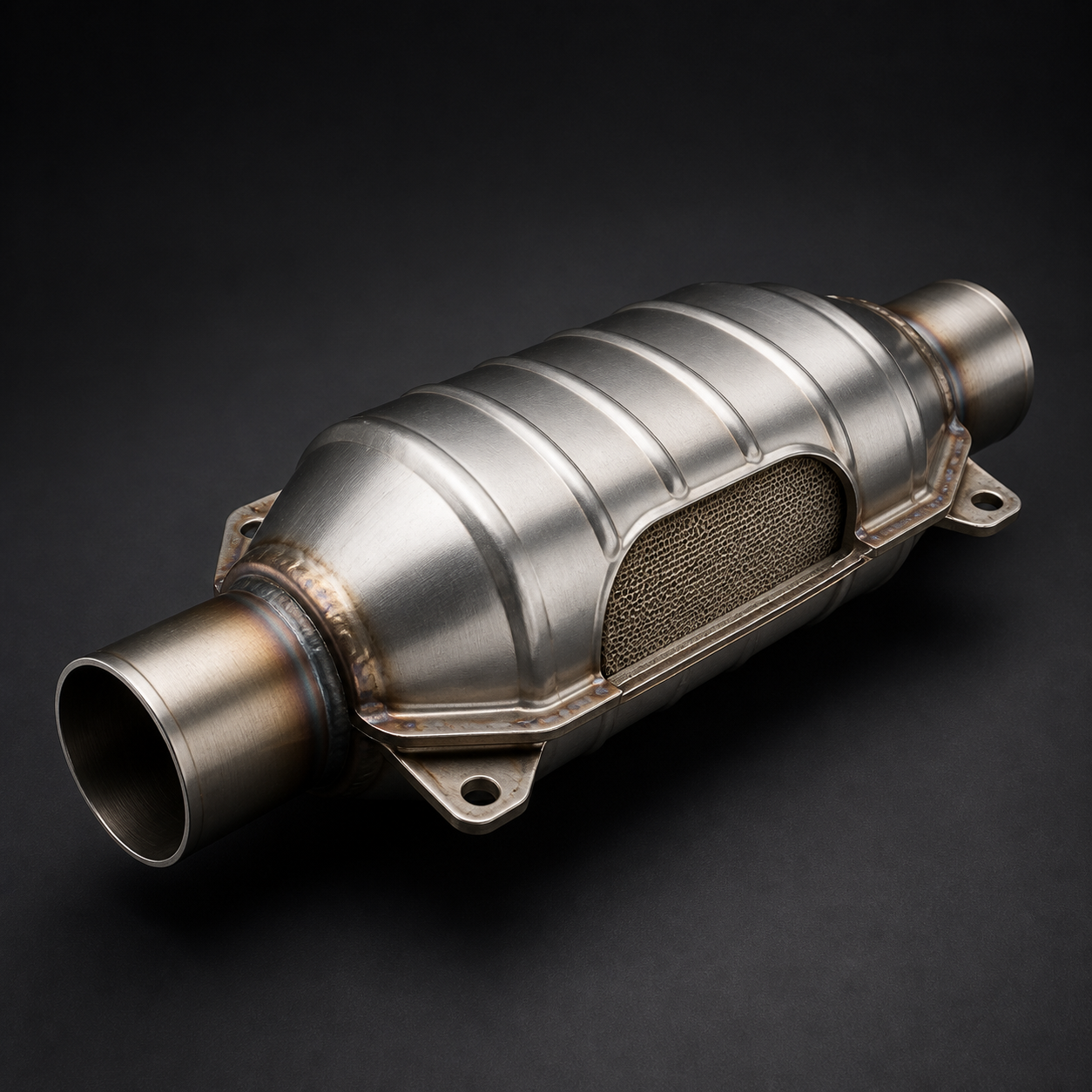
Fitment Required · Vehicle-fitment part
Commonly relevant for misfire, ignition-efficiency, and some drivability-related repairs.
Misfire and ignition-related faults commonly involve spark plugs as part of the repair path.
Check the correct plug type, gap, and engine application for your vehicle.
View options on Amazon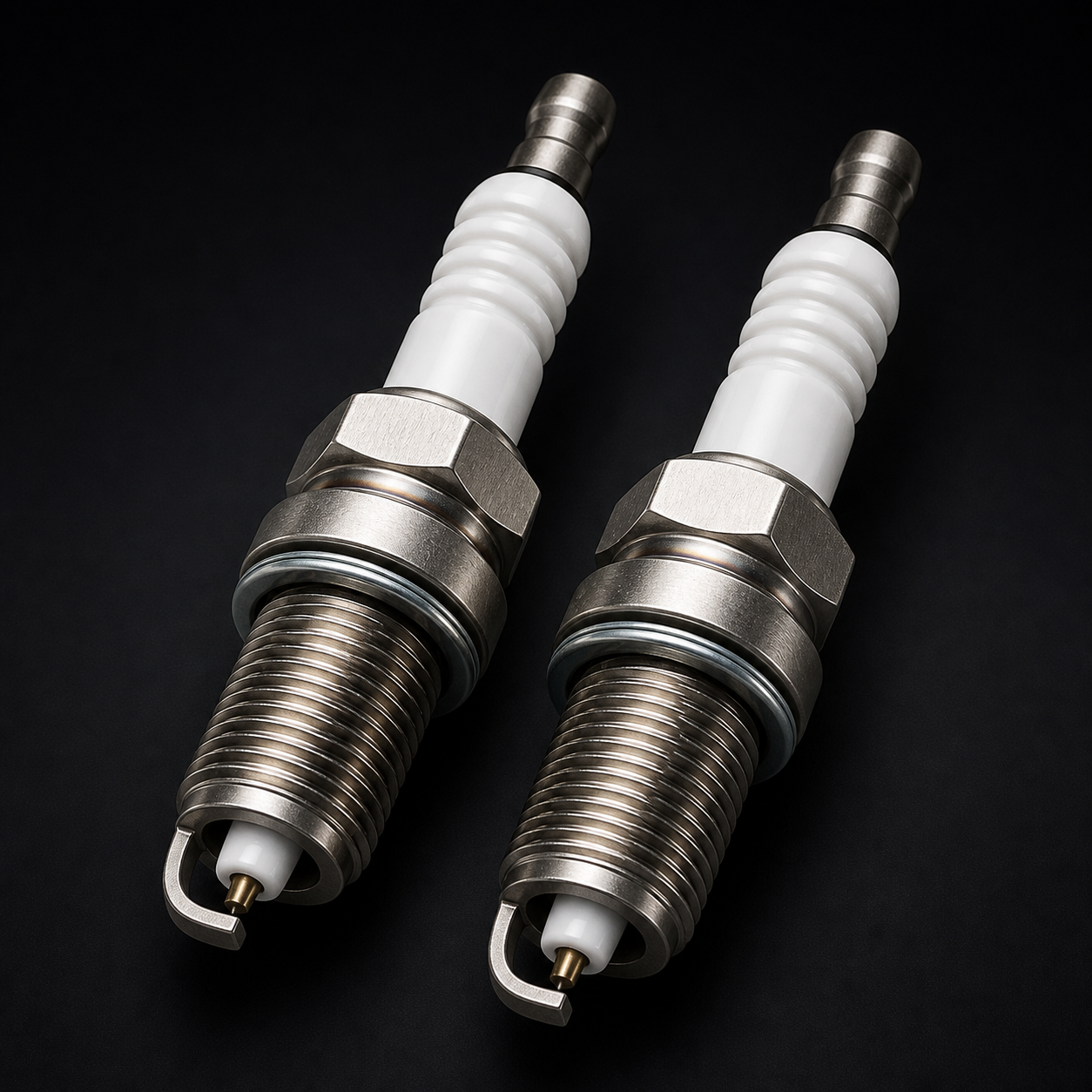
Fitment Required · Vehicle-fitment part
Relevant when the fault points toward ignition-coil performance or cylinder-specific ignition issues.
Some ignition faults involve coil performance or cylinder-specific coil problems.
Match the coil to your engine and confirm the failed component before ordering.
View options on AmazonThese parts may be related to this fault category, but a code by itself does not confirm exact fitment or guarantee that replacing a part will solve the problem.