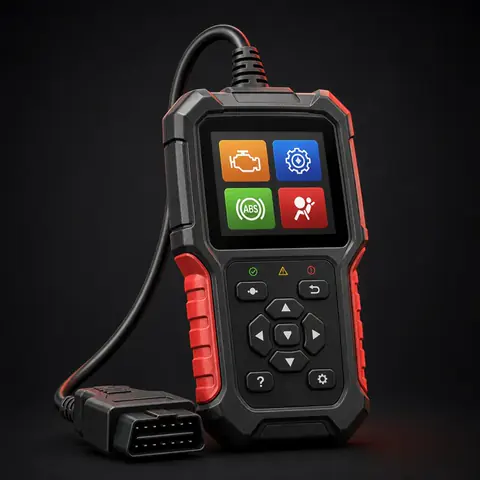
Pro · Four-system diagnostics
FOXWELL Multi-System Scanner
A handheld scanner aimed at engine, transmission, ABS, and airbag diagnostic work.
Chassis and ABS faults usually need a scanner that can read brake-system data directly.
View on Amazon
Easy one-page printout for the garage or repair shop
This summary uses the existing diagnostic information shown in full below.
This code means there's a problem with a part of your car that helps switch between different driving modes, like 2-wheel drive and 4-wheel drive. It's like a light switch not working properly.
The transfer case encoder motor is responsible for shifting the transfer case between different drive modes. The 'B' contact plate is part of the circuit that helps detect the position of the transfer case. A failure in this circuit means the system can't accurately determine the position.
The C1500 code indicates a malfunction in the encoder circuit associated with the 'B' contact plate of the transfer case. This circuit is crucial for providing feedback to the control module about the position of the transfer case, which is essential for proper operation of the vehicle's drivetrain.
• 4WD warning light illuminated
• Inability to switch between 2WD and 4WD
• Unusual noises from the transfer case
• Faulty transfer case encoder motor
• Damaged wiring or connectors
• Faulty transfer case control module
Transfer Case: A part of the drivetrain that allows switching between 2WD and 4WD.
Encoder Motor: A motor that helps control the position of the transfer case.
• Inspect the transfer case encoder motor for damage.
• Check the wiring and connectors for continuity and damage.
• Test the transfer case control module for faults.
• Replace the transfer case encoder motor.
• Repair or replace damaged wiring or connectors.
• Replace the transfer case control module if faulty.
• OBD-II scanner
• Multimeter
• Socket set
$200 - $800
Moderate
• Chevrolet Silverado
• GMC Sierra
• Cadillac Escalade
• Regular maintenance of the transfer case system
• Ensure wiring and connectors are secure and undamaged
• Perform regular diagnostic checks
Sensor Issue
• Avoid using 4WD until the issue is resolved.
• Consult a professional mechanic for diagnosis and repair.
Check with your vehicle manufacturer for warranty coverage on drivetrain components.
This code has been associated with vehicles that frequently switch between 2WD and 4WD, leading to wear on the encoder motor.
Moderate – While not immediately critical, it should be addressed to avoid drivetrain issues.
Ignoring this issue may lead to further drivetrain damage and potential safety risks.
• Vehicle must be on a flat surface.
• Ensure the vehicle is in park or neutral with the parking brake engaged.
The transfer case encoder motor is typically located on the transfer case, which is beneath the vehicle near the center.
Q: Can I drive my car with this code?
A: It's best to avoid using 4WD until the issue is fixed, but you can drive in 2WD if necessary.
Q: How do I reset the code?
A: After repairs, use an OBD-II scanner to clear the code. If the issue persists, the code may return.
Pro · Four-system diagnostics
A handheld scanner aimed at engine, transmission, ABS, and airbag diagnostic work.
Chassis and ABS faults usually need a scanner that can read brake-system data directly.
View on Amazon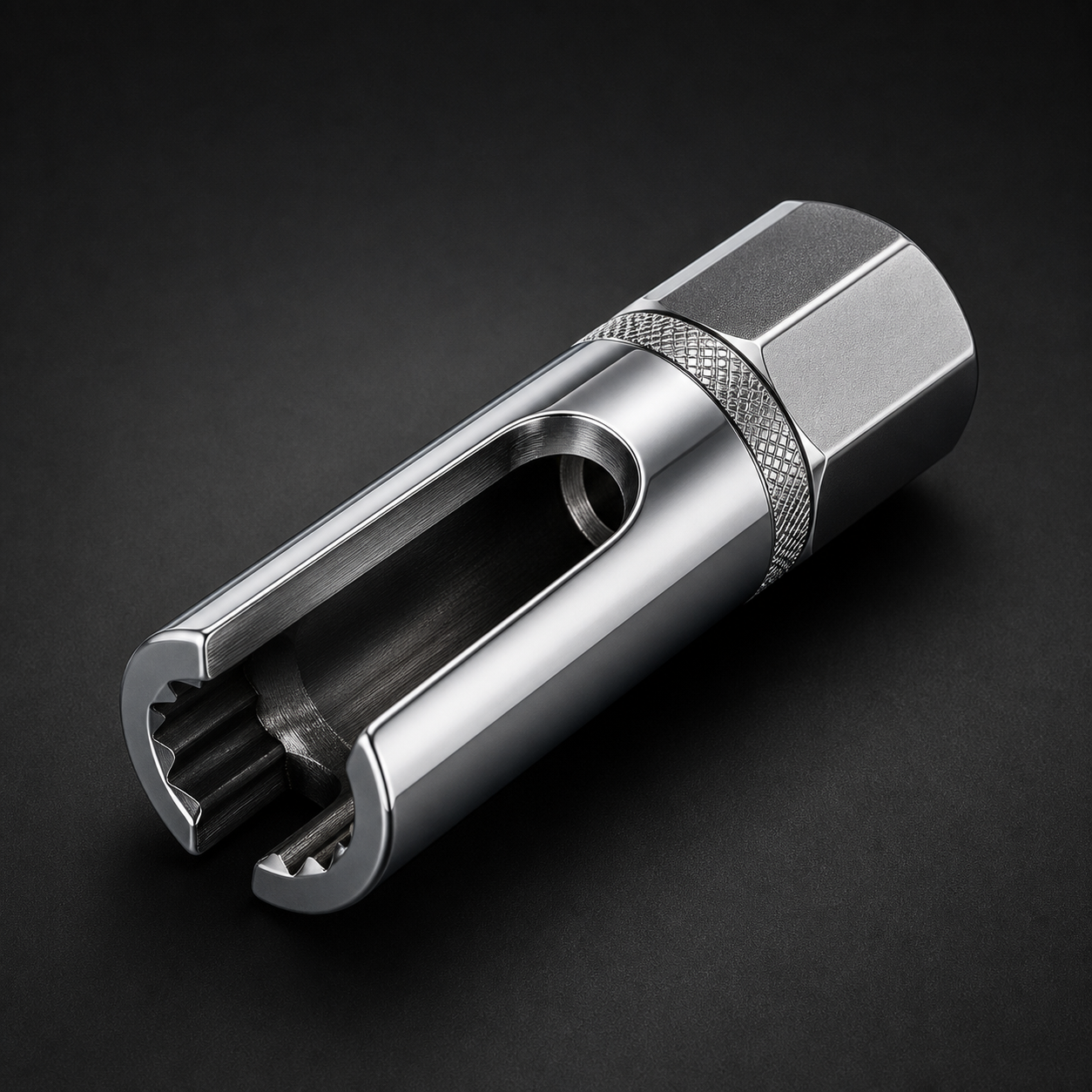
Universal · Torque wrench
Useful when reassembly torque matters for wheel, suspension, and under-hood fasteners.
Useful when wheel, hub, or suspension hardware needs correct reassembly torque.
View on Amazon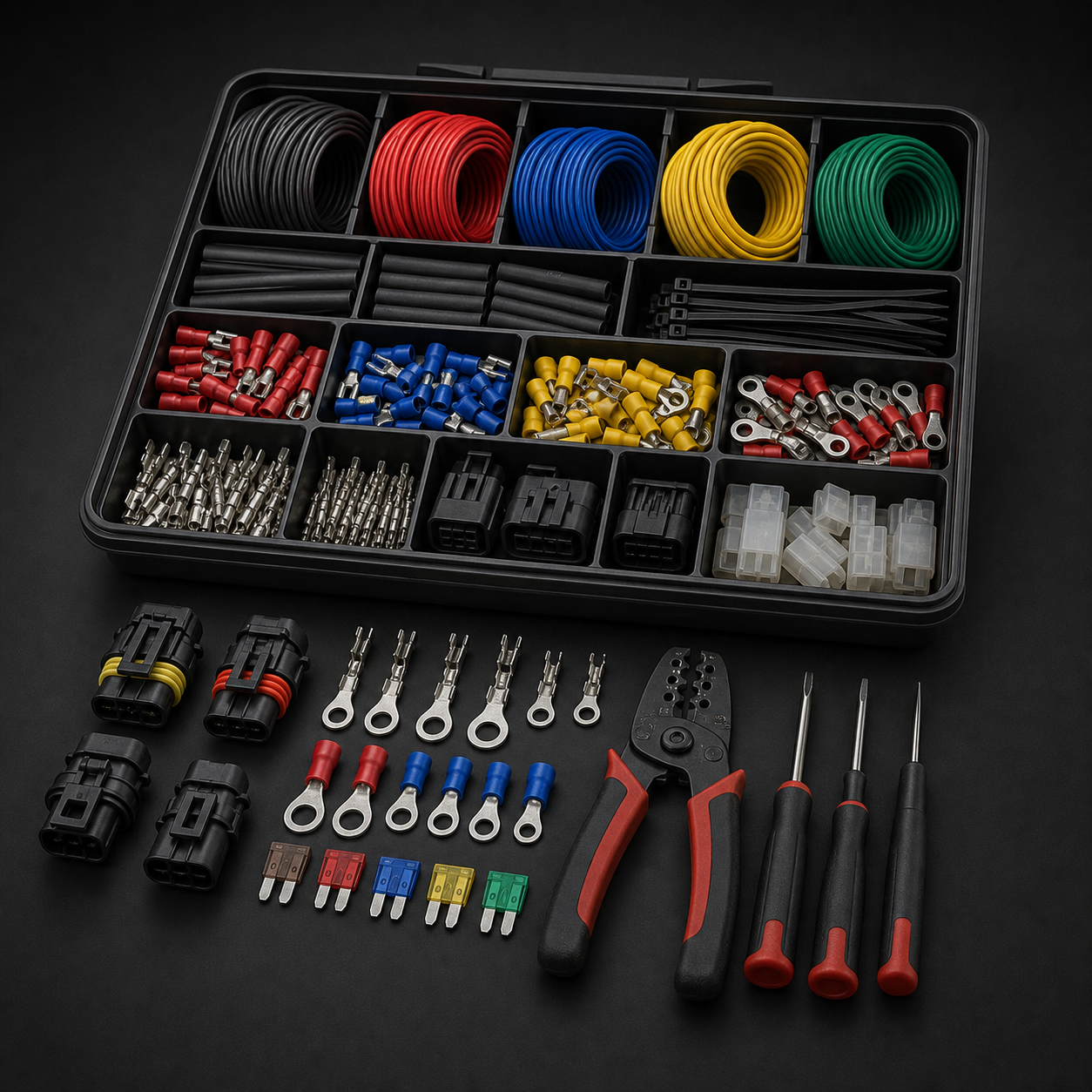
Universal · Drive-on ramps
Helpful for safer access underneath the vehicle during exhaust, EVAP, and underbody inspection work.
Helpful for safer access during underbody inspection work.
View on AmazonThese are optional diagnostic tools, not guaranteed fixes. As an Amazon Associate I earn from qualifying purchases.