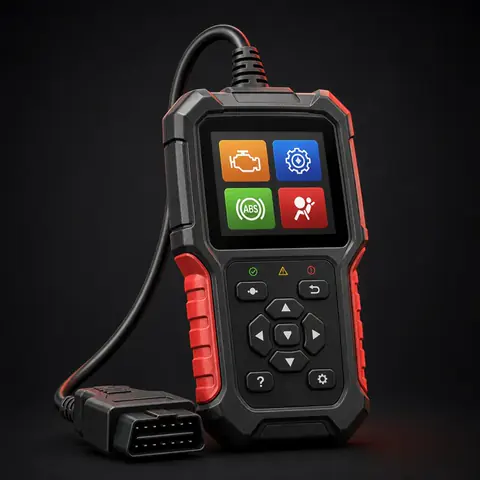
Pro · Four-system diagnostics
FOXWELL Multi-System Scanner
A handheld scanner aimed at engine, transmission, ABS, and airbag diagnostic work.
Chassis and ABS faults usually need a scanner that can read brake-system data directly.
View on Amazon
Easy one-page printout for the garage or repair shop
This summary uses the existing diagnostic information shown in full below.
The car's computer is getting confusing signals from the sensor on the left back wheel, which helps it know how fast the wheel is turning.
The wheel speed sensor on the left rear wheel is sending signals that don't make sense to the car's computer.
The C1237 code indicates that the ABS module has detected an implausible signal from the left rear wheel speed sensor. This could mean the sensor is sending erratic or inconsistent data, which the module cannot interpret correctly.
• ABS warning light on
• Inconsistent braking performance
• Traction control issues
• Faulty wheel speed sensor
• Damaged wiring or connectors
• Malfunctioning ABS module
ABS: Anti-lock Braking System
OBD-II: On-Board Diagnostics, Second Generation
• Inspect the left rear wheel speed sensor for damage.
• Check the wiring and connectors for corrosion or breaks.
• Test the ABS module for faults.
• Replace the faulty wheel speed sensor.
• Repair or replace damaged wiring or connectors.
• Reprogram or replace the ABS module if necessary.
• OBD-II scanner
• Multimeter
• Socket set
$100 - $300
Moderate
• Ford Explorer
• Toyota Camry
• Honda Accord
• Regular maintenance checks
• Ensure sensors are clean and properly connected
• Avoid harsh driving conditions
Sensor Issue
• Have your vehicle inspected by a professional.
• Avoid heavy braking until the issue is resolved.
Check with your vehicle manufacturer; wheel speed sensors may be covered under powertrain warranty.
This code has been commonly reported in vehicles with high mileage or those frequently driven in harsh conditions.
Moderate – It affects braking performance, which can be a safety concern.
Driving with a malfunctioning ABS system can increase stopping distances and reduce vehicle control.
• Vehicle on a lift
• Wheels free to rotate
The left rear wheel speed sensor is located near the brake rotor on the left rear wheel.
Q: Can I drive with a C1237 code?
A: It's not recommended as it can affect your braking performance.
Q: How do I reset the ABS light?
A: Fix the underlying issue first, then use an OBD-II scanner to clear the code.
Pro · Four-system diagnostics
A handheld scanner aimed at engine, transmission, ABS, and airbag diagnostic work.
Chassis and ABS faults usually need a scanner that can read brake-system data directly.
View on Amazon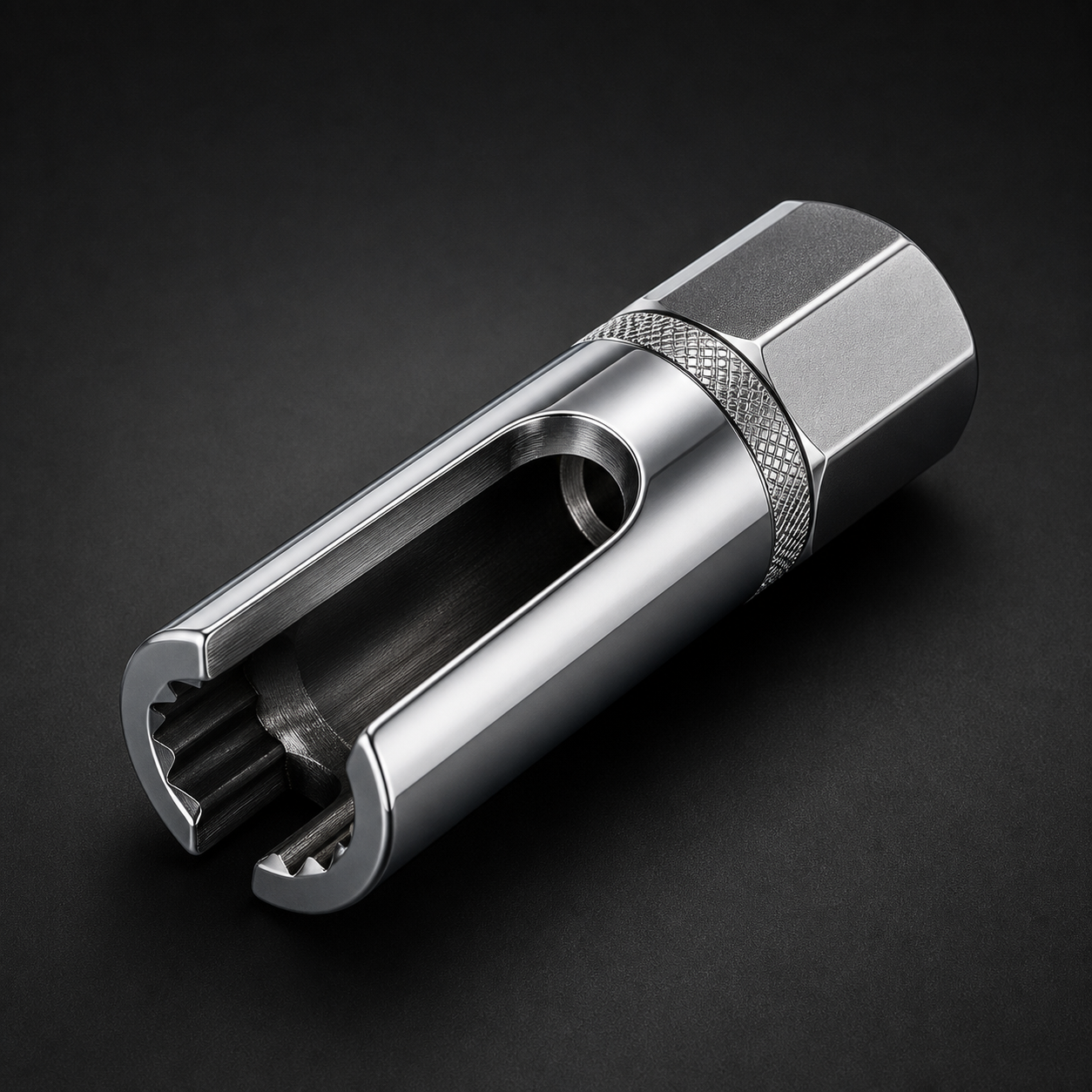
Universal · Torque wrench
Useful when reassembly torque matters for wheel, suspension, and under-hood fasteners.
Useful when wheel, hub, or suspension hardware needs correct reassembly torque.
View on Amazon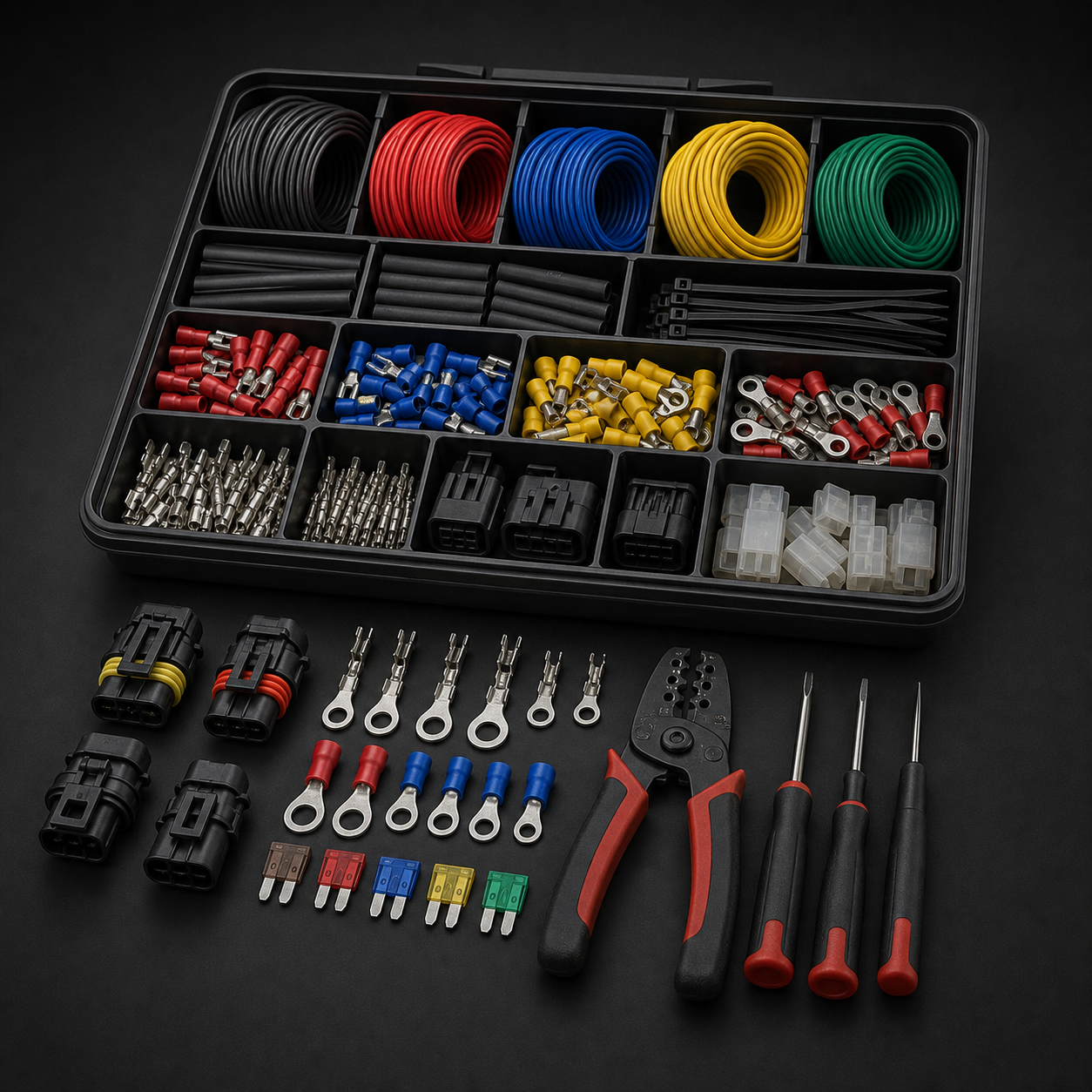
Universal · Drive-on ramps
Helpful for safer access underneath the vehicle during exhaust, EVAP, and underbody inspection work.
Helpful for safer access during underbody inspection work.
View on AmazonThese are optional diagnostic tools, not guaranteed fixes. As an Amazon Associate I earn from qualifying purchases.