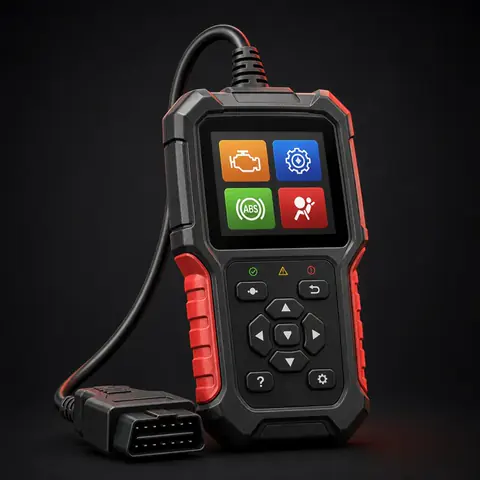
Pro · Four-system diagnostics
FOXWELL Multi-System Scanner
A handheld scanner aimed at engine, transmission, ABS, and airbag diagnostic work.
Chassis and ABS faults usually need a scanner that can read brake-system data directly.
View on Amazon
Easy one-page printout for the garage or repair shop
This summary uses the existing diagnostic information shown in full below.
This code means there's a problem with the computer that helps the car's back wheels stay stable and not slip when you drive.
The vehicle's stability control system uses sensors and processors to monitor and adjust the rear axle's slip angle to maintain traction and control.
C1154 indicates an issue with the processor that controls the rear axle slip angle. This processor is part of the vehicle's traction and stability control system, which helps prevent the rear wheels from slipping during acceleration, cornering, or in slippery conditions. The processor receives data from various sensors and adjusts the rear axle's behavior accordingly.
• Warning light on the dashboard
• Reduced vehicle stability
• Increased risk of wheel slip
• Faulty rear axle slip angle sensor
• Damaged wiring or connectors
• Malfunctioning control module
Slip Angle: The angle between the direction a wheel is pointing and the direction it is actually moving.
Processor: A component that processes data from sensors and executes control commands.
• Check for any other related trouble codes
• Inspect the rear axle slip angle sensor for damage
• Test the wiring and connectors for continuity
• Replace the faulty rear axle slip angle sensor
• Repair or replace damaged wiring
• Reprogram or replace the control module if necessary
• OBD-II scanner
• Multimeter
• Wrench set
$150 - $500
Moderate
• Toyota Camry
• Ford Explorer
• Honda Accord
• Regular maintenance checks
• Avoid driving on extremely slippery surfaces
• Ensure tires are properly inflated and in good condition
Stability Control System Issue
• Drive cautiously until the issue is resolved
• Avoid sudden maneuvers that could cause wheel slip
Check with the vehicle manufacturer for specific warranty coverage related to the stability control system.
This code has been associated with vehicles equipped with advanced stability control systems, which became more common in the early 2000s.
Moderate – While the vehicle is still drivable, it is recommended to address the issue to ensure optimal safety and handling.
Ignoring this issue could lead to decreased vehicle stability and increased risk of accidents, especially in adverse driving conditions.
• Dry, flat surface
• Controlled environment with minimal traffic
The rear axle slip angle control processor is typically located near the rear axle or integrated into the vehicle's main control module.
Q: Can I drive with a C1154 code?
A: Yes, but it's safer to get it fixed soon to avoid potential stability issues.
Q: What happens if I ignore this code?
A: Ignoring it could lead to reduced vehicle stability and increased risk of wheel slip.
Pro · Four-system diagnostics
A handheld scanner aimed at engine, transmission, ABS, and airbag diagnostic work.
Chassis and ABS faults usually need a scanner that can read brake-system data directly.
View on Amazon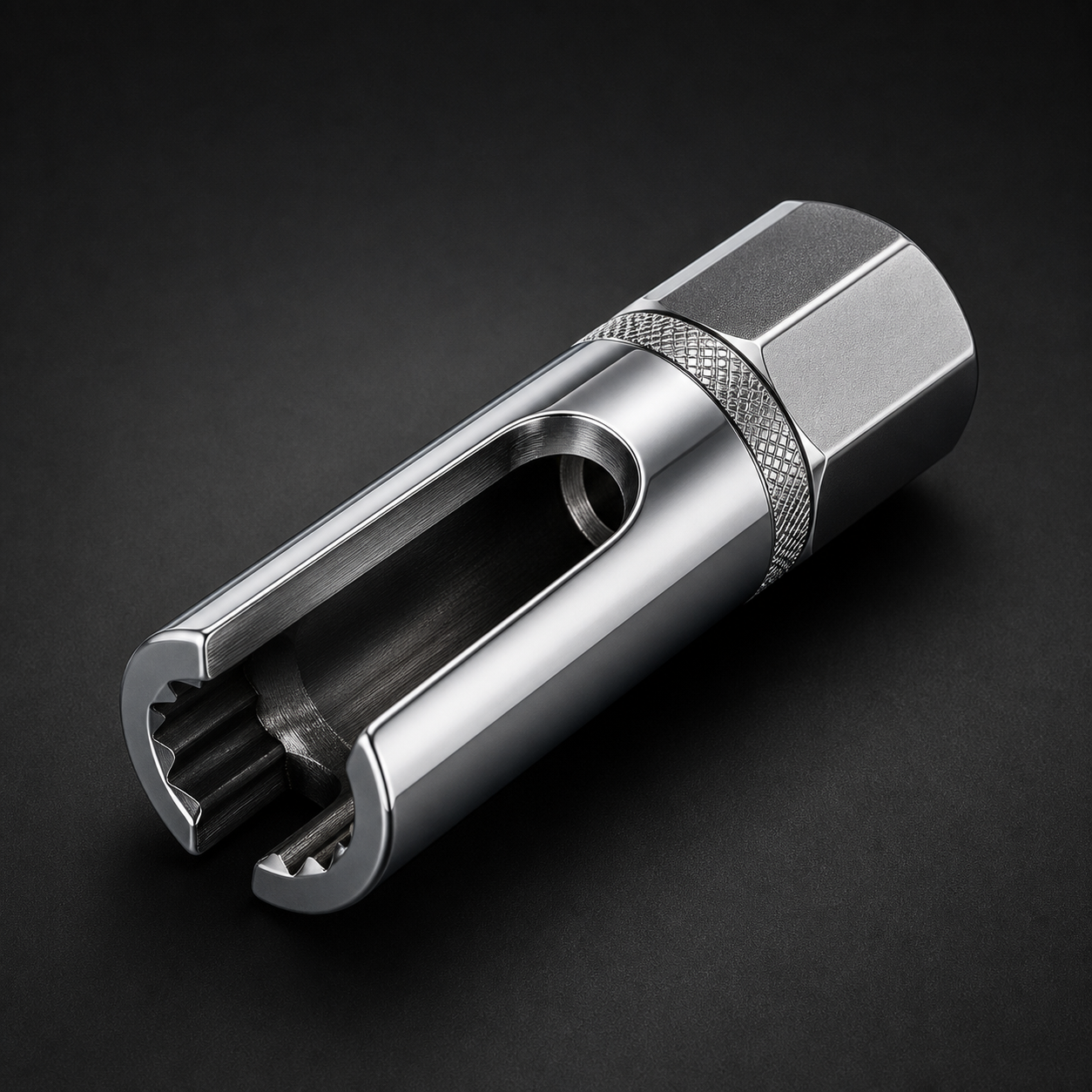
Universal · Torque wrench
Useful when reassembly torque matters for wheel, suspension, and under-hood fasteners.
Useful when wheel, hub, or suspension hardware needs correct reassembly torque.
View on Amazon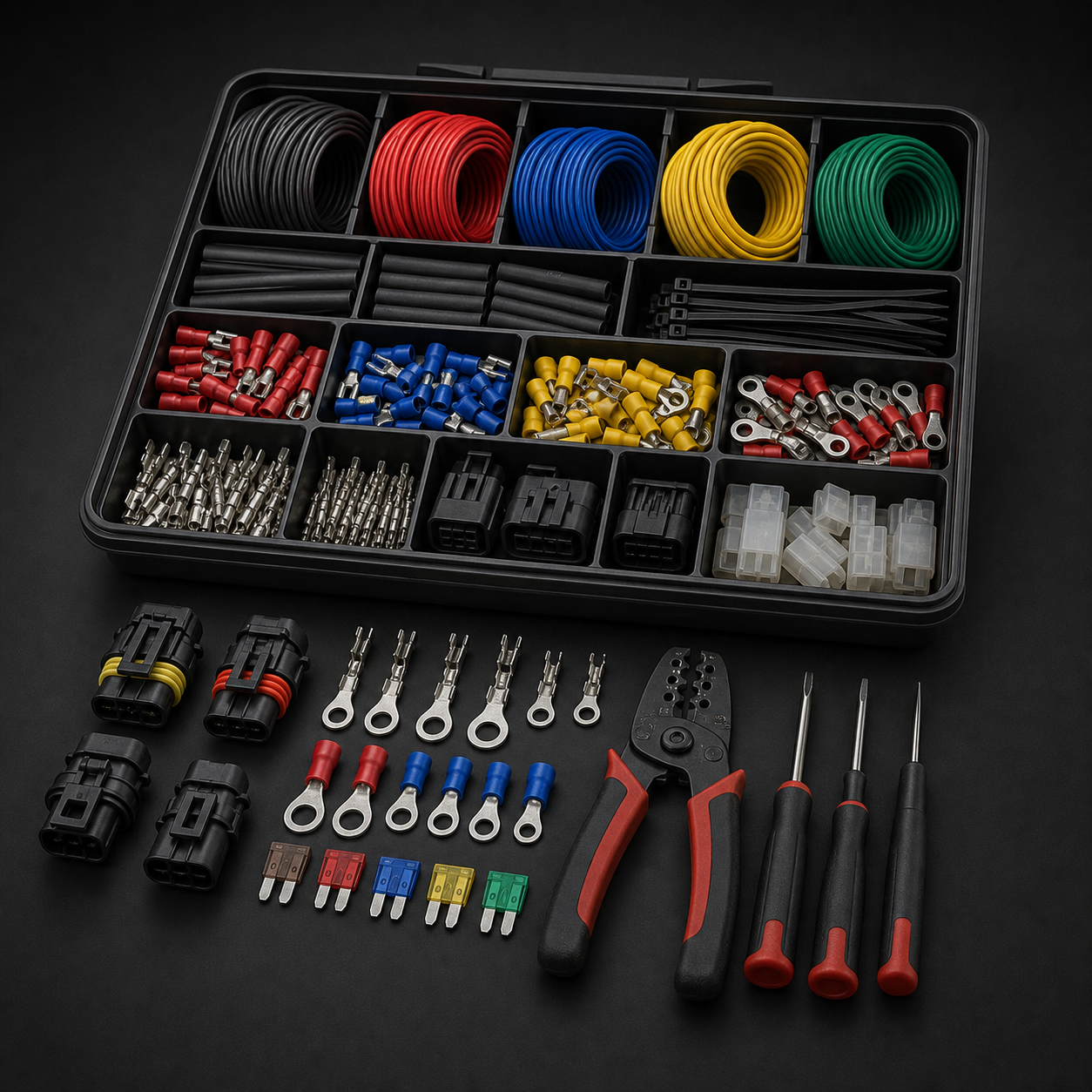
Universal · Drive-on ramps
Helpful for safer access underneath the vehicle during exhaust, EVAP, and underbody inspection work.
Helpful for safer access during underbody inspection work.
View on AmazonThese are optional diagnostic tools, not guaranteed fixes. As an Amazon Associate I earn from qualifying purchases.