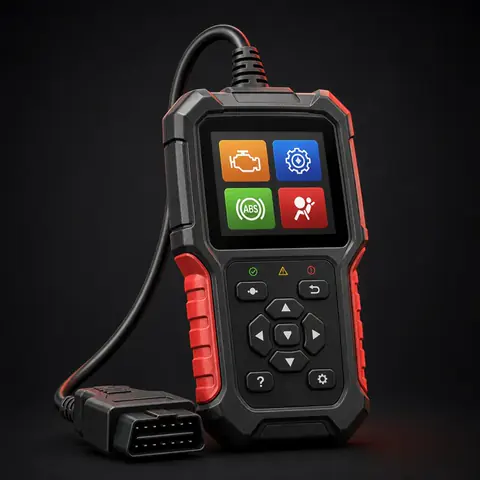
Pro · Four-system diagnostics
FOXWELL Multi-System Scanner
A handheld scanner aimed at engine, transmission, ABS, and airbag diagnostic work.
Chassis and ABS faults usually need a scanner that can read brake-system data directly.
View on Amazon
Easy one-page printout for the garage or repair shop
This summary uses the existing diagnostic information shown in full below.
This code means that the car's brakes aren't getting enough vacuum power to work properly. It's like trying to use a straw to drink when there's a hole in it.
The vehicle's brake system relies on vacuum pressure to assist in braking. When the vacuum is too low, the brakes may not function efficiently.
The C1035 code indicates that the vacuum level in the brake booster is insufficient. This could be due to a leak in the vacuum lines, a faulty vacuum pump, or a malfunctioning brake booster.
• Hard brake pedal
• Increased stopping distance
• Brake warning light on
• Vacuum leak in the brake system
• Faulty vacuum pump
• Defective brake booster
Vacuum: A space devoid of matter, used in the brake system to assist braking.
Brake Booster: A device that uses vacuum pressure to increase the force applied to the brake pedal.
• Inspect vacuum lines for leaks or damage
• Test the vacuum pump for proper operation
• Check the brake booster for leaks or faults
• Replace damaged vacuum lines
• Repair or replace the vacuum pump
• Replace the brake booster if faulty
• Vacuum gauge
• Wrench set
• Brake bleeder kit
$150 - $500
Moderate
• Ford F-150
• Chevrolet Silverado
• Toyota Camry
• Regularly inspect vacuum lines for wear
• Maintain brake system components
• Check for vacuum leaks during routine maintenance
Brake System Issue
• Do not ignore the brake warning light
• Have the brake system inspected by a professional
• Avoid driving if the brake pedal feels hard
Check with your vehicle manufacturer for specific warranty coverage related to brake system components.
This code has been associated with vehicles that have a history of vacuum pump or brake booster issues, particularly in models with high mileage.
High – Brake system issues can severely affect vehicle safety and should be addressed immediately.
Driving with a compromised brake system is dangerous and may be illegal in some regions.
• Vehicle should be on a flat surface
• Engine should be running to test vacuum levels
The brake booster is typically located on the driver's side near the firewall in the engine compartment.
Q: Can I drive with a C1035 code?
A: It's not recommended to drive with this code as it indicates a potential brake system failure.
Q: How do I know if my vacuum pump is faulty?
A: A faulty vacuum pump may cause a hard brake pedal and increased stopping distance.
Pro · Four-system diagnostics
A handheld scanner aimed at engine, transmission, ABS, and airbag diagnostic work.
Chassis and ABS faults usually need a scanner that can read brake-system data directly.
View on Amazon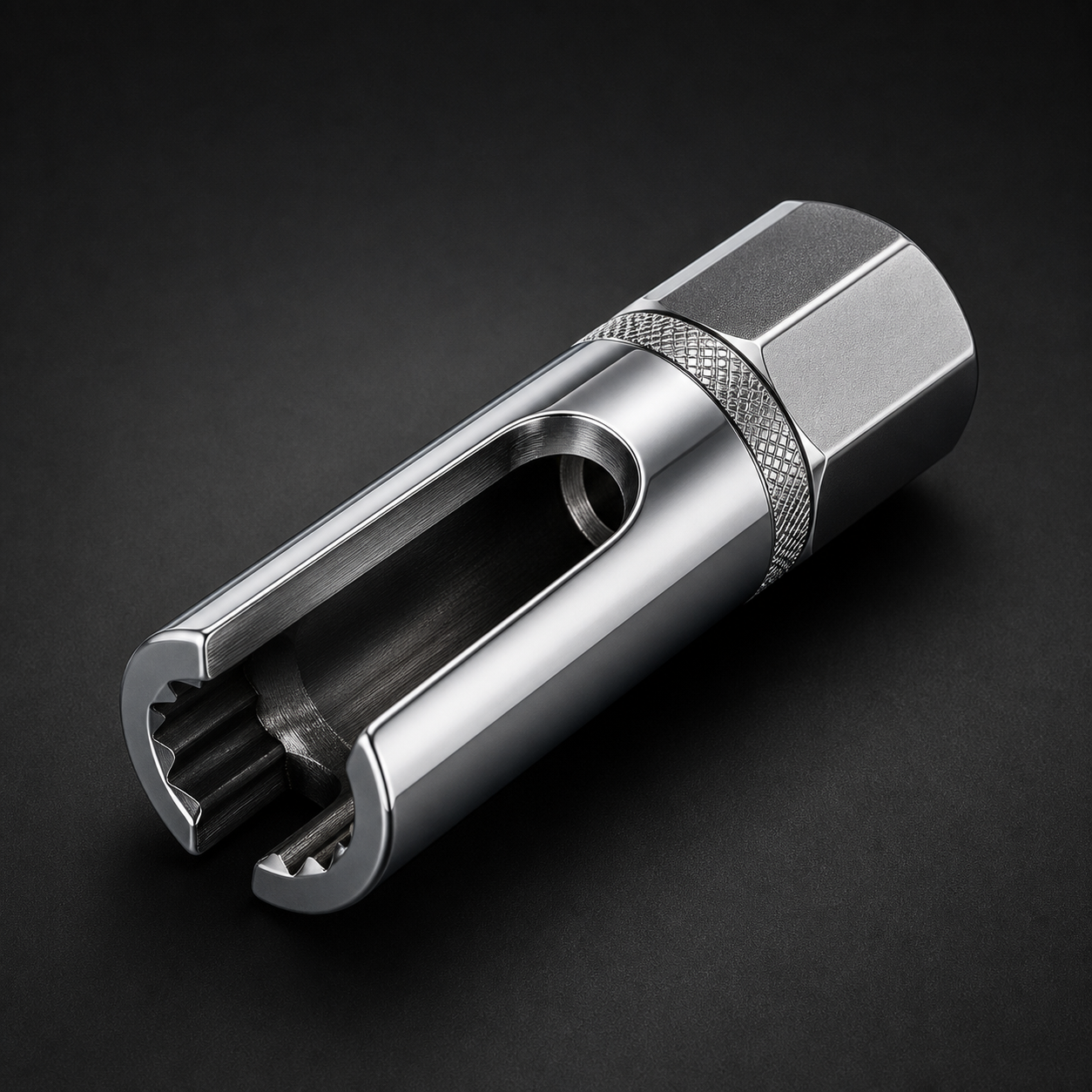
Universal · Torque wrench
Useful when reassembly torque matters for wheel, suspension, and under-hood fasteners.
Useful when wheel, hub, or suspension hardware needs correct reassembly torque.
View on Amazon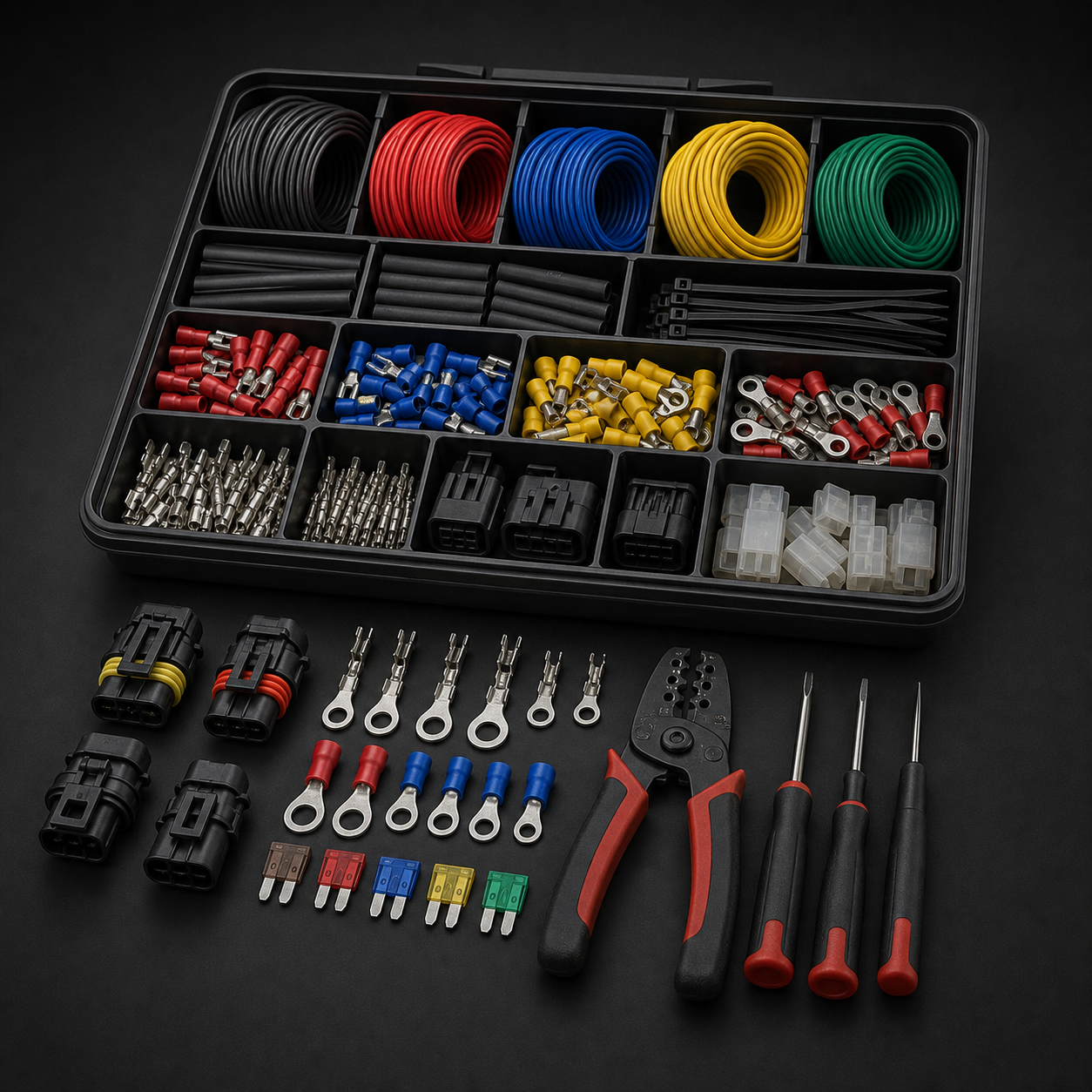
Universal · Drive-on ramps
Helpful for safer access underneath the vehicle during exhaust, EVAP, and underbody inspection work.
Helpful for safer access during underbody inspection work.
View on AmazonThese are optional diagnostic tools, not guaranteed fixes. As an Amazon Associate I earn from qualifying purchases.