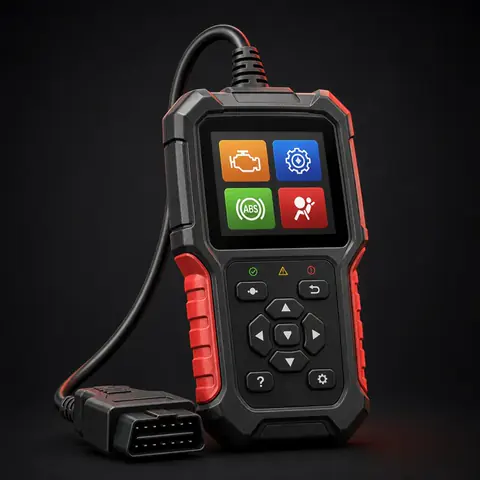
Pro · Four-system diagnostics
FOXWELL Multi-System Scanner
A handheld scanner aimed at engine, transmission, ABS, and airbag diagnostic work.
Chassis and ABS faults usually need a scanner that can read brake-system data directly.
View on Amazon
Easy one-page printout for the garage or repair shop
This summary uses the existing diagnostic information shown in full below.
This code means that there's a problem with a specific part of the car that the car maker has control over. It's like if a toy has a special part that only the toy company knows how to fix.
The C1000 code is a generic chassis code that indicates a problem with a system or component that is controlled by the vehicle manufacturer.
C1000 is a manufacturer-specific code that typically relates to issues in the vehicle's chassis systems, such as the suspension, steering, or braking systems. The exact nature of the problem can vary depending on the vehicle make and model.
• Warning light on dashboard
• Unusual noises
• Poor handling
• Faulty sensor
• Wiring issues
• Defective control module
DTC: Diagnostic Trouble Code
OBD-II: On-Board Diagnostics, second generation
• Check for other related codes
• Inspect wiring and connectors
• Test the relevant sensors or modules
• Replace faulty sensor
• Repair or replace damaged wiring
• Reprogram or replace control module
• OBD-II scanner
• Multimeter
• Basic hand tools
$100 - $500
Moderate
• Ford F-150
• Chevrolet Silverado
• Toyota Camry
• Regular maintenance checks
• Timely replacement of worn components
• Keeping software updated
Chassis Issue
• Have the vehicle inspected by a professional
• Do not ignore warning lights
• Keep a record of repairs
Check with the vehicle manufacturer for specific warranty coverage related to chassis components.
The C1000 code has been used by manufacturers to indicate various chassis-related issues, with specific meanings differing by make and model.
Moderate – It's important to address this issue to avoid further damage or safety concerns.
Driving with a chassis issue can be unsafe. It is recommended to have the vehicle inspected and repaired promptly.
• Vehicle on a flat surface
• Engine running
The component related to this code is typically found within the vehicle's chassis system, such as near the suspension or steering components.
Q: Can I drive with a C1000 code?
A: It's not recommended to drive for long periods with a C1000 code, as it may indicate a safety-related issue.
Q: How do I reset a C1000 code?
A: After repairs, the code can be reset using an OBD-II scanner. However, ensure the issue is resolved first.
Pro · Four-system diagnostics
A handheld scanner aimed at engine, transmission, ABS, and airbag diagnostic work.
Chassis and ABS faults usually need a scanner that can read brake-system data directly.
View on Amazon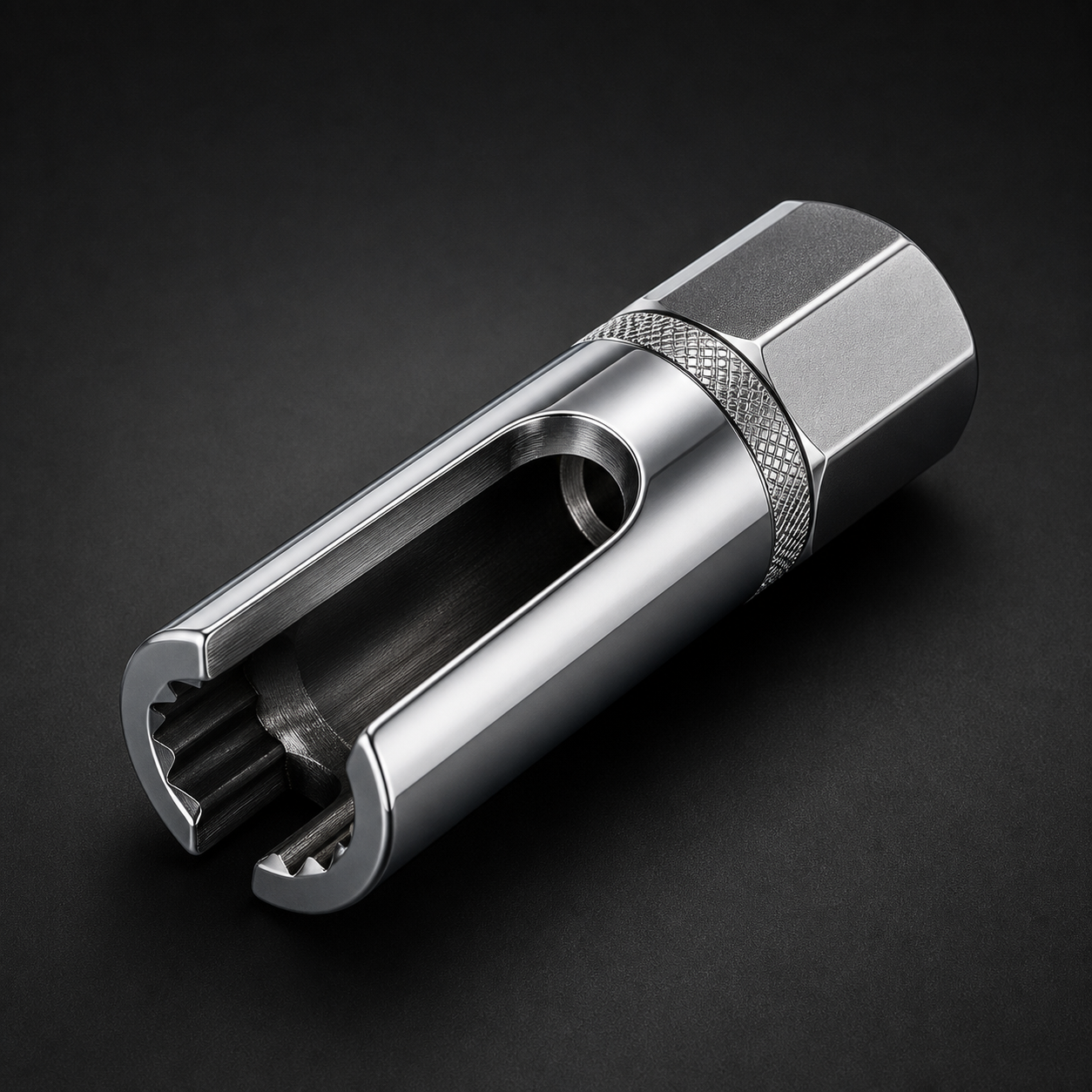
Universal · Torque wrench
Useful when reassembly torque matters for wheel, suspension, and under-hood fasteners.
Useful when wheel, hub, or suspension hardware needs correct reassembly torque.
View on Amazon
Universal · Drive-on ramps
Helpful for safer access underneath the vehicle during exhaust, EVAP, and underbody inspection work.
Helpful for safer access during underbody inspection work.
View on AmazonThese are optional diagnostic tools, not guaranteed fixes. As an Amazon Associate I earn from qualifying purchases.