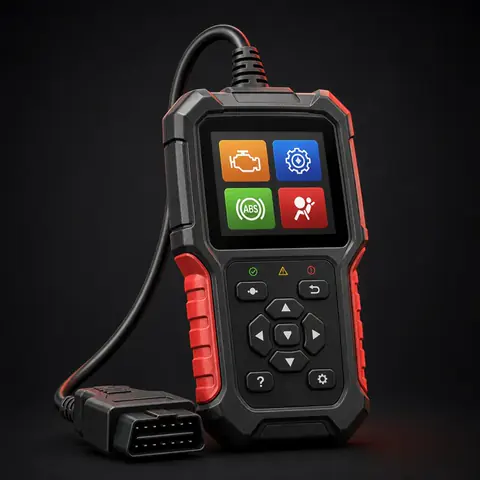
Pro · Four-system diagnostics
FOXWELL Multi-System Scanner
A handheld scanner aimed at engine, transmission, ABS, and airbag diagnostic work.
Chassis and ABS faults usually need a scanner that can read brake-system data directly.
View on Amazon
Easy one-page printout for the garage or repair shop
This summary uses the existing diagnostic information shown in full below.
This code means there's a problem with a part in the car that helps the wheels move together when driving on slippery roads.
The C0097 code indicates an issue with the actuator that controls the rear differential in a 4WD or AWD vehicle.
The rear differential unit actuator is responsible for engaging and disengaging the rear differential in four-wheel or all-wheel drive systems. This code suggests a malfunction with the actuator labeled 'B', which could involve electrical or mechanical issues.
• Warning light on the dashboard
• Difficulty in engaging 4WD/AWD
• Unusual noises from the rear of the vehicle
• Faulty rear differential actuator
• Wiring issues or poor connections
• Failed control module
Actuator: A device that causes a machine or other device to operate.
Differential: A set of gears allowing wheels to rotate at different speeds.
• Check for any related trouble codes
• Inspect the wiring and connectors to the actuator
• Test the actuator operation
• Replace the faulty actuator
• Repair or replace damaged wiring
• Reprogram or replace the control module
• OBD-II scanner
• Multimeter
• Socket set
$200 - $600
Moderate
• Toyota RAV4
• Subaru Outback
• Ford Explorer
• Regularly inspect the differential and actuator
• Ensure proper lubrication of differential components
• Avoid excessive off-road driving without proper maintenance
Actuator/Sensor Issue
• If the warning light comes on, have the vehicle checked promptly.
• Avoid driving in challenging conditions until the issue is resolved.
Check vehicle warranty for coverage on drivetrain components.
This code has been more prevalent in vehicles with high mileage or those frequently used in off-road conditions.
Moderate – It should be addressed soon to avoid potential drivetrain damage.
Ignoring this issue could lead to loss of vehicle control in slippery conditions.
• Vehicle on a lift
• Engine running
The rear differential actuator is located at the rear axle, near the differential housing.
Q: Can I drive with this code?
A: It's possible, but not recommended, especially in slippery conditions.
Q: Will this issue affect fuel efficiency?
A: It might, as the drivetrain may not operate optimally.
Pro · Four-system diagnostics
A handheld scanner aimed at engine, transmission, ABS, and airbag diagnostic work.
Chassis and ABS faults usually need a scanner that can read brake-system data directly.
View on Amazon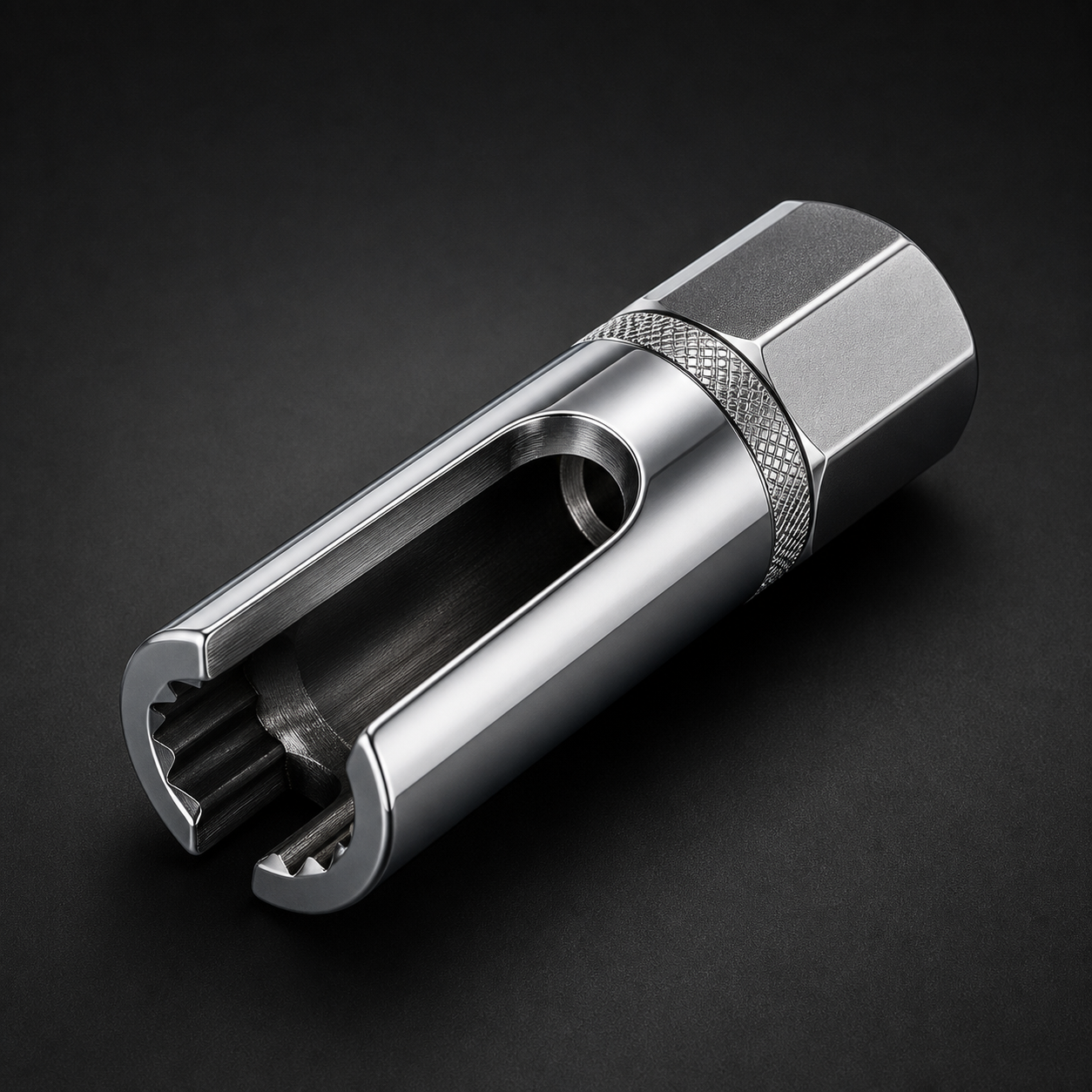
Universal · Torque wrench
Useful when reassembly torque matters for wheel, suspension, and under-hood fasteners.
Useful when wheel, hub, or suspension hardware needs correct reassembly torque.
View on Amazon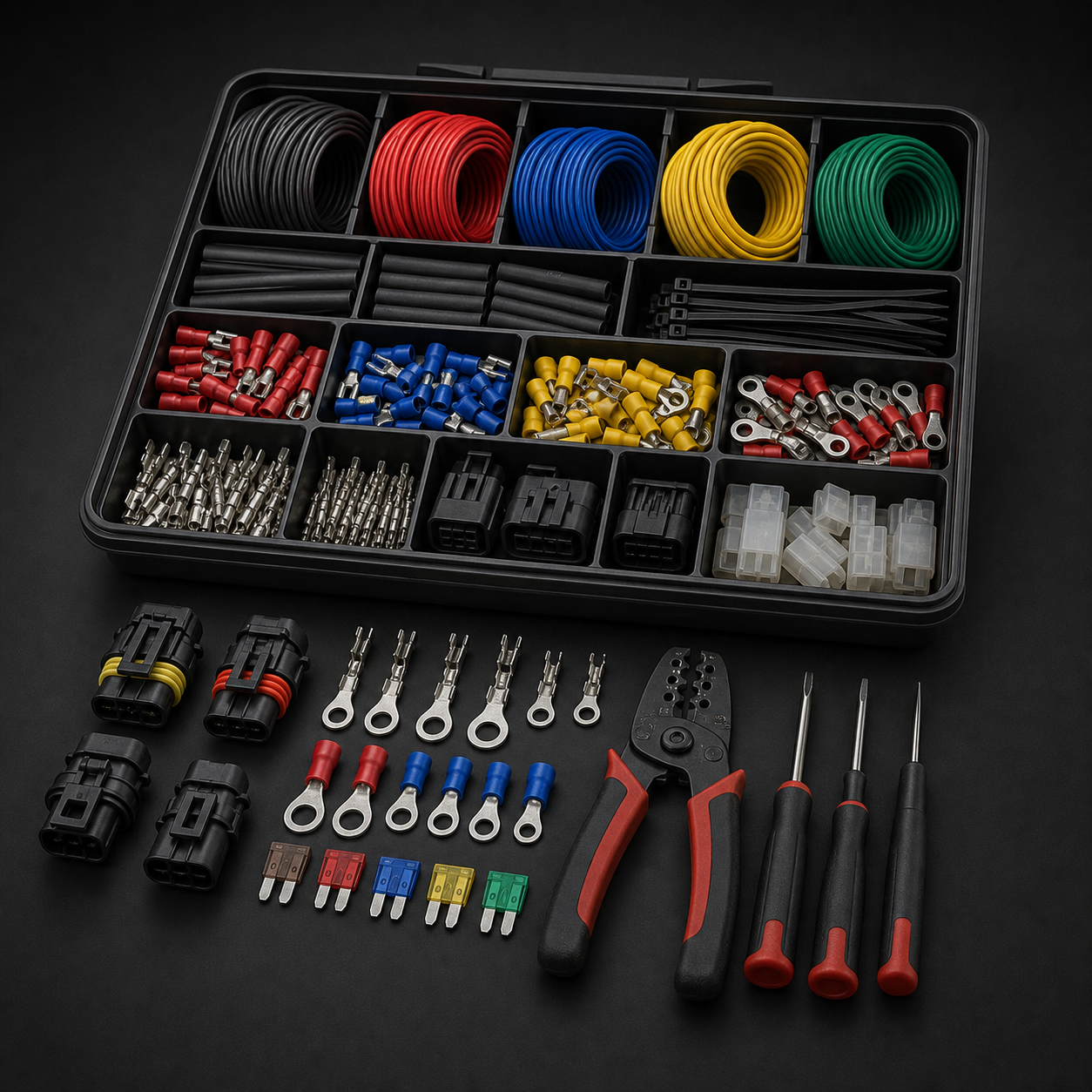
Universal · Drive-on ramps
Helpful for safer access underneath the vehicle during exhaust, EVAP, and underbody inspection work.
Helpful for safer access during underbody inspection work.
View on AmazonThese are optional diagnostic tools, not guaranteed fixes. As an Amazon Associate I earn from qualifying purchases.