• Inaccurate temperature readings
• HVAC system not functioning properly
• Air conditioning or heating not working as expected
• Faulty ambient air temperature sensor
• Damaged wiring or connectors
• Faulty HVAC control module
HVAC: Heating, Ventilation, and Air Conditioning
OBD-II: On-Board Diagnostics, Second Generation
• B0131
• B0133
This code means there's a problem with a sensor in your car that helps control the air conditioning or heating system.
B0132 is a diagnostic trouble code related to a malfunction in the HVAC (Heating, Ventilation, and Air Conditioning) system sensor.
The B0132 code indicates an issue with the HVAC ambient air temperature sensor circuit, which may be due to a fault in the sensor itself or its wiring.
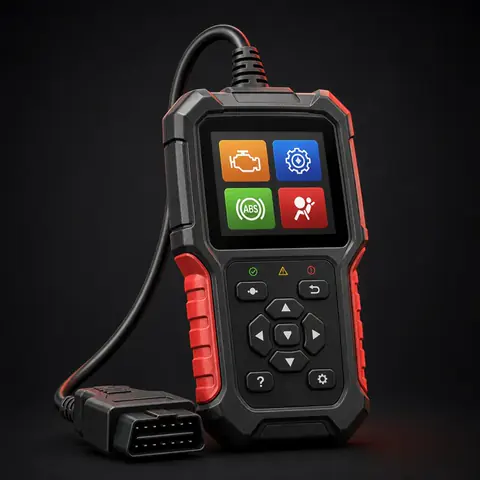
• Use an OBD-II scanner to confirm the code.
• Inspect the ambient air temperature sensor for damage.
• Check the wiring and connectors for any signs of wear or damage.
• Replace the ambient air temperature sensor if faulty.
• Repair or replace damaged wiring or connectors.
• Reset the HVAC control module if necessary.
• OBD-II scanner
• Multimeter
• Screwdriver set
$100 - $300
Moderate
• Chevrolet Silverado
• GMC Sierra
• Cadillac Escalade
• Regularly inspect HVAC sensors and wiring.
• Keep the vehicle's interior clean to prevent sensor damage.
• Schedule routine maintenance checks.
Sensor Issue
• Have the HVAC system checked by a professional.
• Avoid using the HVAC system until repaired to prevent further damage.
Check with your vehicle's manufacturer for specific warranty coverage related to HVAC components.
B0132 has been a common code in vehicles with complex HVAC systems, particularly in models with automatic climate control.
Moderate – It affects comfort but not immediate vehicle operation.
Ensure all repairs are performed by a qualified technician to maintain vehicle safety and compliance.
• Vehicle must be in a safe, stationary position.
• Engine should be running to test HVAC functionality.
The ambient air temperature sensor is typically located near the front of the vehicle, often behind the grille.
Q: What happens if I ignore this code?
A: Ignoring this code can lead to discomfort due to improper HVAC operation and potential further damage to the system.
Q: Can I fix this myself?
A: If you have experience with car repairs, you might be able to replace the sensor or repair wiring. Otherwise, it's best to consult a professional.